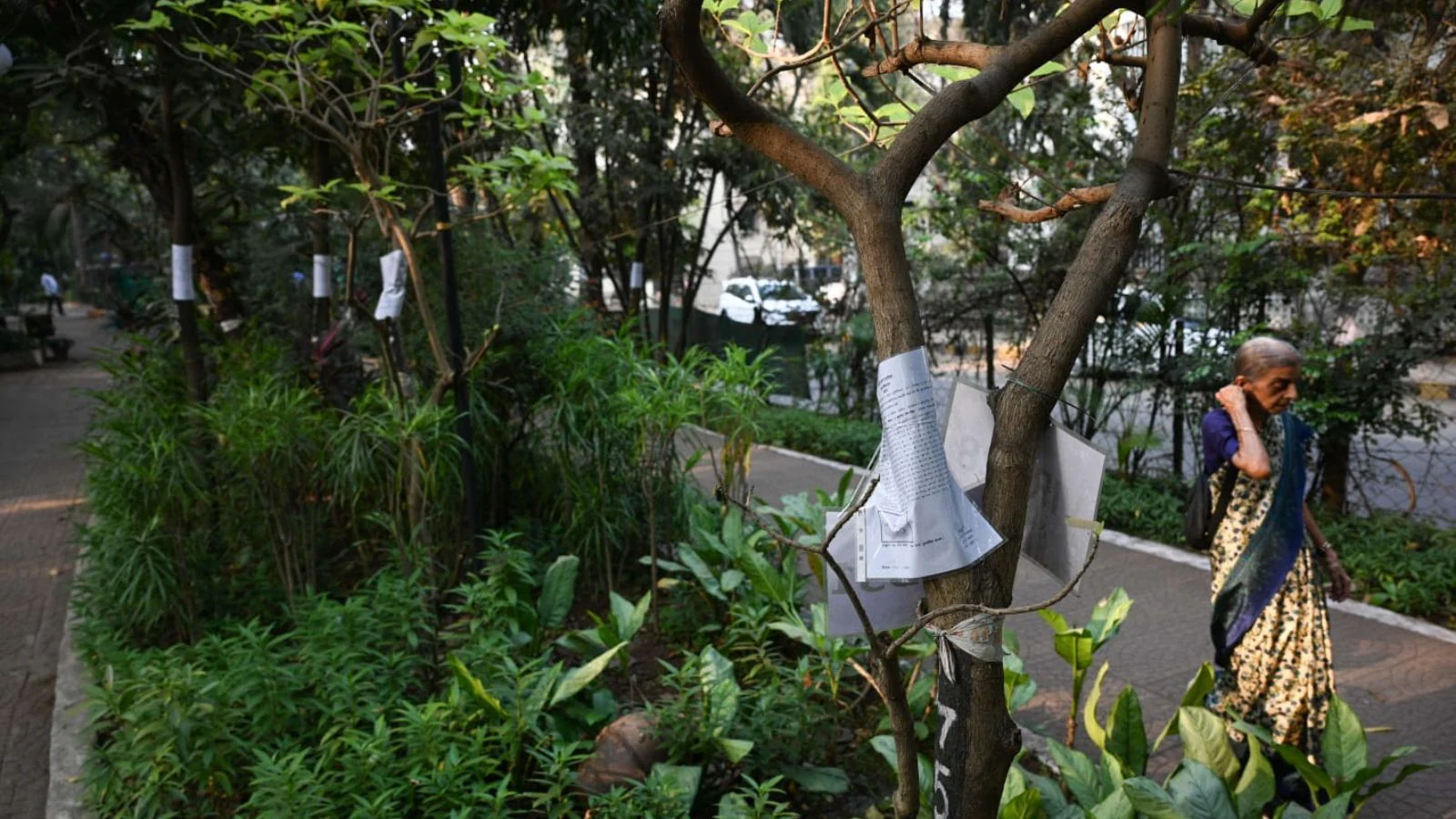
Mumbai’s large-scale tree pruning exercise ahead of the monsoon has triggered a wider debate on urban climate resilience, with experts questioning whether the initiative could unintentionally intensify heat stress in an already warming city. The civic authority has initiated trimming across tens of thousands of trees as a precautionary measure, but the timing has drawn concern amid rising temperatures and declining air quality.
Officials maintain that the pruning drive is essential to prevent tree falls during heavy rains and strong winds, which have historically resulted in casualties and infrastructure damage. Urban safety assessments have identified a significant number of trees requiring branch reduction or removal due to structural instability or decay. The exercise is expected to continue through May as part of routine pre-monsoon preparedness. However, environmental planners argue that the scale and execution of the Mumbai tree pruning drive could have unintended ecological and climatic consequences. Trees play a critical role in regulating microclimates, especially in dense urban environments where concrete surfaces amplify heat retention. Reducing canopy cover during peak summer weeks may expose streets and buildings to direct solar radiation, increasing surface temperatures and worsening the urban heat island effect.
The concerns come at a time when Mumbai has already experienced multiple heat alerts this season. Climate experts note that urban greenery is a key buffer against extreme weather, helping lower ambient temperatures, improve air circulation, and filter pollutants. A reduction in canopy density, even temporarily, may weaken these natural cooling mechanisms, particularly in high-density neighbourhoods with limited open space. Air quality trends have also come under scrutiny. Recent fluctuations in pollution levels have been linked to weather patterns and reduced wind movement, both of which are influenced by urban vegetation. A healthy tree cover can support air quality improvement by facilitating dispersion and absorption of pollutants. The Mumbai tree pruning drive, if not scientifically calibrated, could affect these processes at a time when environmental conditions are already under strain.
Urban ecologists further highlight the ecological impact beyond temperature and air quality. Tree canopies provide essential habitats for birds and other urban biodiversity. Large-scale pruning during sensitive periods may disrupt nesting cycles and reduce ecological stability in the city’s green pockets. Civic officials indicate that only necessary pruning is being undertaken and that hazardous trees are being prioritised for removal. Yet, the situation has underscored the need for a more data-driven approach to urban forestry management. Experts recommend integrating climate modelling, biodiversity assessments, and seasonal planning into such exercises to balance safety with environmental sustainability.
As Mumbai navigates increasing climate variability, the challenge lies in aligning infrastructure maintenance with long-term ecological resilience. The ongoing Mumbai tree pruning drive reflects the complex trade-offs cities face, where immediate safety concerns must be carefully weighed against the broader need to preserve urban green cover and ensure liveable conditions for residents.
BMC Tree Trimming Drive Sparks Heatwave Concerns In Mumbai