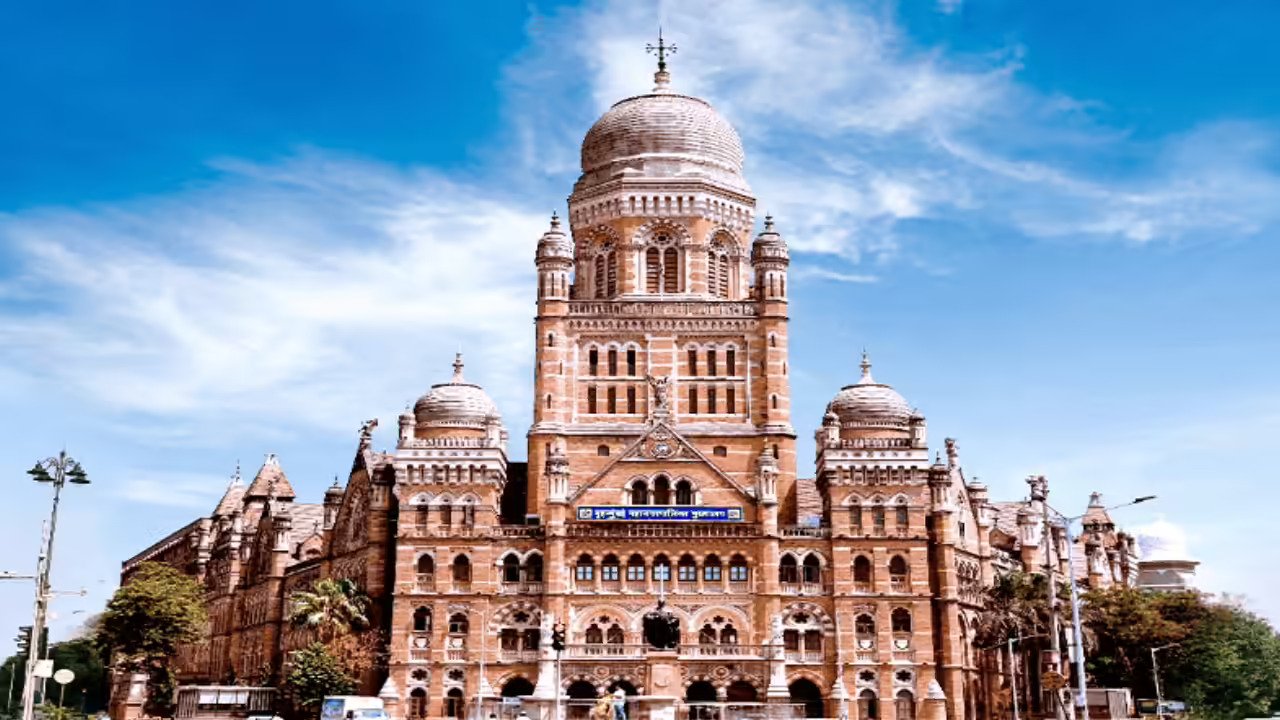
Mumbai is set to operationalise a unified digital marketplace for transferable development rights, marking a significant shift in how land-based compensation and real estate transactions are managed across the city. The new system, scheduled for rollout this week, aims to digitise the issuance, trading, and utilisation of development rights, a mechanism widely used to support infrastructure expansion without direct cash payouts.
Under the framework, landowners affected by public projects such as road widening or open space creation are compensated through development rights instead of monetary payments. These rights, typically issued as certificates, can be utilised on other parcels or sold in the market. The introduction of a Mumbai digital TDR platform is expected to bring structure and visibility to what has historically been a fragmented and opaque process. Urban development officials indicate that participation in the digital system will be mandatory for both buyers and sellers, ensuring that all transactions are recorded within a single, traceable ecosystem. The platform is designed to facilitate listing, bidding, and settlement of development rights through a standardised process, reducing reliance on intermediaries and informal negotiations.
The move carries implications for the wider real estate market, particularly in a city where land scarcity drives high demand for additional floor space index (FSI). By enabling more efficient trading of development rights, the Mumbai digital TDR platform could improve liquidity and price discovery, allowing smaller developers to participate more competitively alongside larger firms. From a governance perspective, the initiative signals a broader shift towards digitisation in urban land management. Industry experts note that digitised registries and transaction systems can significantly reduce disputes, delays, and instances of fraud. Features such as identity verification, secure banking integration, and tamper-resistant records are expected to strengthen trust in the system while improving compliance.
Urban planners also highlight the environmental dimension of the reform. Development rights play a critical role in shaping how density is distributed across the city. A transparent and efficient trading mechanism can help direct growth towards planned zones, supporting transit-oriented development and reducing pressure on ecologically sensitive areas. In the long term, this aligns with the goals of creating more compact, low-emission urban environments. However, the success of the platform will depend on its adoption and operational reliability. Stakeholders emphasise the need for robust digital infrastructure, user awareness, and regulatory clarity to ensure that the transition does not disrupt ongoing projects. Questions around pricing benchmarks and market stability are also likely to emerge as the system matures.
As Mumbai continues to balance rapid urbanisation with the need for sustainable and inclusive growth, the launch of a Mumbai digital TDR platform represents a critical step towards modernising land economics. Its performance in the coming months will determine whether it can deliver on its promise of transparency, efficiency, and equitable access within one of India’s most complex property markets.
BMC To Roll Out Digital TDR Platform In Mumbai