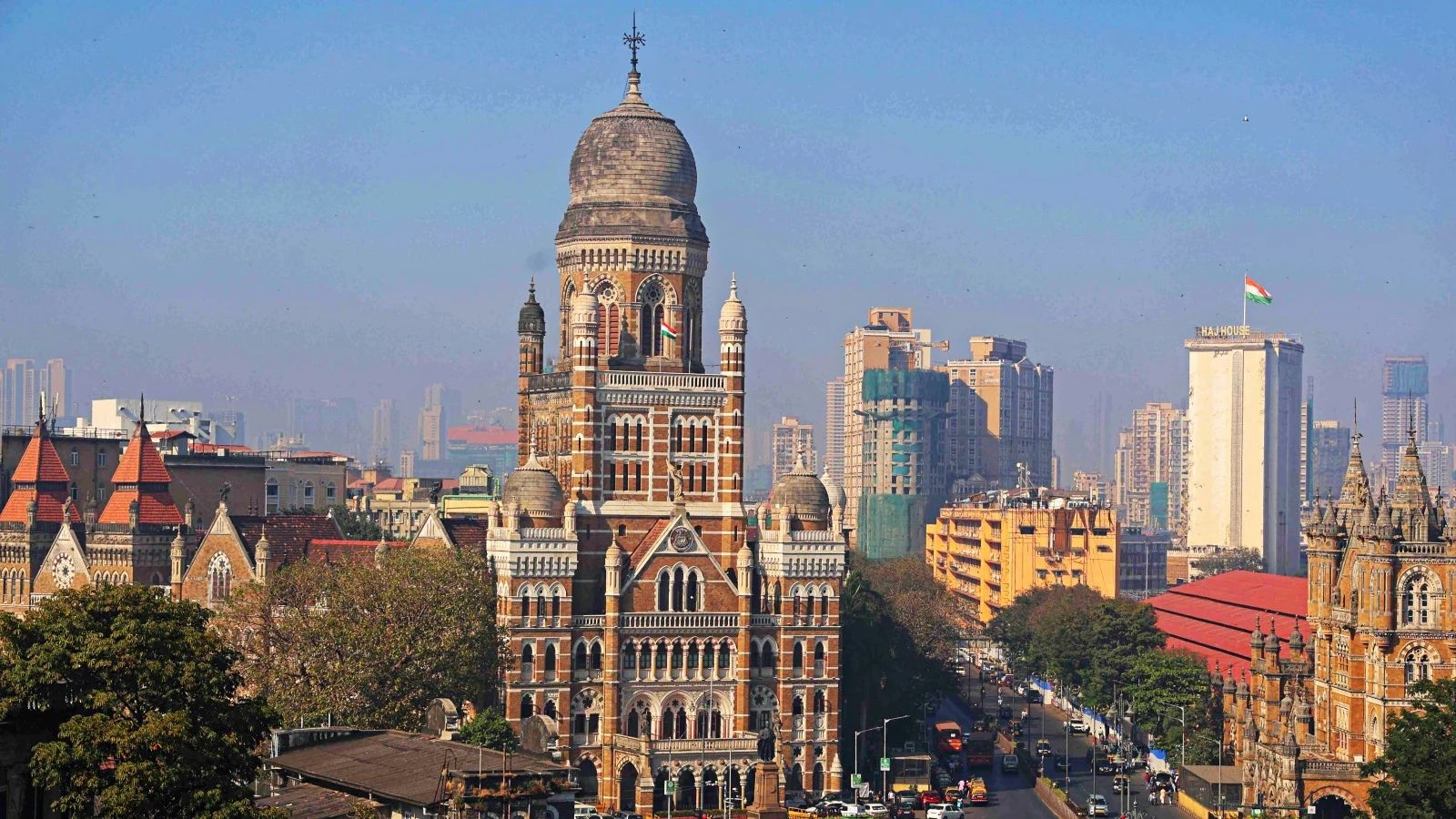
Mumbai’s civic administration is preparing to raise parking fees across its public pay-and-park network, a move that could reshape commuting costs and urban mobility patterns in India’s financial capital as vehicle ownership continues to outpace available road and parking infrastructure. The Brihanmumbai Municipal Corporation (BMC) has proposed a steep increase in parking tariffs at municipal parking facilities across the city, with revisions expected to affect both on-street and off-street parking zones. The proposal, currently awaiting final administrative approvals, marks the first major revision in civic parking rates in nearly five years.
The move comes as Mumbai faces mounting pressure from rapid motorisation, shrinking road capacity and increasing congestion in commercial and residential districts. According to transport data reviewed by Urban Acres Today, vehicle registrations across Mumbai’s metropolitan limits have crossed 5 million, intensifying competition for limited parking spaces and contributing to slower traffic movement in key corridors. Urban mobility experts say the proposed Mumbai parking fee revision reflects a broader shift in how Indian cities are beginning to treat parking not as a public entitlement but as a managed urban resource. In dense global cities, higher parking charges are often used to discourage excessive private vehicle use while encouraging public transport and shared mobility systems. However, the proposal is also expected to raise concerns among residents and small business owners already grappling with high commuting and operating costs. Several commercial areas in South and Central Mumbai continue to experience severe parking shortages, forcing motorists onto informal or illegal parking spaces that further narrow carriageways and reduce pedestrian safety. Current civic parking facilities collectively accommodate only a fraction of the city’s registered vehicles. Municipal records indicate that roughly 100 BMC-operated parking sites serve an urban population with rapidly growing car ownership levels, highlighting a widening infrastructure deficit in one of the country’s most densely built cities.
The proposed pricing revision varies across categories based on demand intensity and land use patterns. Commercial zones with high vehicle turnover are likely to witness the sharpest increases, while residential areas may see comparatively moderate revisions. Urban planners note that differential pricing can help manage parking demand more efficiently, though its success depends heavily on enforcement and availability of alternative mobility options. Alongside the tariff revision, the civic body is also advancing plans for a digitally integrated parking management system. Officials involved in the project said the proposed platform would allow motorists to check real-time parking availability through a mobile-based interface, reducing unnecessary vehicle circulation caused by drivers searching for parking spaces. Transport policy analysts argue that smarter parking systems could support climate-sensitive urban planning by reducing idle traffic emissions and easing congestion hotspots. Yet they caution that pricing reforms alone cannot resolve Mumbai’s mobility challenges without parallel investment in footpaths, public transport integration and last-mile connectivity.
The proposal is expected to undergo further civic scrutiny before implementation. As Mumbai continues to densify vertically and expand economically, the debate around parking is increasingly becoming a larger conversation about how limited urban land should be allocated between private vehicles, public movement and liveable city infrastructure.