


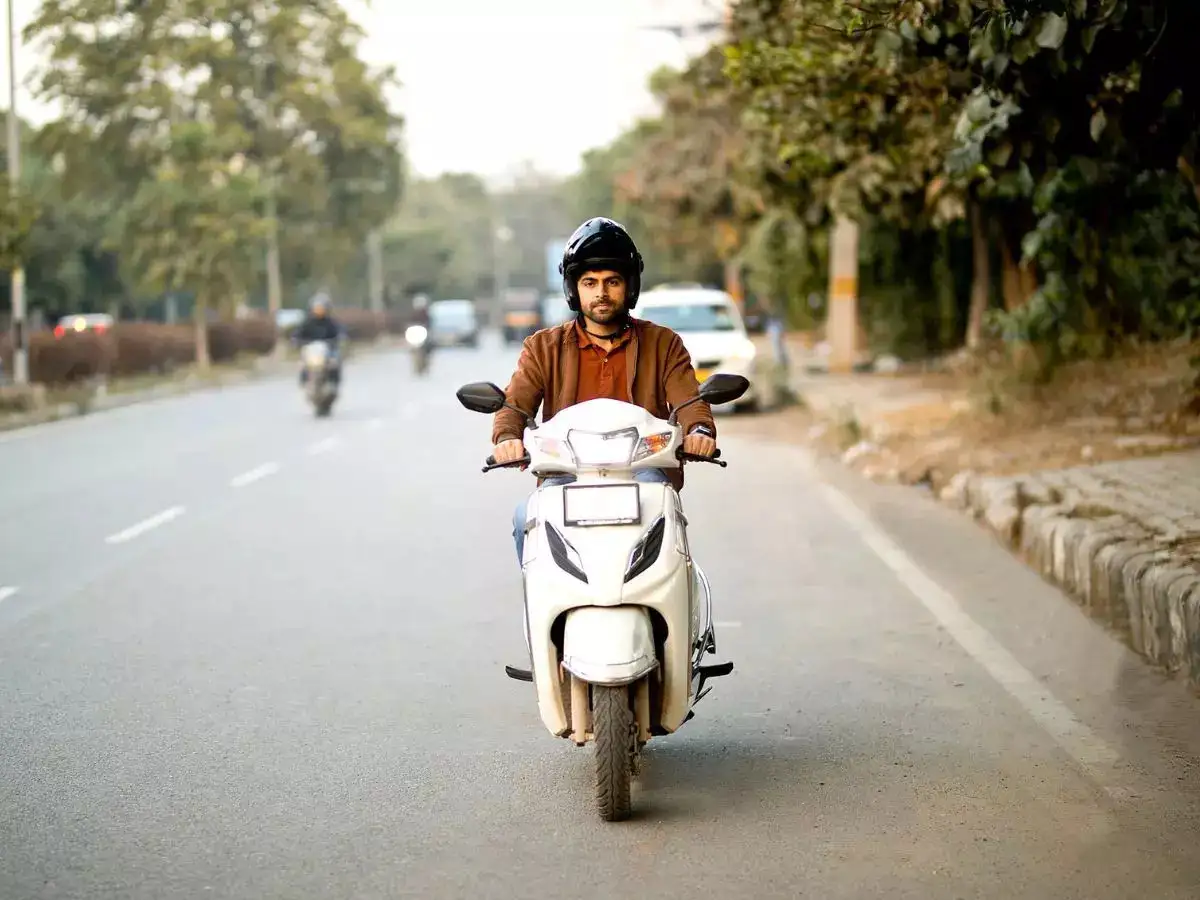
Bengaluru is projected to see its two-wheeler population approach the one-crore mark within the next three years, signalling a sharp rise in private vehicle dependence and intensifying pressure on the city’s already strained mobility systems. The trend reflects shifting commuter behaviour in a rapidly expanding urban environment where public transport capacity struggles to keep pace with demand.
Transport officials and analysts indicate that the growth in two-wheelers is being driven by affordability, convenience, and gaps in last-mile connectivity. For many residents, especially in peripheral areas, personal vehicles remain the most reliable option for navigating long commutes and inconsistent public transport links. However, this surge is adding to congestion, road safety risks, and environmental stress.The projected increase in registrations highlights deeper structural challenges in Bengaluru’s urban planning. Despite investments in metro rail and bus networks, integration across transport modes remains uneven, limiting the effectiveness of mass transit systems. Urban mobility experts note that without seamless connectivity and improved service frequency, commuters are likely to continue favouring individual vehicles.The environmental implications are significant. A growing fleet of two-wheelers contributes to higher emissions and deteriorating air quality, particularly in traffic-heavy corridors. While newer vehicles may be more fuel-efficient, the sheer volume of traffic offsets potential gains.
Experts argue that addressing this requires a shift towards low-carbon mobility solutions, including electrification and stronger incentives for public transport use.From an infrastructure standpoint, the expansion of vehicle numbers is placing additional strain on road networks that are already operating beyond capacity.Limited road space, combined with ongoing construction and maintenance work, has led to longer travel times and increased fuel consumption. Planners warn that simply expanding road infrastructure is unlikely to provide a sustainable solution, as induced demand often leads to further congestion.The economic dimension is equally complex.While the automotive sector benefits from rising sales, the broader urban economy bears the cost of lost productivity due to traffic delays and increased fuel expenditure.Additionally, the financial burden of vehicle ownership can be significant for households, particularly when considered alongside maintenance and fuel costs.Experts emphasise that reversing this trajectory will require a comprehensive approach to mobility planning. Strengthening public transport, improving last-mile connectivity, and creating safe infrastructure for walking and cycling are seen as critical steps.
Policies that discourage excessive private vehicle use, such as congestion pricing or parking regulations, may also play a role.As Bengaluru edges closer to a milestone in vehicle ownership, the challenge will be to balance mobility needs with sustainability goals. The city’s response in the coming years will be crucial in determining whether growth in transport infrastructure can keep pace with demand while ensuring a more equitable and environmentally responsible urban future.
Also Read:Bengaluru Silk Exhibition Revives Heritage Railway Space
