


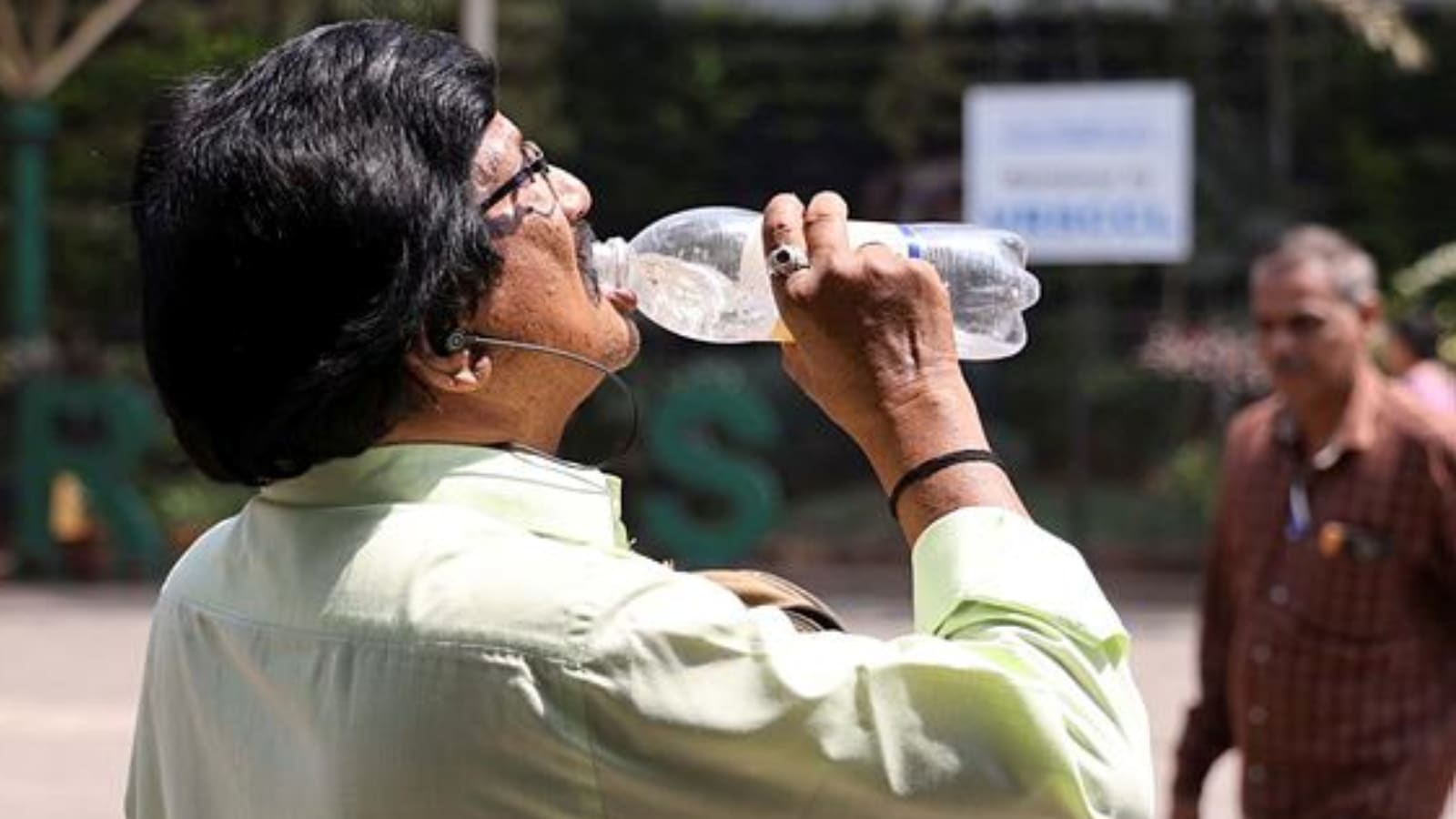
Bengaluru is witnessing a noticeable spike in temperatures, with recent readings climbing around 3°C above seasonal averages, signalling intensifying heat stress in a city once known for its moderate climate. The shift reflects broader climate variability patterns increasingly affecting urban centres across India.
Meteorological trends suggest that reduced cloud cover, changing wind patterns, and prolonged dry conditions are contributing to the current heat build-up. While such deviations were once occasional, experts note that warmer-than-normal days are becoming more frequent, raising concerns about long-term climate resilience in fast-growing cities.For residents, the immediate effects are tangible. Higher temperatures are driving up electricity consumption as households and businesses rely more heavily on cooling systems. This surge in demand places additional pressure on energy infrastructure, particularly during peak hours. Urban health specialists also warn of increased risks of heat-related illnesses, especially among outdoor workers, the elderly, and those living in densely built areas with limited ventilation.The Bengaluru heat surge is also closely linked to changes in land use and urban design. Rapid construction, loss of green cover, and the expansion of paved surfaces have intensified the urban heat island effect, where cities retain more heat than surrounding regions.
Planners point out that without adequate tree cover and open spaces, heat absorption and retention continue to rise, amplifying temperature extremes.Environmental implications extend beyond immediate discomfort. Prolonged heat can strain water resources, accelerate evaporation from reservoirs, and increase demand for already limited supplies—compounding challenges in a city that has recently faced water shortages. The intersection of heat and water stress highlights the interconnected nature of urban climate risks.From an economic perspective, elevated temperatures can disrupt productivity, particularly in sectors reliant on outdoor labour such as construction and logistics.Adjustments in work schedules and reduced efficiency during peak heat hours can have cascading effects on project timelines and costs.Experts emphasise that mitigating the impact of rising temperatures requires a combination of short-term and long-term strategies.Expanding urban green cover, promoting heat-reflective building materials, and integrating climate-sensitive design into infrastructure planning are seen as critical interventions.Strengthening early warning systems and public awareness campaigns can also help communities better prepare for heat events.
As Bengaluru continues to record above-normal temperatures, the situation underscores a broader reality for Indian cities: climate adaptation is no longer optional.Building resilience against heat stress will be essential to ensure that urban growth remains sustainable, liveable, and inclusive in the face of changing environmental conditions.
Also Read:Bengaluru Two Wheeler Growth Strains Urban Mobility
