


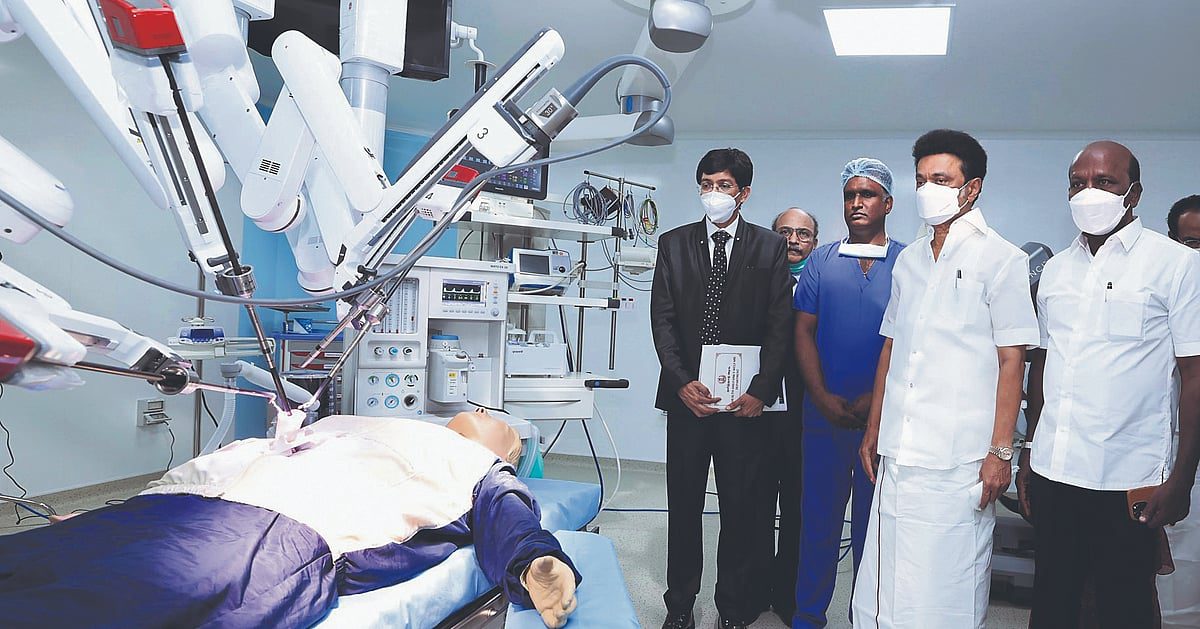
A major healthcare expansion linked to Chennai is set to extend advanced medical services to Sri City, marking a significant step in strengthening regional health infrastructure across the Tamil Nadu–Andhra Pradesh corridor. The move reflects a growing trend of metropolitan healthcare networks expanding beyond city limits to serve emerging industrial and residential clusters.
The development is expected to improve access to specialised treatments, diagnostics, and emergency care for populations living and working in and around Sri City. As the area continues to evolve as an industrial hub, demand for high-quality healthcare has risen, particularly among a workforce that often relies on distant urban centres like Chennai for advanced medical needs.Urban development experts note that such expansions help decentralise healthcare access, reducing pressure on hospitals within Chennai while improving response times in peripheral regions. By bringing advanced facilities closer to growing economic zones, cities can support more balanced regional development and reduce inequalities in service availability.The initiative also carries implications for urban planning and infrastructure integration.Improved healthcare access can influence residential patterns, encouraging more people to live and work in satellite regions rather than commuting long distances. This, in turn, can ease congestion in core urban areas while supporting the growth of secondary economic clusters.
From an economic perspective, the expansion is likely to generate employment across medical, administrative, and support services.It may also stimulate related sectors such as pharmaceuticals, diagnostics, and medical equipment supply, contributing to a broader healthcare ecosystem in the region.However, experts caution that the benefits of such developments depend on affordability and accessibility. Advanced healthcare services must remain within reach of diverse socio-economic groups to ensure equitable outcomes. Additionally, integration with public health systems and insurance frameworks will be critical to maximise impact.There are also sustainability considerations. As healthcare infrastructure expands, energy use, waste management, and resource consumption must be carefully managed.Incorporating green building practices, efficient energy systems, and responsible biomedical waste handling can align such projects with broader climate and environmental goals.For Chennai, the expansion reinforces its role as a healthcare hub with regional influence. By extending services into neighbouring growth centres, the city’s medical ecosystem is evolving into a more distributed network, capable of supporting both urban and peri-urban populations.
As industrial corridors like Sri City continue to develop, the alignment of healthcare infrastructure with economic growth will be crucial. The success of such initiatives will depend on how effectively they balance quality, accessibility, and sustainability in meeting the needs of a rapidly changing urban landscape.
Also Read:Chennai Bus Deployment For Polls Impacts Daily Commute
