


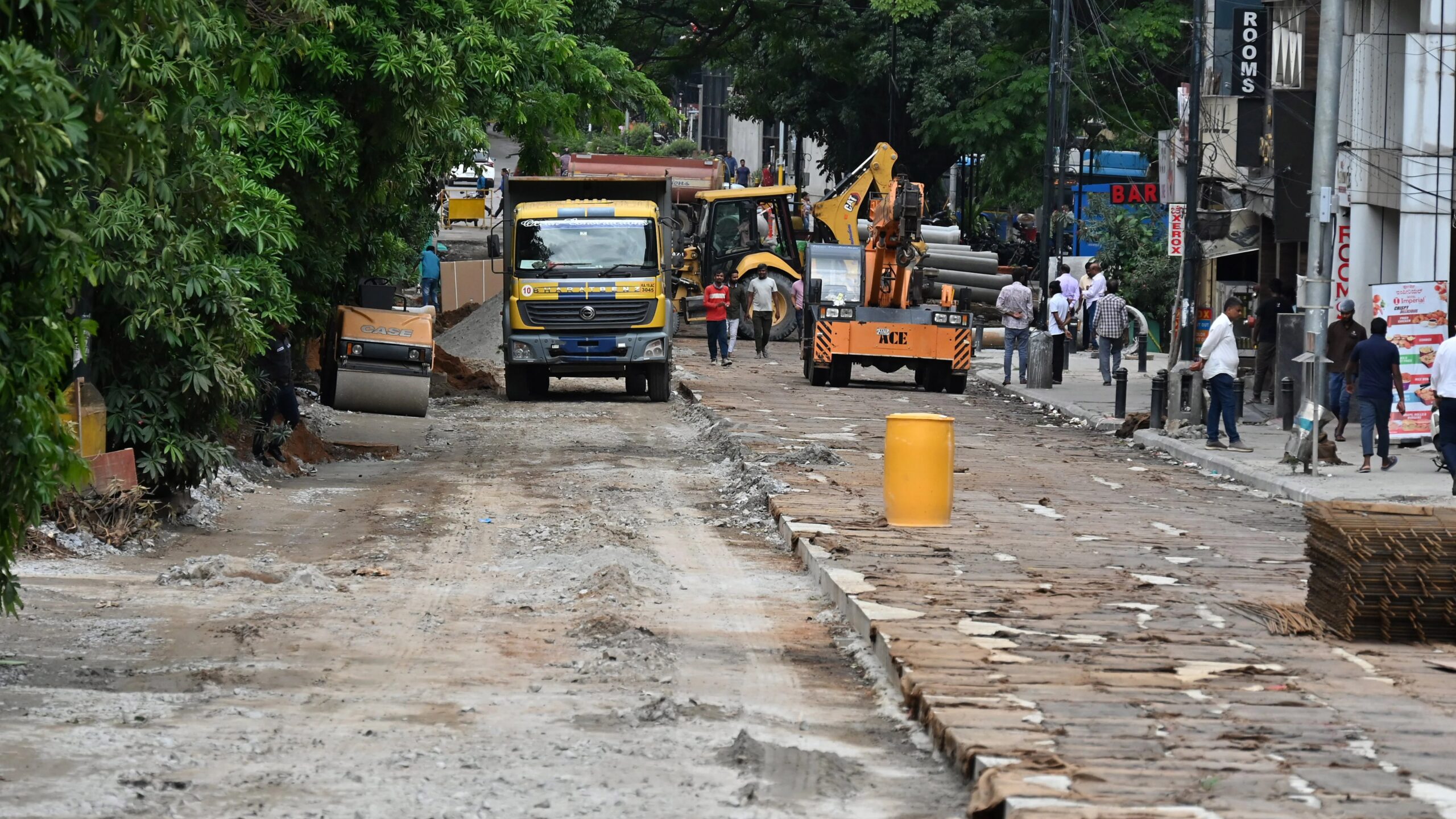
Delayed repair work along a key stretch of Bannerghatta Road in Bengaluru is raising concerns about the city’s ability to maintain critical transport infrastructure, as commuters continue to face disruptions on one of its busiest corridors. The situation underscores broader challenges in managing road quality amid rapid urban growth and rising traffic volumes.
Residents and daily commuters report uneven surfaces, incomplete restoration, and traffic bottlenecks that have persisted for months. The corridor, which connects residential areas with commercial and institutional hubs, plays a vital role in the city’s mobility network.Prolonged delays in repair work have led to increased travel times and safety concerns, particularly during peak hours.Urban planners note that the Bengaluru road repair delays highlight systemic issues in project execution and coordination among civic agencies. Road restoration often follows utility works such as pipeline or cable installations, but lack of synchronisation can result in repeated digging and patchwork repairs, reducing overall road quality. The impact extends beyond inconvenience. Poorly maintained roads contribute to higher vehicle wear and tear, increased fuel consumption, and elevated emissions due to stop-and-go traffic conditions. In a city already grappling with congestion and air quality concerns, such inefficiencies add to environmental and economic costs.The Bengaluru road repair delays also raise questions about accountability and maintenance standards.Experts emphasise the need for clear timelines, quality benchmarks, and monitoring mechanisms to ensure that infrastructure projects are completed efficiently.
Without these, temporary disruptions risk becoming long-term challenges.From a safety perspective, damaged road surfaces can increase the likelihood of accidents, particularly for two-wheeler riders and pedestrians. Inadequate signage and poor lighting around repair zones further compound risks, making it essential for authorities to prioritise both execution and communication.There are broader implications for urban planning as well. As Bengaluru continues to expand, maintaining existing infrastructure is as critical as building new assets. Experts argue that cities must adopt lifecycle-based planning approaches, where maintenance is integrated into long-term budgets and strategies rather than treated as an afterthought.The situation also affects economic productivity. Delays in commuting can impact workforce efficiency and logistics movement, particularly in areas with high commercial activity. Reliable road infrastructure is a key factor in sustaining urban economic performance.Civic officials have indicated that repair work is ongoing, but experts suggest that a more coordinated and transparent approach is needed to restore public confidence.Leveraging technology for project tracking and engaging with local communities could help improve outcomes.
As Bengaluru navigates the pressures of rapid urbanisation, the ongoing issues on Bannerghatta Road serve as a reminder that infrastructure resilience depends not just on expansion, but on timely and effective maintenance. Addressing these gaps will be crucial to ensuring smoother, safer, and more sustainable mobility across the city.
Also Read:Bengaluru Water Charges Impact Raises Industrial Costs
Bengaluru road repair delays strain daily commuters
