


Bengaluru recorded another day of elevated temperatures, touching 36.6°C, signalling intensifying heat conditions in a city traditionally known for its moderate climate. The spike underscores a broader shift in urban climate patterns and raises concerns about how well the city is prepared to manage rising heat stress.
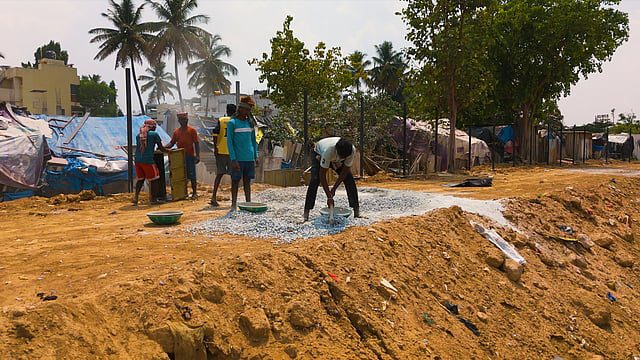
Meteorological trends suggest that such temperature surges are becoming more frequent, reflecting the combined effects of regional climate change and local urbanisation. As built-up areas expand and green cover diminishes, Bengaluru is increasingly experiencing the urban heat island effect, where concrete surfaces trap heat and push temperatures higher.The Bengaluru heatwave impact is being felt across multiple sectors. For residents, prolonged exposure to high temperatures can lead to health risks such as dehydration and heat exhaustion. Vulnerable populations, including outdoor workers and those in informal housing, are particularly at risk due to limited access to cooling and shaded spaces.From an infrastructure perspective, rising temperatures are driving increased demand for electricity, especially for cooling appliances. This places additional pressure on the city’s power systems and can lead to higher emissions if demand is met through conventional energy sources. Experts emphasise the need for energy-efficient cooling solutions and a greater shift toward renewable energy integration.
Urban planners note that the Bengaluru heatwave impact also exposes gaps in climate-responsive design. Limited tree cover, inadequate shading in public spaces, and heat-absorbing building materials contribute to rising ambient temperatures. Integrating green infrastructure—such as urban forests, parks, and water bodies—can help mitigate these effects.There are economic implications as well. Heat stress can reduce labour productivity, particularly in sectors that rely on outdoor work, and increase operational costs for businesses due to higher energy consumption. Over time, persistent temperature increases could influence real estate preferences, with demand shifting toward climate-resilient developments.Public health experts stress the importance of proactive measures, including heat action plans, awareness campaigns, and improved access to drinking water. Schools, construction sites, and transport hubs are among the areas where targeted interventions can reduce risk.The situation also highlights the need for integrated urban planning strategies that address both mitigation and adaptation. Measures such as reflective roofing, better ventilation standards, and expanded green cover can significantly lower urban temperatures while improving overall liveability.
As Bengaluru continues to grow, managing rising heat will be central to ensuring sustainable urban development. The recent temperature spike serves as a reminder that climate resilience must be embedded into infrastructure, policy, and everyday city design to safeguard both public health and economic stability.
Also Read:Bengaluru Road Repair Delays Disrupt Urban Mobility
