


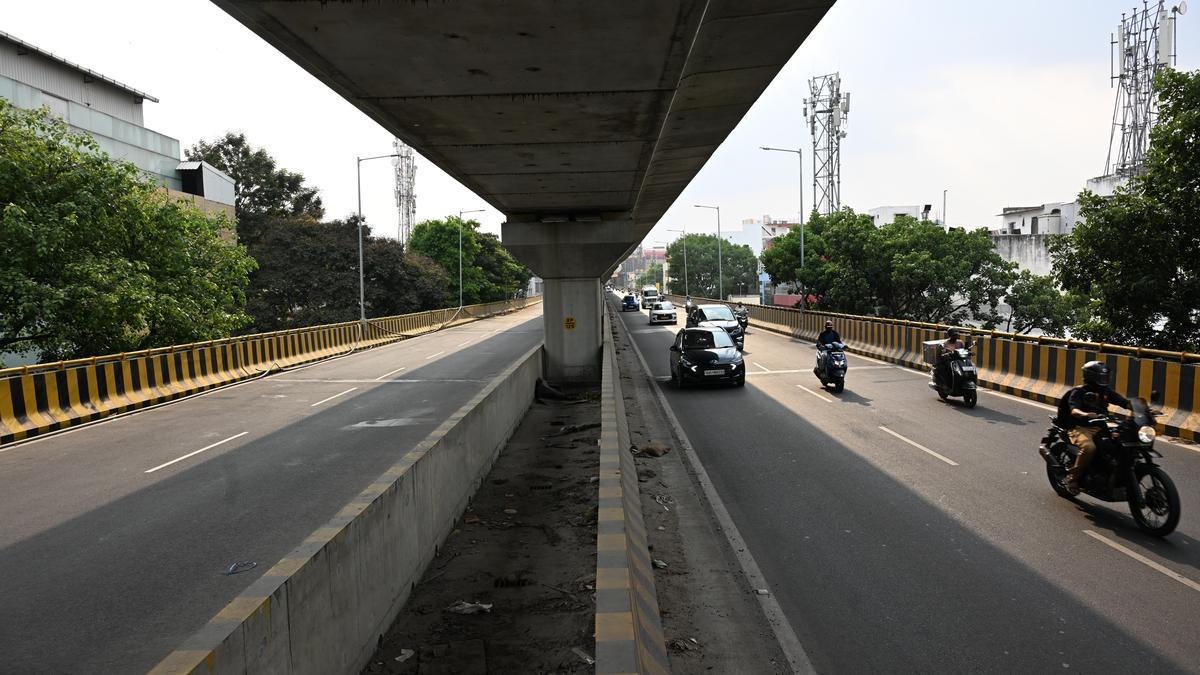
Bengaluru has opened its first fully operational double-decker flyover on a trial basis, marking a significant milestone in the city’s efforts to address chronic traffic congestion. The multi-level corridor, designed to separate different streams of traffic, is expected to improve travel efficiency along one of the city’s busiest routes.
The project integrates road infrastructure across two vertical levels, allowing for smoother vehicular movement while optimising limited urban space. Transport planners view such designs as an attempt to increase road capacity without extensive land acquisition, a persistent challenge in densely built cities like Bengaluru.The Bengaluru double decker flyover represents a shift toward more complex engineering solutions aimed at managing traffic demand. By segregating traffic flows, the structure is expected to reduce bottlenecks and travel time, particularly during peak hours. Initial trials will help authorities assess performance, safety, and user adaptability before full-scale operations.However, urban mobility experts caution that while flyovers can provide short-term relief, they may not offer a long-term solution to congestion if not complemented by broader transport strategies. Increased road capacity can sometimes encourage higher vehicle usage, a phenomenon known as induced demand, which may offset initial gains.From a sustainability perspective, the project raises important considerations. While smoother traffic flow can reduce idling and emissions in the short term, reliance on road-based solutions alone may not align with long-term climate goals.
Experts advocate for parallel investments in public transport, non-motorised mobility, and transit-oriented development.The Bengaluru double decker flyover also highlights the need for integrated urban planning. Infrastructure projects of this scale must be aligned with surrounding land use, pedestrian access, and last-mile connectivity.Without such integration, benefits may remain limited to specific corridors rather than improving overall city mobility.Economic implications are significant as well. Improved connectivity can enhance access to commercial zones, reduce logistics costs, and support business activity. However, the high capital investment required for such projects necessitates careful evaluation of cost-benefit outcomes.Safety and maintenance will be key factors during the trial phase. Multi-level structures require robust monitoring systems, clear signage, and regular upkeep to ensure long-term reliability. Public feedback during this period is expected to play a role in refining operations.Urban planners emphasise that while innovative infrastructure can address immediate challenges, sustainable mobility solutions require a balanced approach.Integrating road projects with efficient public transport systems and green mobility options will be essential for achieving long-term resilience.
As Bengaluru continues to experiment with new infrastructure models, the trial of its double-decker flyover offers insights into how cities can adapt to space constraints and rising mobility demand—while also highlighting the importance of aligning such projects with broader sustainability and urban planning goals.
Also Read:Bengaluru Heatwave Impact Raises Urban Climate Risks
