Bengaluru Parks Bill Set For Fresh Government Push
The Karnataka government is preparing to bring back legislation governing Bengaluru’s parks after facing resistance over an earlier version, putting the city’s public green spaces back at the centre of a debate over land use, access and civic governance. The proposed framework could influence how parks are managed, developed and protected as Bengaluru continues to add residents and built-up areas.
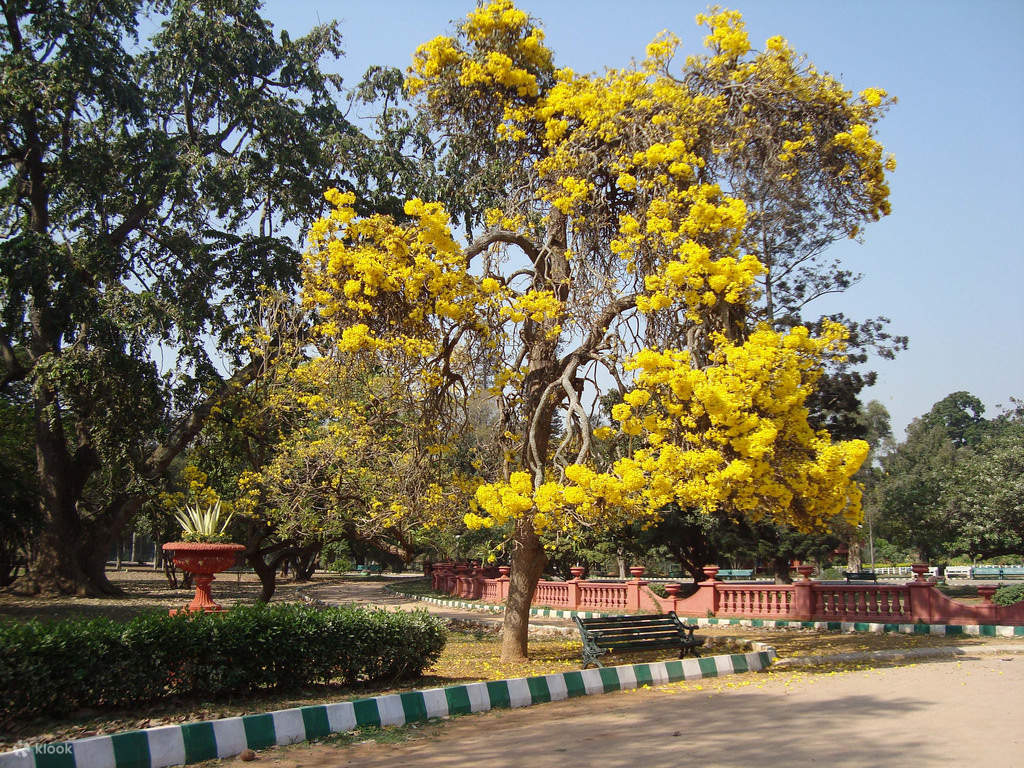
The move comes after concerns were raised over provisions in the earlier draft, particularly those that could affect the way parkland is used. The government’s decision to revisit the legislation indicates that it is seeking a framework that can withstand public and legal scrutiny while providing clearer rules for managing the city’s open spaces. Bengaluru’s parks serve a role that extends well beyond recreation. They provide shade, support urban biodiversity and offer relatively accessible outdoor spaces in neighbourhoods where private open areas are limited. Their vegetation can also help moderate local temperatures and reduce some of the environmental pressures associated with dense construction. The question of parkland has become more significant as Bengaluru parks governance intersects with the city’s broader development pressures. With land values rising and residential and commercial construction expanding, publicly owned open land faces competing demands. Clear statutory safeguards can help establish what constitutes permissible use while reducing uncertainty for residents and planning authorities.
The legislation also needs to address the practical side of park management. Bengaluru has thousands of public parks of different sizes and conditions, and maintaining them requires regular spending on landscaping, water, sanitation, lighting, accessibility and security. A sustainable framework would therefore need to balance protection of green areas with adequate resources for everyday maintenance. Urban planners also point to the importance of equitable access. Parks in established neighbourhoods can be significantly better maintained than green spaces in rapidly developing peripheral areas. Future Bengaluru parks governance will therefore have implications for how evenly environmental amenities are distributed across the metropolitan region. The renewed legislative effort provides an opportunity to clarify responsibilities among civic agencies and establish stronger safeguards against incompatible land use. It could also help integrate parks into wider planning for stormwater management, tree cover and neighbourhood-level climate resilience.
For residents, the key issue will be whether the revised legislation protects parks as genuinely public assets while allowing necessary maintenance and improvements. The government’s next draft will determine whether the legislation resolves earlier concerns or creates another round of uncertainty around Bengaluru’s increasingly valuable green infrastructure.