


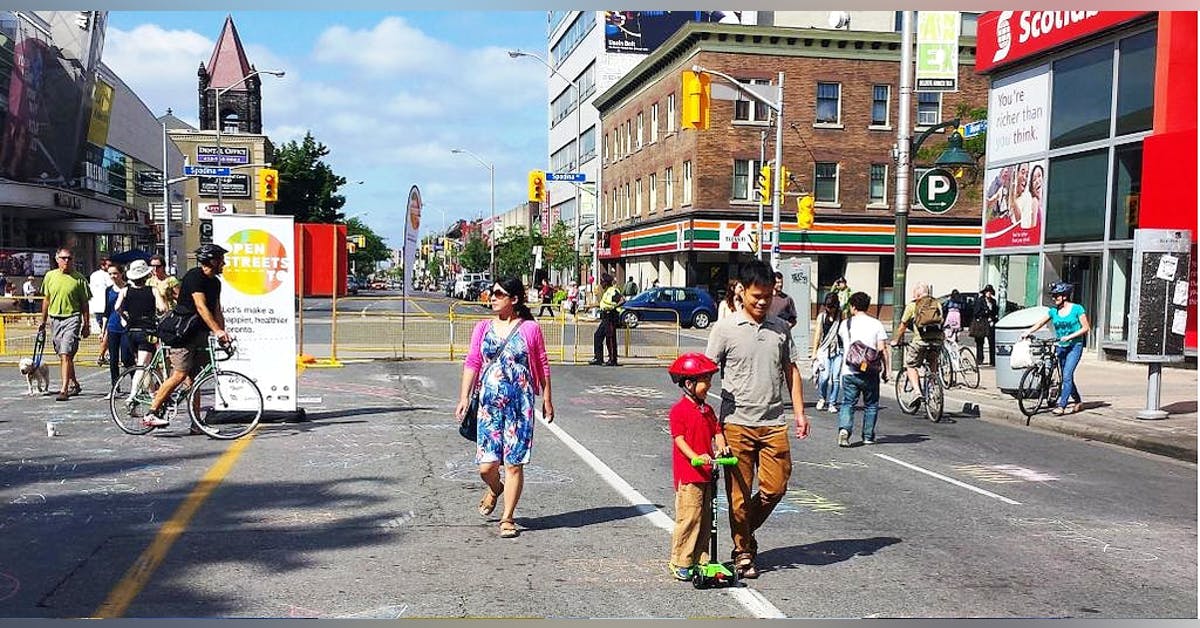
A popular community-led street activation programme in Bengaluru’s Nandini Layout is preparing for its final edition this weekend, bringing renewed attention to the growing role of public spaces in shaping healthier, more inclusive urban neighbourhoods.The recurring “open streets” initiative, which temporarily converts selected roads into pedestrian-friendly community zones, has become a significant social and cultural fixture in parts of Bengaluru.
Residents have used the car-free environment for cycling, fitness activities, cultural performances and neighbourhood interaction — offering a rare glimpse into how streets can function beyond vehicle movement.Urban planners say such programmes are increasingly important in rapidly densifying cities where public recreational spaces remain unevenly distributed. Bengaluru, despite its economic growth and expanding infrastructure network, continues to face shortages of accessible community spaces, particularly within older residential layouts and high-density mixed-use districts.The Bengaluru open streets movement reflects a wider global urban planning trend that prioritises walkability, public health and community engagement in city design.Temporary street closures for people-centric activities are being adopted in multiple metropolitan regions as local governments and civic groups attempt to rebalance road space traditionally dominated by private vehicles.Residents participating in the Nandini Layout initiative say the programme has helped strengthen neighbourhood interaction while encouraging outdoor activity among children, elderly citizens and families. Urban sociologists note that such interventions can improve social cohesion and enhance perceptions of safety and belonging within urban communities.The initiative also carries environmental significance.
Transport researchers argue that reclaiming portions of urban road infrastructure for non-motorised activities supports broader sustainability goals by promoting cycling, walking and reduced vehicular dependence. Even temporary interventions can help residents imagine alternative mobility futures in traffic-congested cities like Bengaluru.However, experts caution that isolated public events alone cannot substitute for long-term investments in pedestrian infrastructure and equitable public space planning. Bengaluru continues to grapple with fragmented footpaths, unsafe crossings and limited cycling infrastructure despite growing conversations around sustainable mobility and liveable urban design.The conclusion of the Nandini Layout edition has also triggered discussions around continuity and institutional support for citizen-focused urban programmes. Civic observers argue that temporary street initiatives often struggle to sustain momentum without deeper integration into formal city planning frameworks.Urban development specialists say people-first mobility policies are becoming increasingly critical as Indian cities confront rising pollution, sedentary lifestyles and social isolation linked to vehicle-centric urban growth. Public spaces, they argue, should be treated as essential civic infrastructure rather than optional amenities.
As Bengaluru continues expanding outward through new residential and commercial development, the future of initiatives like the Bengaluru open streets programme may depend on whether city planning evolves toward more inclusive, climate-responsive and community-oriented urban design principles.
Also Read:Bengaluru Rains Increase Urban Snake Sightings
