


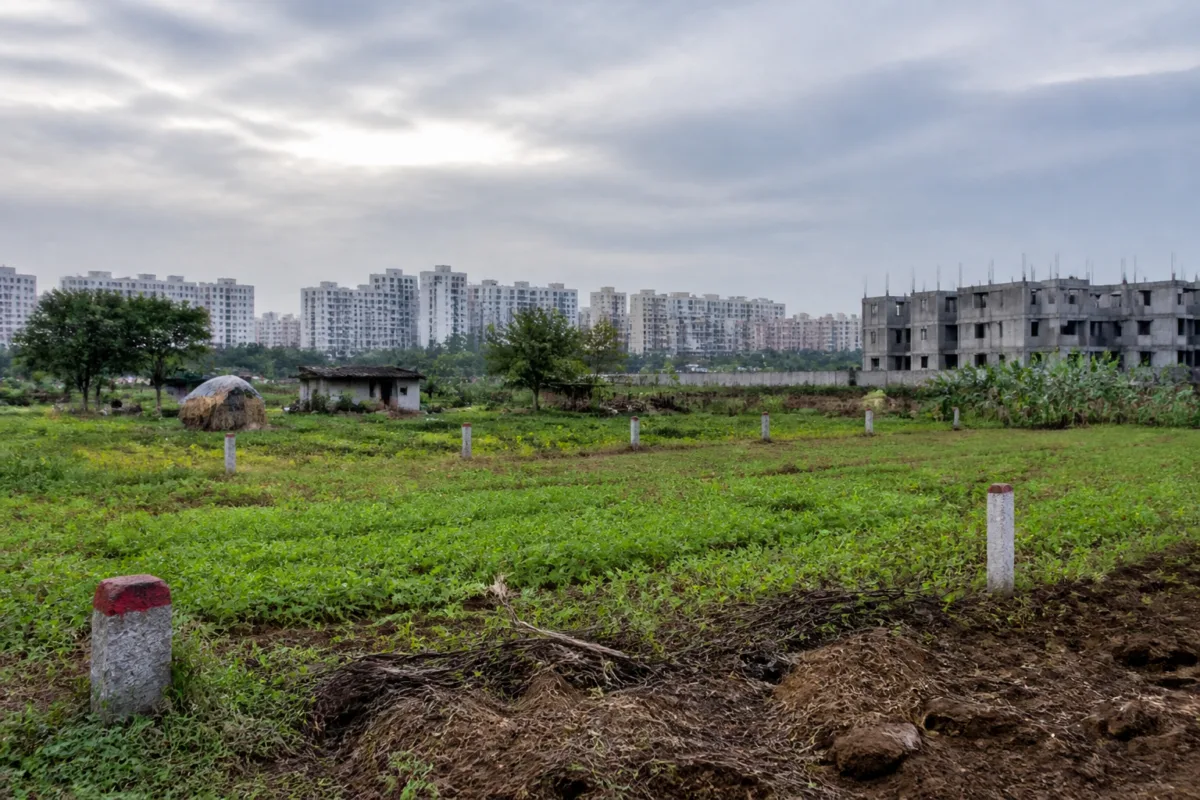
The Supreme Court has cancelled the acquisition of about 60 acres in Nelakadirenahalli in north Bengaluru for the Karnataka Housing Cooperative Society and ordered that the land be returned to the original landowners, ruling that the process was tainted by fraud, abuse of power and violations of procedure.
A two-judge bench of Justices J.B. Pardiwala and K. Vinod Chandran passed the order on Monday, setting aside an earlier Karnataka High Court division bench ruling while upholding the decision of a single judge that had declared the acquisition illegal. The ruling concerns 59 acres and 39 guntas of land in Nelakadirenahalli village in Yeshwanthpur hobli, according to the report.
The court directed the authorities to restore possession to all original landowners, including those who had not approached the courts. It also ordered farmers who had already received compensation from the government to return the amount without interest.
The Supreme Court said the Karnataka Housing Cooperative Society would have no rights over the land. The report said the court found that the society had acted in collusion with intermediaries during the acquisition process and that the proceedings could not confer ownership rights on it.
The court also set out a procedure for cases in which landowners are unable to return the compensation. In such circumstances, the Revenue Department must conduct a public auction of the land under the supervision of a district judge of selection grade. The proceeds are to be used for compensating affected persons under the guidance of the Chief Justice of the High Court and the Karnataka State Legal Services Authority.
The land acquisition notification was issued in 1988 for the Nelakadirenahalli property. The Supreme Court noted that the process did not have prior approval from the government in the name of the Governor, as required, according to the report. The judgment also referred to the findings of investigation committees, including the G.V.K. Rao Committee.
Those findings reportedly raised questions about the cooperative society’s records, describing them as incomplete and doubtful. The court was told that there was no layout plan for the proposed housing development, no list of eligible members and that agreements with private individuals had been entered into before the acquisition itself. The judgment also referred to allegations that officials had been bribed.
In its 71-page judgment, the bench emphasised that fraud invalidates official proceedings. The court increased the compensation ordered by the High Court single judge and directed that each petitioner be paid costs of Rs 50,000.
The order now requires the state revenue authorities to implement the restoration and repayment directions, including identifying landowners who must return compensation and initiating the prescribed auction process where repayment is not possible.

