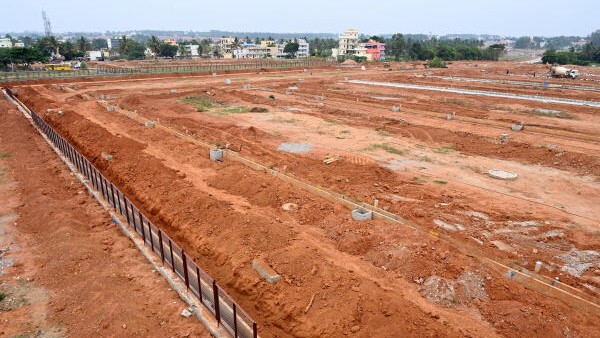
Bengaluru Karanth Layout Landowners Finally See Allotments
After nearly two decades of uncertainty, landowners affected by the acquisition for Bengaluru’s Dr Shivaram Karanth Layout are beginning to receive site allotments. The process marks a significant step in resolving a long-running land and rehabilitation issue, while also highlighting the administrative and social costs that can emerge when large urban expansion projects take years to settle.
PpThe Karanth Layout site allotment process concerns landowners whose properties were acquired for the planned residential development in north Bengaluru. The latest phase is intended to provide alternative sites to eligible affected owners, offering a measure of resolution after years of waiting. The delay illustrates a recurring challenge in Bengaluru’s development model. Large-scale layouts require land assembly, statutory clearances, compensation and rehabilitation, but prolonged disputes can leave affected families in uncertainty while the surrounding city continues to develop. For the people affected, the issue is not limited to the value of the original land. A prolonged acquisition process can disrupt housing plans, investments and livelihood decisions. Delayed rehabilitation can also make it difficult for families to plan their future, particularly when property values in the wider metropolitan area change significantly during the intervening years. The Karanth Layout site allotment also carries implications for responsible urban expansion. North Bengaluru has experienced substantial growth in residential development and infrastructure, increasing the value of land and connectivity in the region. Ensuring that people whose land enabled such expansion receive timely and transparent rehabilitation is an important part of equitable development.
Urban planning experts say land acquisition should ideally be accompanied by clear timelines and predictable grievance-resolution mechanisms. Where replacement sites are promised, eligibility criteria, allotment schedules and possession procedures need to be communicated clearly to affected households. The case also demonstrates why large housing projects cannot be assessed solely by the number of sites they create. Urban development needs supporting roads, public transport, water supply, drainage, schools and other services. Without these systems, new layouts can increase pressure on existing infrastructure rather than creating genuinely liveable neighbourhoods. For Bengaluru, the resolution of long-pending allotments could provide a useful administrative precedent. A transparent process for identifying beneficiaries and completing possession can help reduce uncertainty in future land-acquisition exercises. The latest allotments do not erase the 18-year wait, but they move the process towards closure. The next measure of success will be whether eligible families can actually take possession and access basic infrastructure, rather than simply receiving an allotment document.
As Bengaluru continues to expand, timely rehabilitation will remain central to building public trust around land-intensive infrastructure and housing projects. The Karanth Layout experience underlines the need for urban growth to move at a pace that does not leave affected communities waiting for years for the benefits promised to them.