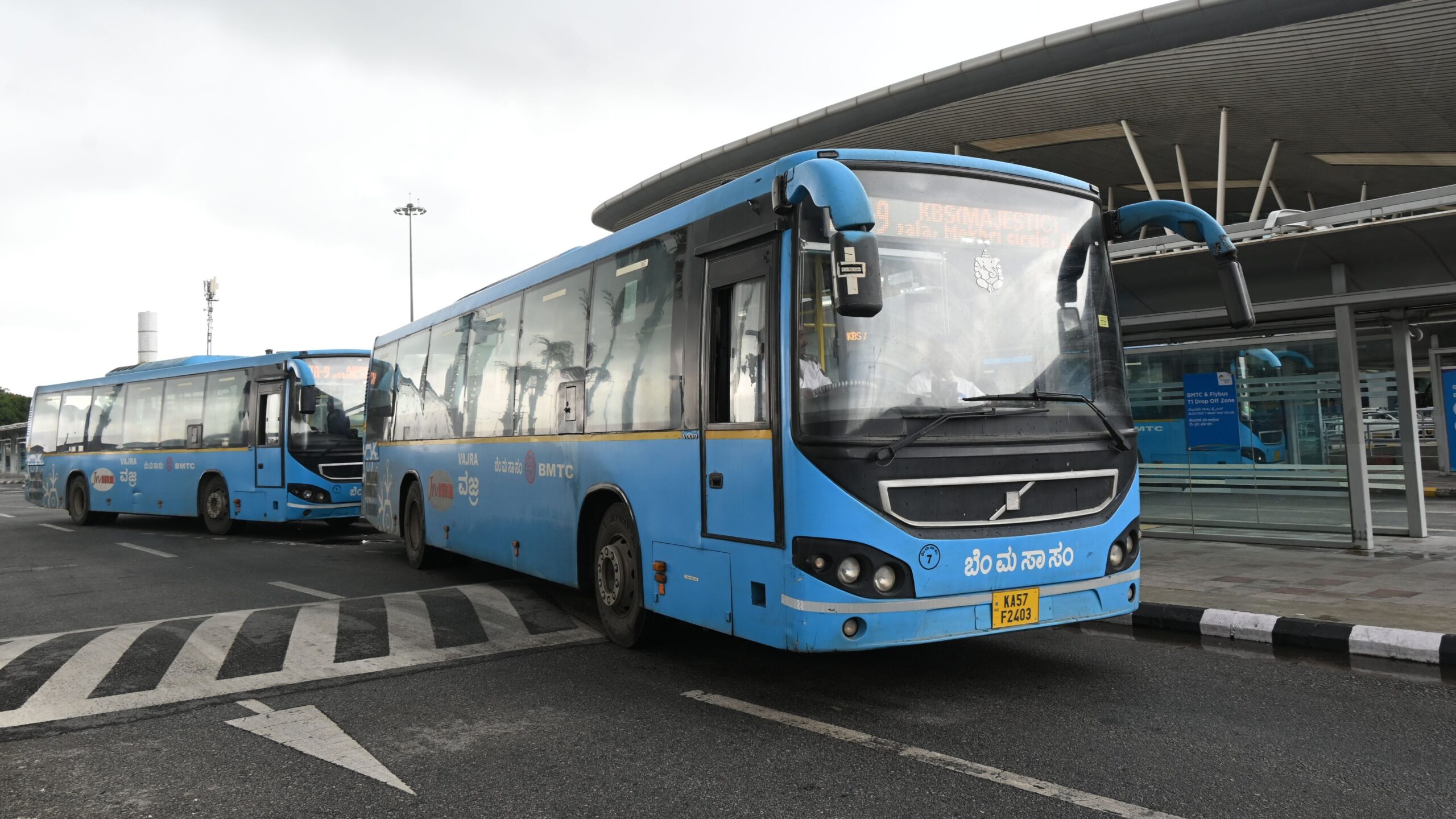
Bengaluru Bus Stations Face Fresh Service Scrutiny
Bengaluru’s public bus infrastructure has come under renewed scrutiny after surprise inspections were conducted at Karnataka State Road Transport Corporation and Bengaluru Metropolitan Transport Corporation facilities. The checks focused attention on the everyday conditions faced by passengers and frontline staff, while highlighting the need for consistent service standards across the city’s bus network.
The inspections covered multiple Bengaluru bus stations, including facilities used by both city and intercity services. Such terminals are important pieces of urban infrastructure, particularly for commuters who rely on buses for affordable connections to workplaces, educational institutions and residential neighbourhoods. For passengers, service quality is shaped by more than bus frequency. Clean waiting areas, functioning passenger facilities, clear information, safe access and orderly boarding all influence whether public transport feels dependable. These details become particularly important for people making daily journeys without access to private vehicles. Urban mobility experts say regular operational audits can help identify problems that may not be visible through administrative reports. Conditions at bus stands can change quickly depending on passenger volumes, maintenance schedules and staffing. On-ground inspections therefore provide an opportunity to identify gaps and assign responsibility for corrective action. The review also has wider implications for Bengaluru’s transport strategy. The city is investing heavily in Metro expansion, but buses remain essential for providing coverage beyond rail corridors. They also provide the crucial first- and last-mile connections that determine whether mass transit can function as an integrated network. Improving Bengaluru bus stations could therefore strengthen the wider public transport system without requiring every mobility problem to be addressed through new road capacity.
Better interchange between buses and Metro services can reduce transfer friction and make public transport more competitive with private vehicles. Passenger facilities also have an inclusion dimension. Well-maintained toilets, adequate lighting, accessible pathways and clear signage can make terminals more usable for women, older passengers, children and people with disabilities. Designing these facilities around actual passenger needs can improve the experience without requiring major structural expansion. The inspections also raise questions about how improvements will be sustained. One-off checks can identify deficiencies, but measurable service standards, regular audits and transparent follow-up are needed to prevent the same problems from recurring. As Bengaluru grows and travel demand rises, strengthening its bus network will be important for reducing congestion, emissions and household transport costs. A reliable bus system can move large numbers of people using substantially less road space than individual cars and two-wheelers.
The immediate focus following the inspections will be whether identified shortcomings are addressed consistently. For Bengaluru, the larger challenge is to make everyday public transport reliable enough that quality is not dependent on when an inspection happens, but becomes a routine feature of the city’s mobility infrastructure.