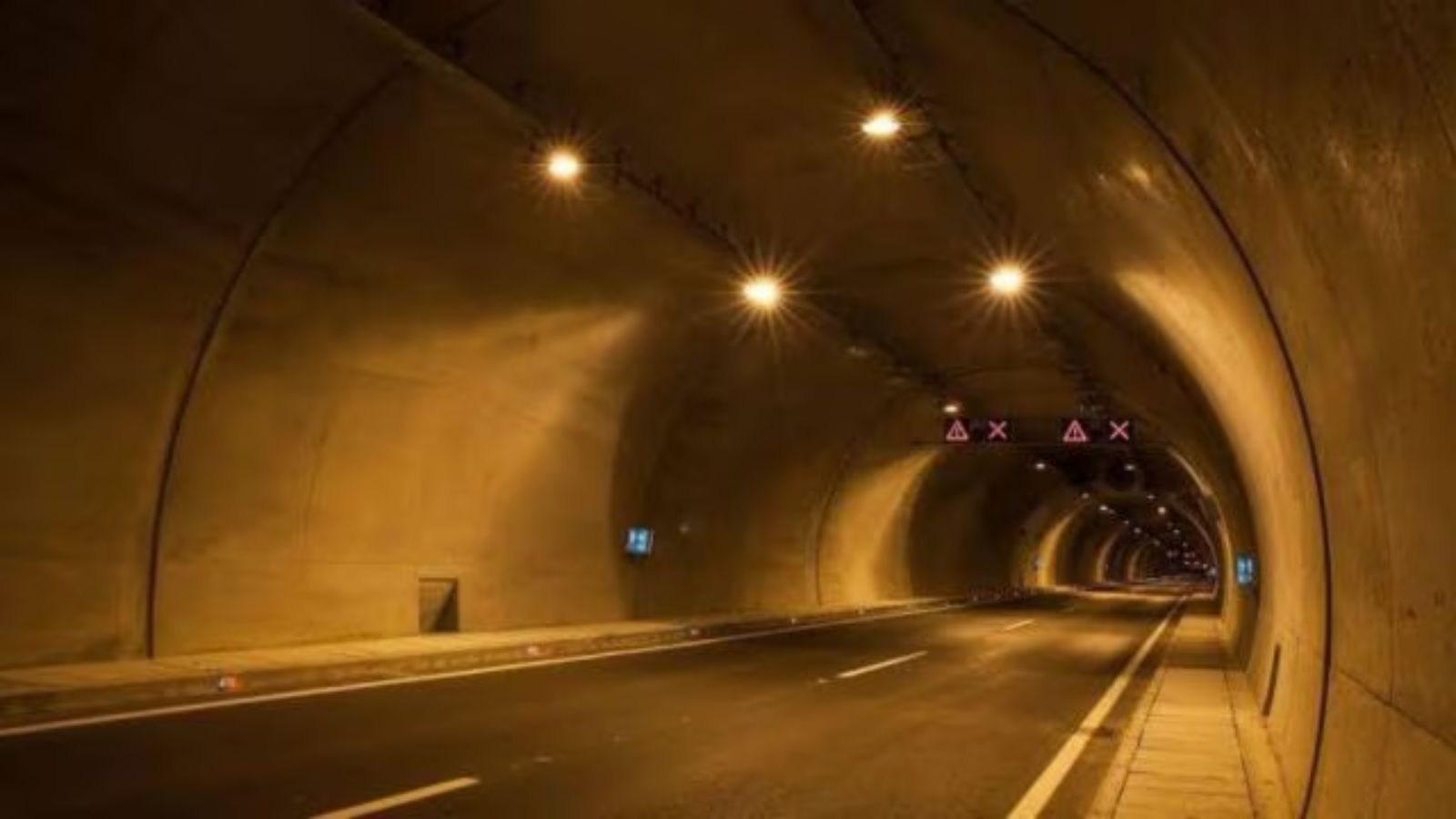
The proposed Hebbal tunnel project could ease pressure at one of Bengaluru’s busiest junctions, but transport and urban planning concerns are emerging over whether congestion and flooding could simply move to adjoining roads. The Hebbal tunnel project is being assessed as part of a broader effort to improve movement through the northern gateway, yet its interaction with stormwater infrastructure remains a critical consideration for the city’s monsoon resilience.
The proposed underground road is intended to provide an alternative to surface-level traffic at Hebbal, a junction that handles substantial commuter movement towards the airport, northern Bengaluru and the Outer Ring Road. By separating through traffic from local movements, the project could potentially reduce delays at the junction. However, urban transport specialists have pointed to a familiar problem with large road projects: removing a bottleneck at one location does not necessarily reduce total traffic. Vehicles can be redistributed towards connecting roads, creating fresh pressure at downstream intersections unless the surrounding network is upgraded at the same time. Drainage presents an additional challenge. Parts of the Hebbal area are connected to a complex network of stormwater drains and low-lying corridors. Any major excavation or alteration of road levels therefore needs to account for how rainwater will move during intense storms. The Hebbal tunnel project could face operational difficulties if drainage capacity is not integrated into the design from the beginning. For Bengaluru, this is becoming increasingly important as short periods of intense rainfall regularly expose weaknesses in the city’s stormwater network.
Underground infrastructure can be particularly sensitive to water ingress, making pumping systems, drainage gradients and emergency access important elements of project planning. The issue also extends beyond engineering. A tunnel that improves vehicle speeds while increasing congestion on nearby streets could deliver limited citywide benefits. Residents, pedestrians, buses and businesses along feeder roads would continue to experience the consequences of traffic redistribution. Urban planners say transport projects need to be evaluated at a network level, including pedestrian access, public transport connectivity, surface-road capacity and drainage. This approach can help prevent isolated infrastructure improvements from creating new pressure points elsewhere. The project also comes as Bengaluru attempts to accommodate continued growth in its northern corridor. Rising development around the airport and peripheral areas is likely to increase travel demand, making it important to assess whether additional road capacity alone can keep pace. The key measure of the tunnel’s success, therefore, will not simply be faster movement through Hebbal.
Its value will depend on whether congestion is reduced across the surrounding network without increasing flood exposure or compromising access for people living and working nearby. As planning progresses, integrating mobility and water-management assessments could determine whether the project becomes a durable urban intervention or merely shifts Bengaluru’s existing problems from one junction to another.