Bengaluru Chennai Expressway Cuts Travel Time Significantly
A newly opened combination of expressway stretches is making Bengaluru–Chennai road travel considerably faster, with one recent journey reaching central Chennai from south Bengaluru in under five hours. The improved connectivity is strengthening the road link between the two major economic centres, but limited roadside services and unfinished sections show that faster highways still need supporting infrastructure to become dependable regional mobility corridors.
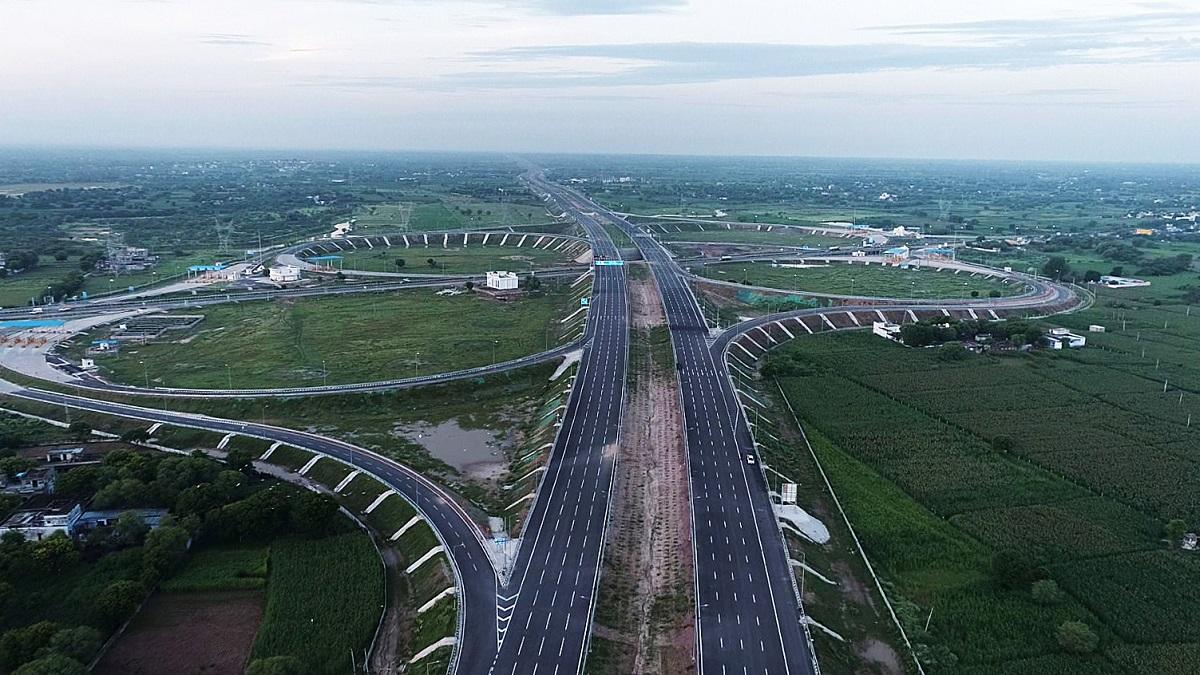
The Bengaluru Chennai Expressway currently provides a faster alternative to conventional routes, particularly for motorists entering the corridor from Hoskote. A recent drive began in south Bengaluru early in the morning, reached Hoskote in less than an hour and covered roughly 105 km on the NE7 section in about an hour. The journey then continued through Baireddipalle and Chittoor before joining the newer expressway section towards Pondavakkam. The Chittoor–Pondavakkam section emerged as the strongest part of the journey, offering six-lane carriageways and relatively uninterrupted movement. The improved road surface and limited traffic helped reduce travel friction, allowing the vehicle to reach Chennai’s T Nagar in around five hours from south Bengaluru. However, the journey also illustrates why travel-time gains cannot be assessed only by looking at the expressway itself. The Baireddipalle–Chittoor portion still involves movement through towns and single-lane stretches.
At the Chennai end, traffic conditions can substantially alter the overall journey. On the return trip, reaching the expressway from Chennai took about two hours, while congestion after exiting at Hoskote extended the total return journey to between 6.5 and seven hours. A more immediate concern is the lack of basic roadside amenities. There are currently no fuel stations or eateries on the two expressway stretches covered during the journey, while available rest facilities remain limited. For motorists, particularly families, women travelling alone and electric-vehicle users, predictable access to fuel, food, toilets, emergency assistance and charging infrastructure is an important part of safe long-distance mobility. The Bengaluru Chennai Expressway could eventually reshape travel between the two metropolitan regions, as additional unfinished sections become operational.
Faster road links can also improve access between employment centres, industrial clusters and smaller towns along the corridor. But the next phase should focus on completing missing links while building a coordinated network of safe rest areas, emergency services, charging facilities and reliable signage. Without these supporting systems, travel times may improve on paper while the overall journey remains vulnerable to congestion, fuel shortages and service gaps.