


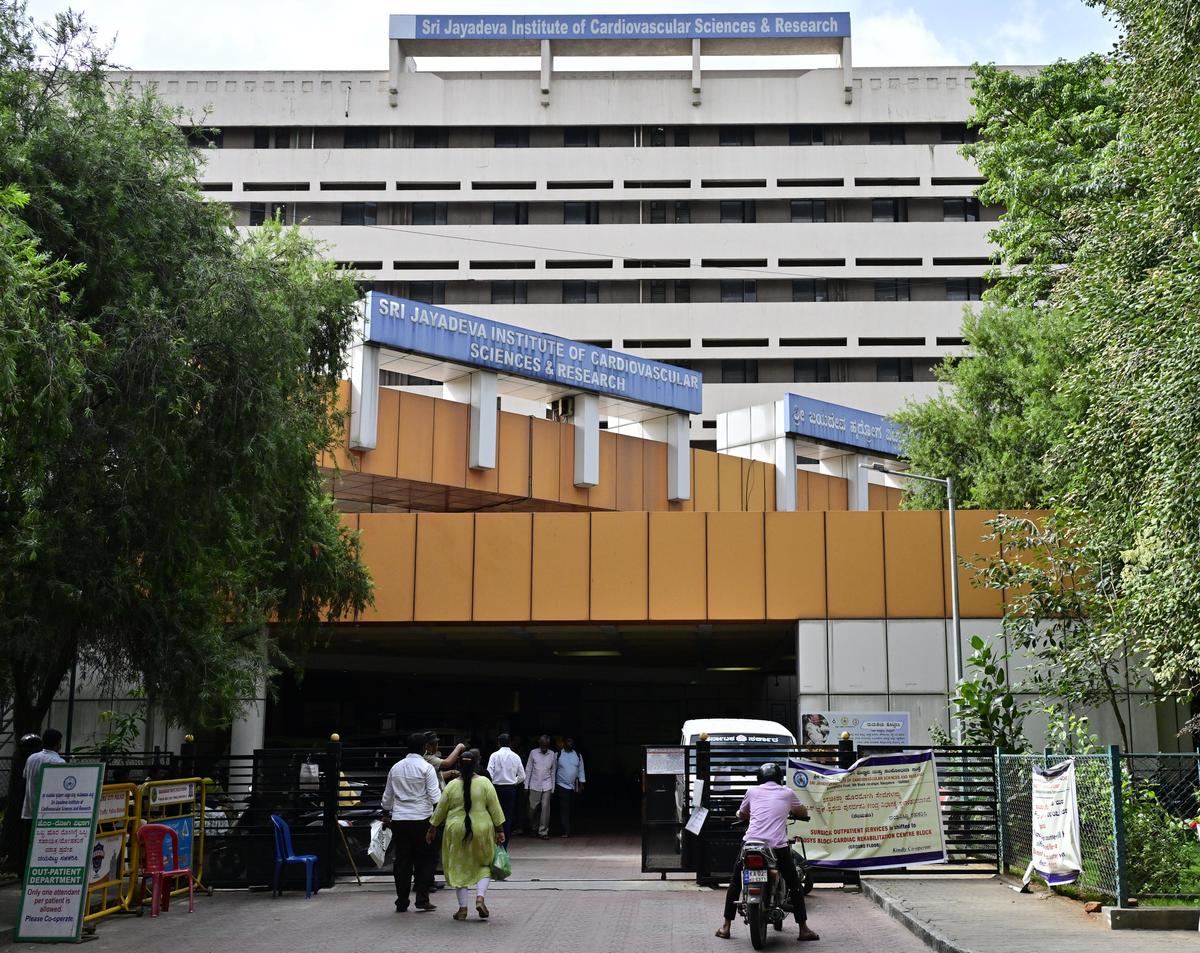
Bengaluru’s healthcare infrastructure is set for a significant expansion with plans underway to establish a new 100-bed cardiac care facility in the city’s western corridor. The proposed hub aims to address growing demand for specialised heart care services in areas that have seen rapid residential and industrial growth but limited access to advanced medical infrastructure.
The initiative reflects a broader shift in urban healthcare planning, where services are being decentralised to match the city’s spatial expansion. Traditionally, tertiary healthcare facilities in Bengaluru have been concentrated in central and southern zones, often leading to longer travel times for patients from peripheral areas. By situating a cardiac hub in the west, planners aim to improve response times for critical cases and reduce pressure on existing hospitals.Healthcare experts highlight that cardiovascular diseases remain a leading cause of mortality in urban India, making timely access to specialised treatment essential. In a densely populated and traffic-constrained city like Bengaluru, proximity to advanced care facilities can significantly influence patient outcomes, particularly in emergencies.The development is also expected to contribute to the city’s evolving healthcare economy. As Bengaluru continues to attract a growing workforce, demand for quality medical services is rising in tandem.Investments in specialised care centres not only improve public health outcomes but also create employment opportunities and support allied sectors such as diagnostics and medical technology.
From an infrastructure perspective, the project underscores the importance of integrating healthcare planning into urban development frameworks. Experts note that as cities expand, essential services like hospitals must be distributed more evenly to ensure equitable access. This is particularly relevant in western Bengaluru, where rapid real estate growth has not always been matched by proportional social infrastructure.However, the success of such projects depends on more than just capacity expansion. Ensuring affordability, accessibility and efficient service delivery will be critical to meeting the needs of diverse population groups. Without inclusive planning, new facilities risk becoming accessible primarily to higher-income segments, leaving existing gaps unaddressed.Urban planners also emphasise the need for strong connectivity between healthcare facilities and transport networks. Efficient road access and integration with public transport systems can enhance the usability of such hubs, especially during emergencies when travel time is a critical factor.The environmental dimension is another consideration. Modern healthcare facilities are increasingly expected to adopt sustainable design practices, including energy efficiency, waste management and resource optimisation. Incorporating these elements can help align healthcare expansion with broader climate-resilient urban goals.
As Bengaluru moves forward with this new cardiac hub, the focus will be on delivering not just additional capacity but a more balanced and accessible healthcare ecosystem. If executed effectively, the project could serve as a model for integrating specialised medical services into rapidly growing urban regions, ensuring that infrastructure keeps pace with the city’s evolving needs.
Also Read:Bengaluru height restrictions near defence airports reviewed
