


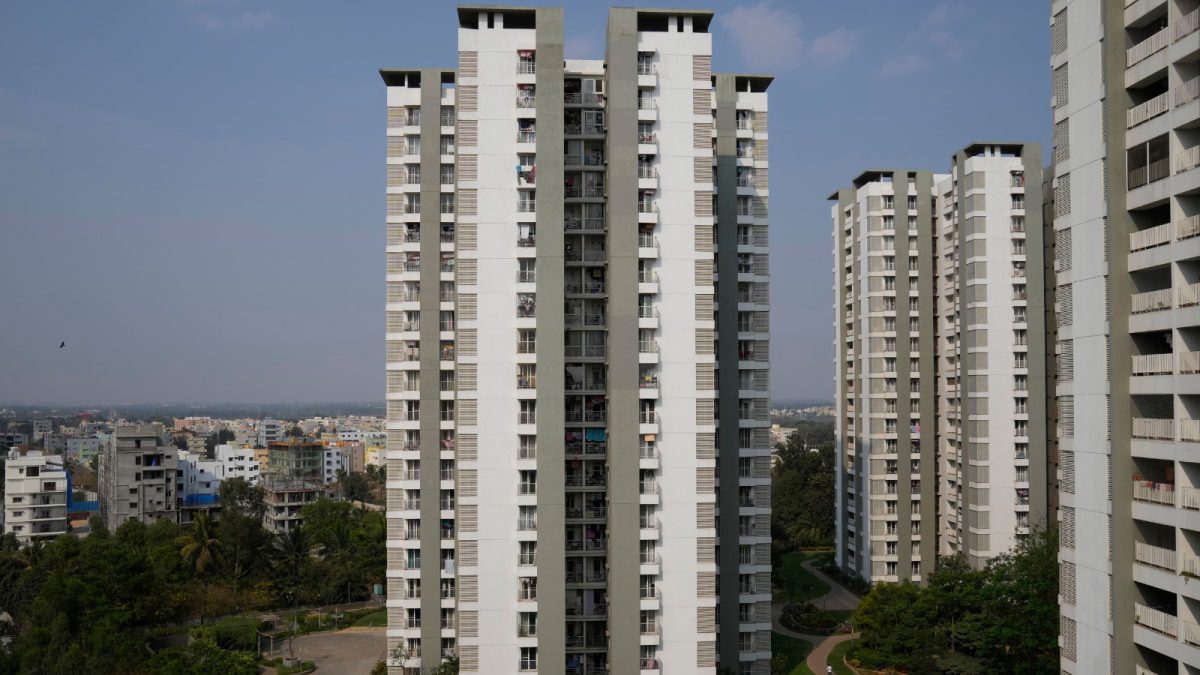
Bengaluru’s urban expansion is once again intersecting with aviation and defence regulations, as state authorities push for a review of building height restrictions around key airbases. The move seeks to address long-standing concerns that stringent height curbs are limiting development potential in several parts of the city, particularly in rapidly urbanising zones.
The restrictions, imposed to ensure aviation safety around defence airports, have shaped land use patterns and real estate development across large urban stretches. While essential from a security and operational standpoint, these rules have also constrained vertical growth in a city already grappling with land scarcity and rising demand for housing and commercial space.Urban planners note that Bengaluru’s growth trajectory increasingly depends on optimising land use through higher-density development.In this context, height restrictions can have cascading effects on property values, infrastructure planning and housing affordability. Areas falling under these regulated zones often witness uneven development, with limited scope for high-rise construction despite strong market demand.State officials have indicated that easing these curbs, where feasible, could unlock additional development capacity without compromising safety. The proposal is expected to involve technical assessments to determine permissible height limits based on updated aviation standards and technological advancements in navigation systems.From an economic perspective, revisiting these restrictions could have significant implications for the real estate sector.Developers have long argued that rigid height limits reduce project viability and restrict supply in high-demand areas, contributing to price pressures.
A calibrated relaxation could encourage more efficient land use and potentially stabilise market dynamics.However, experts caution that any modification must carefully balance development goals with safety imperatives.Defence airbases operate under strict guidelines, and even minor deviations in building heights can pose risks to flight operations. Transparent coordination between civil authorities and defence agencies will be crucial to ensure that safety remains uncompromised.The issue also raises broader questions about integrated urban planning. Bengaluru’s expansion has often been shaped by overlapping regulatory frameworks, from aviation to environmental norms, sometimes leading to fragmented decision-making.Aligning these frameworks with long-term city planning objectives remains a key challenge.There are also implications for infrastructure and sustainability. Higher-density development, if managed well, can support more efficient public transport systems, reduce urban sprawl and lower per capita resource consumption. Conversely, unplanned relaxation of height norms without supporting infrastructure could strain existing services and worsen congestion.Residents in affected areas have expressed mixed views. While some see the potential for improved property values and better infrastructure, others are concerned about increased density and its impact on quality of life, including traffic and access to open spaces.
As discussions progress, the focus is likely to remain on finding a balanced approach that accommodates Bengaluru’s growth while safeguarding critical aviation operations. The outcome could set a precedent for how Indian cities navigate the complex relationship between urban development and strategic infrastructure constraints.
Also Read:Puducherry Bengaluru flights expand regional connectivity

