


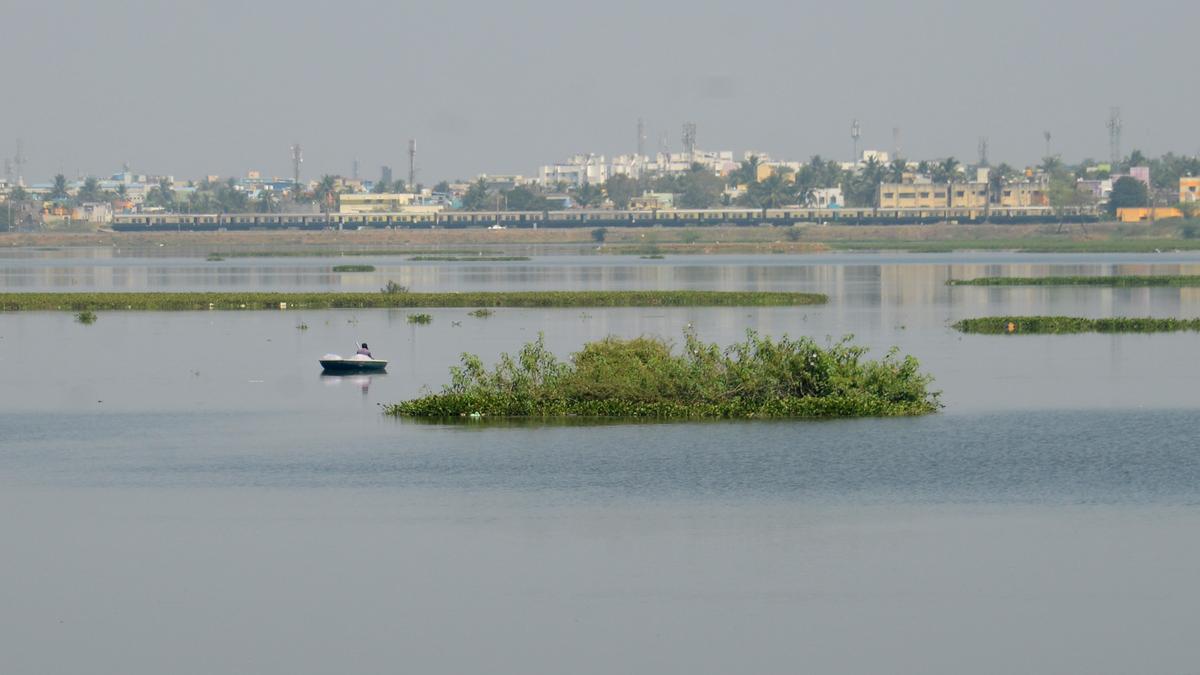
Chennai’s efforts to strengthen urban flood management are gathering pace as work progresses on a channel designed to divert surplus water from Ambattur Lake to the Cooum river. The project aims to address recurrent flooding in surrounding neighbourhoods by improving the city’s stormwater drainage capacity during periods of heavy rainfall.
Ambattur Lake, one of the city’s key water bodies, often faces overflow risks during intense monsoon spells. Without adequate outflow mechanisms, excess water can inundate nearby residential and industrial areas, disrupting daily life and causing economic losses. The proposed diversion channel is intended to create a controlled pathway for excess water, reducing pressure on the lake and mitigating flood risk.Urban planners highlight that Chennai’s flood vulnerabilities are closely linked to its hydrological network, which includes interconnected lakes, canals and rivers. Over time, encroachments, siltation and unplanned urban expansion have disrupted these natural systems, limiting their ability to absorb and channel water effectively. Restoring and augmenting these linkages is increasingly seen as critical to building climate-resilient infrastructure.The channel project represents a step towards re-establishing functional connections between water bodies, allowing for better distribution and flow management during peak rainfall events. By directing surplus water into the Cooum river, authorities aim to prevent localised flooding while maintaining overall system balance.However, experts caution that such interventions must be implemented with careful environmental consideration.
The Cooum, already under stress from pollution and reduced flow, may require parallel restoration efforts to handle additional water volumes effectively. Without improving the river’s carrying capacity and ecological health, the benefits of diversion could be limited.From an infrastructure perspective, the project also underscores the need for integrated urban water management. Isolated interventions, while useful, may not fully address systemic challenges unless combined with broader measures such as desilting, wetland restoration and improved stormwater networks.The economic implications are significant. Flooding in industrial zones around Ambattur has previously led to disruptions in manufacturing and supply chains. By reducing flood risk, the project could enhance business continuity and safeguard livelihoods, particularly in areas dependent on small and medium enterprises.Residents in flood-prone localities are likely to benefit from improved drainage and reduced risk of property damage.However, as with most infrastructure projects, there may be short-term disruptions during construction, including traffic diversions and restricted access in certain areas.Urban resilience experts emphasise that long-term success will depend on maintenance and governance.
Regular monitoring, clearing of blockages and enforcement against encroachments are essential to ensure that the channel remains functional over time.As Chennai continues to grapple with the dual challenges of flooding and water scarcity, projects like this highlight the importance of rethinking urban water systems.Strengthening natural and engineered drainage networks will be key to creating a city that can better withstand climate variability while supporting sustainable growth.
Also Read:Chennai Metro track work begins on key corridor
