


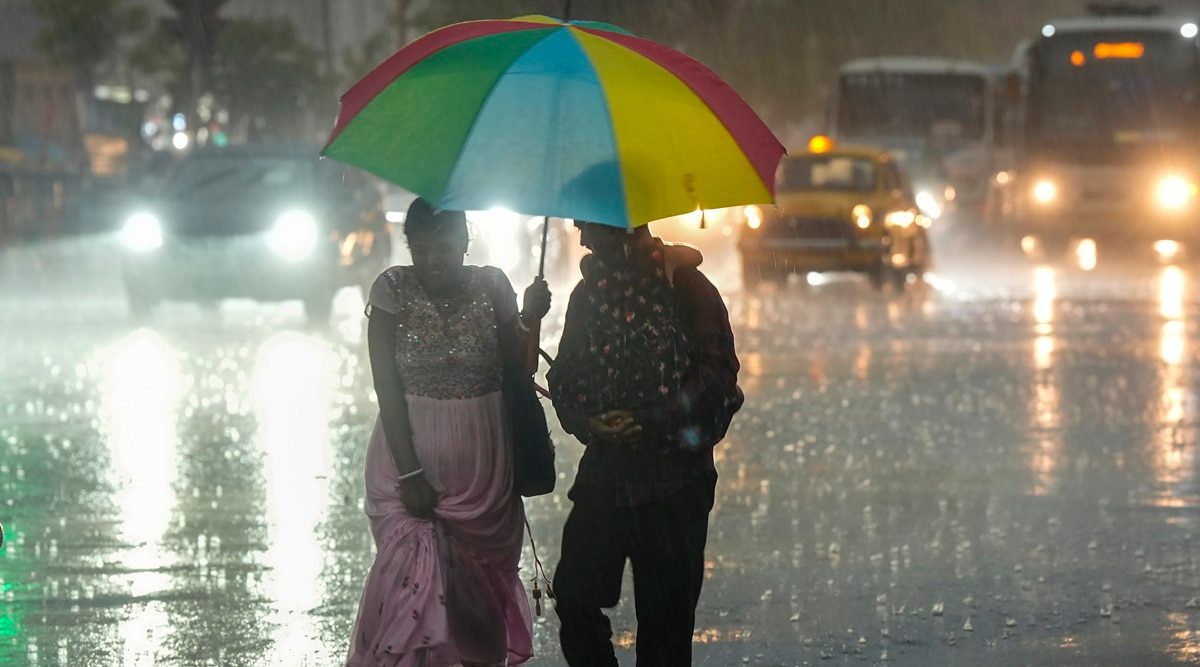
After days of persistent heat and humidity, Kolkata is expected to see a gradual return of rainfall next week, offering partial relief from rising discomfort levels across the city. The forecast indicates a shift in weather patterns, with light to moderate showers and thunderstorms likely to develop after a relatively dry start to the week, signalling the onset of pre-monsoon activity.
Meteorological projections suggest that while temperatures may hover in the mid-30°C range initially, rainfall activity is set to increase from early next week. Showers are expected to become more widespread over several days, accompanied by cloud cover and marginal dips in daytime temperatures. Urban climate experts note that such transitional weather phases are typical for eastern Indian cities during this time of year.However, in a dense metropolis like Kolkata, even short spells of rain can have disproportionate impacts—both positive and challenging. On one hand, rainfall can reduce surface temperatures and improve thermal comfort in heat-stressed neighbourhoods. On the other, inadequate drainage infrastructure often leads to localised waterlogging, disrupting daily life.The recent heat spell has already exposed vulnerabilities in the city’s urban fabric. High humidity combined with elevated temperatures has intensified the “real feel” effect, affecting productivity and increasing health risks, particularly for outdoor workers and low-income communities. In this context, the expected showers may provide temporary relief but also highlight the need for long-term climate-responsive planning.Urban planners emphasise that Kolkata’s weather patterns are becoming increasingly erratic due to broader climate shifts.
Short, intense bursts of rain are replacing more evenly distributed rainfall, putting pressure on ageing stormwater systems. Without upgrades to drainage networks and better integration of blue-green infrastructure—such as restored wetlands and permeable surfaces—cities risk oscillating between heat stress and flood vulnerability.The economic implications are equally significant. Weather disruptions can affect informal sectors, transport systems and small businesses, particularly in areas prone to water accumulation. At the same time, moderate rainfall can benefit urban ecology, improving air quality and supporting groundwater recharge if managed effectively.For residents, the coming week may bring a mix of relief and caution. While cooler conditions are expected during rainy spells, intermittent showers and thunderstorms could affect commuting patterns and outdoor activities. Authorities typically advise preparedness for sudden weather changes, especially during the pre-monsoon transition.From a sustainability perspective, the forecast underscores the importance of adaptive urban systems. Cities like Kolkata must increasingly plan for climate variability, ensuring that infrastructure can handle both extreme heat and sudden rainfall events.
Integrating weather forecasting into urban management—such as traffic planning and emergency response—can help mitigate disruptions.As Kolkata moves into this transitional phase, the return of rain offers a reminder of the city’s evolving climate realities. Managing these shifts effectively will be key to improving resilience, ensuring that seasonal relief does not come at the cost of recurring urban challenges.
Also Read:Kolkata university allows home centres for UG exams

