


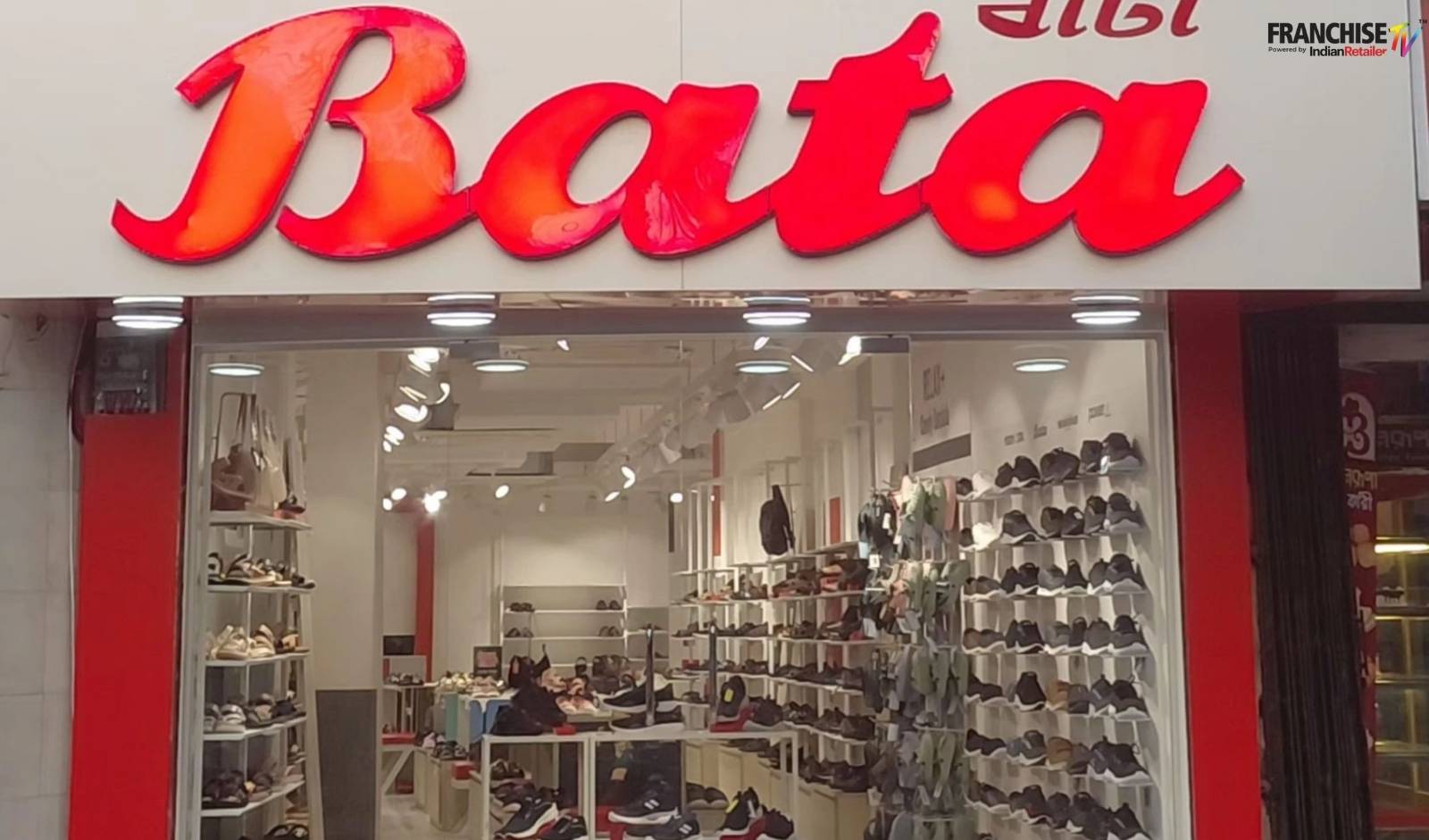
India’s expanding consumer economy is set to trigger another wave of high street retail growth as footwear major Bata accelerates plans to open nearly 1,000 additional outlets over the next three years, largely through franchise-led expansion. The move reflects shifting retail patterns across metropolitan regions, Tier II cities, and emerging suburban clusters where organised commerce is rapidly reshaping urban landscapes.
The company’s aggressive retail footprint strategy comes at a time when Indian cities are witnessing renewed demand for neighbourhood commercial spaces, transit-linked retail corridors, and mixed-use developments. Industry analysts say the proposed scale of expansion could influence leasing activity across shopping streets and compact retail centres, especially in high-growth residential districts.The planned rollout under the Bata franchise expansion model is expected to prioritise lower-capital retail formats that allow quicker penetration into densely populated urban zones. Retail consultants note that franchise-led growth has become increasingly attractive for brands seeking operational flexibility while reducing exposure to rising real estate and construction costs.Urban planners believe the trend also highlights a broader transformation underway in India’s consumption geography. Retail growth is no longer concentrated only in premium malls or central business districts. Instead, brands are moving closer to residential communities, peri-urban settlements, and transport-linked catchments where daily convenience shopping is gaining importance.
Experts tracking commercial real estate say this shift may benefit smaller property owners and local entrepreneurs who operate street-facing retail assets. However, they also caution that rapid commercialisation in residential neighbourhoods can strain parking infrastructure, pedestrian movement, and public transport connectivity if civic planning does not keep pace.The Bata franchise expansion strategy is also being viewed through the lens of employment generation. Franchise-driven retail networks typically create decentralised job opportunities in sales, logistics, facility management, and local supply chains. In smaller cities, such investments can stimulate micro-economies and support formalisation of retail employment.From a sustainability perspective, urban development specialists argue that future retail growth must align with low-carbon mobility goals. Compact, walkable retail ecosystems integrated with public transit are increasingly seen as preferable to automobile-dependent commercial expansion. Experts suggest that distributed retail networks can reduce long-distance travel for routine purchases, indirectly lowering traffic pressure and emissions in congested urban centres.At the same time, rising demand for physical retail space continues to raise concerns about energy-intensive construction and unplanned commercial sprawl. Sustainable retail infrastructure, including energy-efficient lighting, water conservation systems, and climate-responsive design, is becoming a key consideration for developers and city authorities alike.
The Bata franchise expansion may therefore become more than a business growth story. It reflects how consumer brands are influencing urban form, land use patterns, and neighbourhood economies across India’s fast-changing cities. As organised retail expands deeper into emerging markets, the long-term challenge for policymakers will be ensuring that commercial growth remains accessible, transit-oriented, and environmentally resilient.
Read More : Mumbai Drain Works Trigger Major Rail Disruptions
Bata Expansion Plan Reshapes High Street Retail
