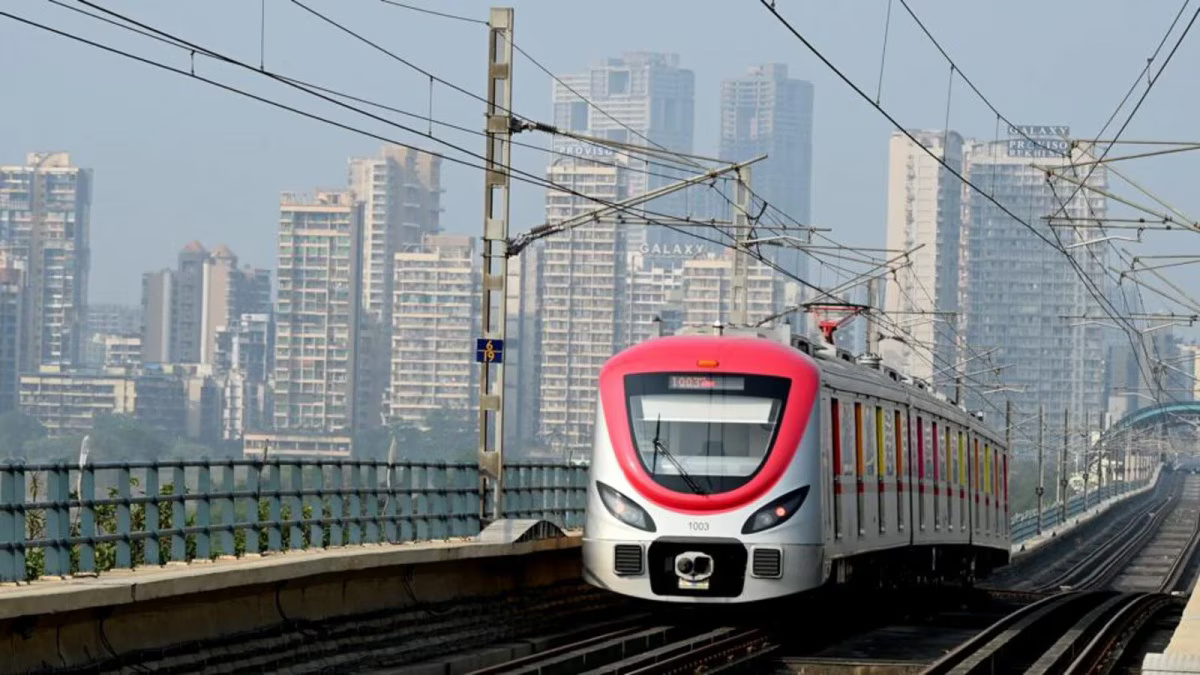
The Mumbai Metropolitan Region is poised to gain a major boost in daily commute efficiency as the Chembur station on Mumbai Metro Line 2B is scheduled for opening in April 2026, marking a critical milestone in the decades-long push to decongest urban mobility and foster inclusive, sustainable transit options. This phase of the Yellow Line is expected to reshape east-west connectivity across the city’s suburban belt and support broader urban growth objectives.
The Line 2B corridor, stretching over approximately 23.6 kilometres from DN Nagar in Andheri to Mandale in Mankhurd, is one of several major metro expansions underway across the Mumbai Metropolitan Region. It will include around 20 stations, weaving together residential zones, commercial nodes and multimodal interchange points. Once operational, the Chembur station will be a key access point for commuters in the eastern suburbs, providing rapid links to other parts of the city and reducing reliance on road transport.Urban planners have long emphasised that enhanced mass transit systems are central to creating climate-resilient cities by cutting greenhouse gas emissions from private vehicles and curbing urban congestion. For Mumbai — where suburban rail and bus networks are routinely overstretched — the extension of metro services into Chembur signals a step toward more equitable and people-centred transport infrastructure. Early access to metro services in this area is expected to redistribute commuter loads and enhance access to jobs and services across the metropolis.
Significant technical work has already been completed along portions of Line 2B, including electrification and trial runs on sections such as Mandale to Diamond Garden, a precursor to full operation. These preparatory measures are critical to ensuring that safety certification by the statutory metro regulator is secured before public services begin.Economic analysts note that improved transit connectivity typically accelerates local real estate and commercial activity around station precincts. With Chembur positioned as a major multimodal interchange — linking metro, suburban rail and other surface transport — property demand and mixed-use development prospects are likely to strengthen. This can catalyse investment in housing, retail and services, contributing to inclusive urban growth beyond central business districts.However, experts caution that the true impact will hinge on complementary upgrades such as last-mile walking and cycling infrastructure, accessible feeder services and inclusive design practices that ensure mobility benefits are equitably shared across socioeconomic groups. Without these supporting measures, the full promise of metro expansion may fall short for communities at the margins of the transit network.
For daily commuters, the launch of the Chembur station represents more than a new stop on the map — it is an early deliverable of a broader vision to reduce travel times, promote sustainable transport choices and relieve pressure on road corridors. As the corridor advances toward full commissioning by 2027, authorities and planners will need to maintain momentum across integrated transit planning, funding commitments and community engagement to ensure that Mumbai’s evolving metro network delivers equitable and long-lasting benefits.