


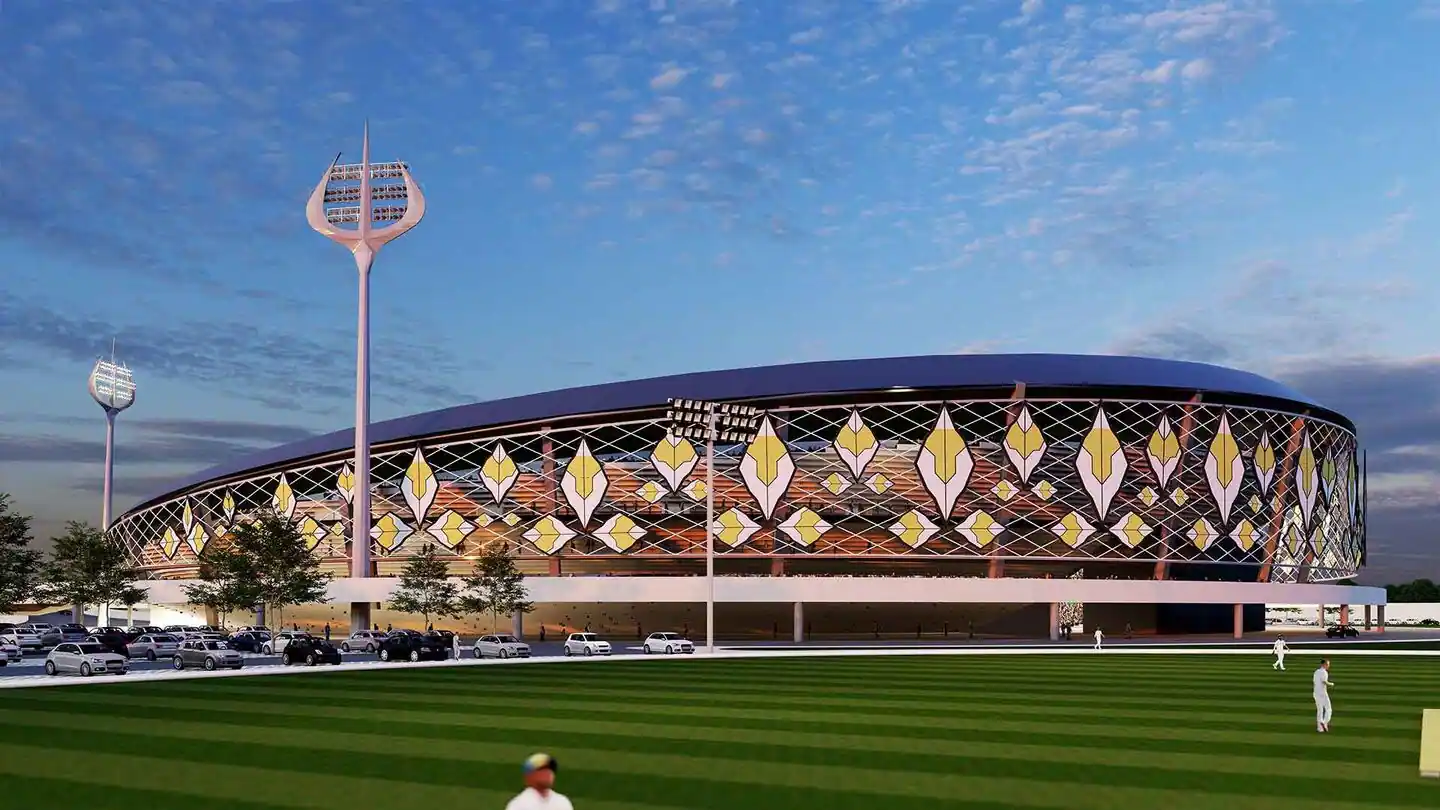
Uttar Pradesh has witnessed a significant overhaul of its sports infrastructure over the past 11.5 years, culminating in the state hosting a national-level volleyball championship in Varanasi after more than four decades. The 72nd Senior National Volleyball Championship brought together 58 teams from across India, reflecting the state’s commitment to strengthening athletic facilities and fostering talent from villages to cities. Experts note that such events enhance local economies, attract tourism, and underscore the importance of inclusive urban and regional planning in sport-led development.
The championship, held at the Dr Sampurnanand Sports Stadium, marked a milestone for the region. Facilities developed under urban planning initiatives, such as the Smart City Mission, alongside collaboration with national sports bodies, have enabled modern stadiums, mini-sports complexes, and village-level playgrounds. Industry observers highlight that investments in high-quality infrastructure create pathways for athletes from rural backgrounds to compete at national and international levels, strengthening the state’s talent pipeline. From a civic perspective, the expansion of sports infrastructure aligns with broader health and education objectives. Urban planners emphasise that integrating sports facilities into city and district planning promotes physical well-being, encourages community engagement, and supports the development of multi-use public spaces. In Uttar Pradesh, upgraded stadiums, shooting ranges, and training centres now serve both competitive athletes and recreational users, enhancing overall public access to quality sports amenities.
The national volleyball event also highlighted operational and logistical improvements in sports event management. Local authorities implemented crowd management strategies, coordinated with public transport networks, and leveraged stadium upgrades to accommodate large audiences safely. Analysts note that the ability to host multi-day national tournaments demonstrates the state’s growing capacity to organise high-profile events, boosting its visibility as a sports hub and providing economic opportunities for local vendors, hospitality services, and related sectors. Moreover, the emphasis on inclusive sports development ensures equitable access for women, youth, and marginalised communities. Programmes such as village-level playgrounds and block-level mini-stadiums have created grassroots opportunities, while partnerships with state and national sports bodies facilitate professional training pathways. Experts argue that such strategic investments not only nurture athletic talent but also foster social cohesion, community engagement, and regional pride.
Looking ahead, continued investment in multi-disciplinary sports infrastructure, coupled with talent identification programmes and public engagement initiatives, positions Uttar Pradesh to emerge as a leader in national sports development. Analysts suggest that integrating sustainable design practices, energy-efficient facilities, and climate-resilient stadiums can further align the state’s sports expansion with long-term urban planning and environmental goals.
Also Read: Indian Railways Launches Vande Bharat Sleeper Service
Uttar Pradesh Transforms Sports Infrastructure Rapidly
