


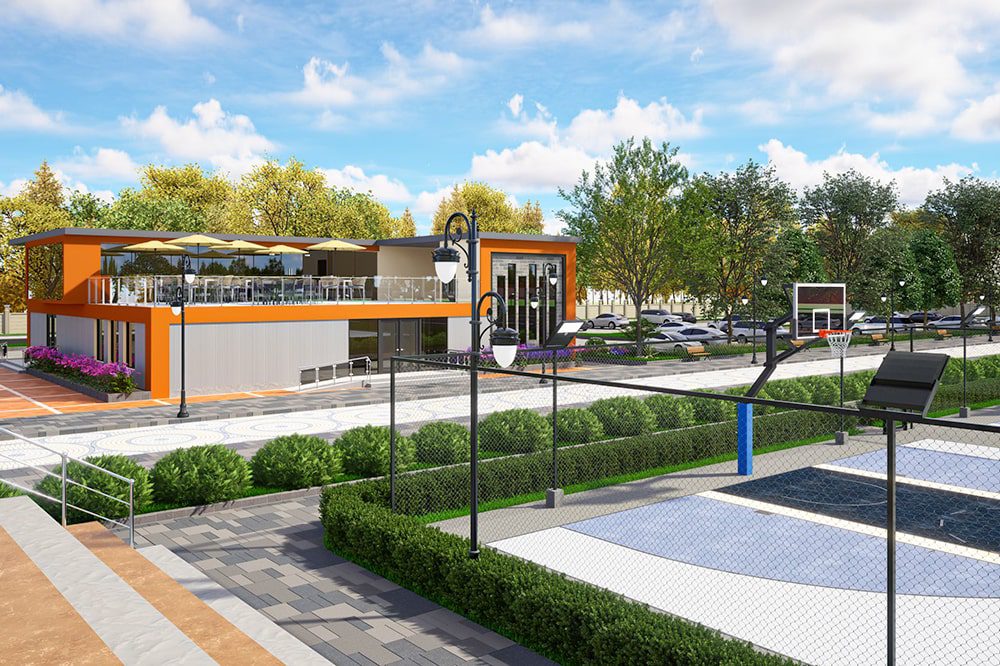
A new team sport is being introduced in Chennai through an academic-led initiative, signalling a growing focus on inclusive and accessible recreational activities in urban India.
The move aims to promote physical activity and community engagement, with plans to expand the sport beyond institutional spaces into wider public use.The introduction of the sport reflects how cities are increasingly exploring innovative formats to encourage active lifestyles. In dense urban environments like Chennai, where access to open spaces can be limited, adaptable and low-cost sports models offer a practical solution for engaging diverse populations.The initiative is part of the broader Chennai sports infrastructure development, which is gradually shifting towards more inclusive and community-oriented approaches. Unlike traditional sports that often require specialised facilities, newer formats are designed to be played in smaller, flexible spaces, making them more accessible to schools, neighbourhoods, and informal groups.Urban health experts highlight that promoting physical activity is critical for addressing lifestyle-related health challenges in cities.Sedentary habits, combined with limited recreational options, have increased the need for accessible sports and fitness opportunities. Initiatives like this can play a role in improving public health outcomes.The Chennai sports infrastructure development narrative also intersects with urban planning.
Integrating sports facilities into city design—whether through parks, school grounds, or multi-use public spaces—can enhance livability and social cohesion.Encouraging community participation in such activities helps create more vibrant and connected neighbourhoods.From an economic perspective, the rollout of new sports formats can stimulate local ecosystems, including coaching, equipment manufacturing, and event management. As participation grows, these activities can generate employment and support grassroots development.There are also educational benefits.Introducing innovative sports in academic institutions can foster teamwork, discipline, and leadership skills among students.Expanding these programmes beyond campuses can extend these advantages to a broader population.However, scaling such initiatives will require sustained support, including funding, training, and awareness campaigns. Ensuring that facilities are accessible and inclusive—across gender, age, and socio-economic groups—will be essential for long-term success.The effort also aligns with broader goals of creating healthier and more sustainable cities.Encouraging non-motorised activities and outdoor engagement can contribute to improved well-being and reduced environmental impact.
As Chennai continues to evolve, the introduction of new recreational formats reflects a shift towards more dynamic and inclusive urban spaces. The success of this initiative could pave the way for similar programmes across the country, reinforcing the role of sports in shaping healthier, more connected communities.
Also Read:Chennai Metro Passenger Survey Enhances Commuter Experience
