Chennai Railway Upgrades Ease Urban Traffic Pressure
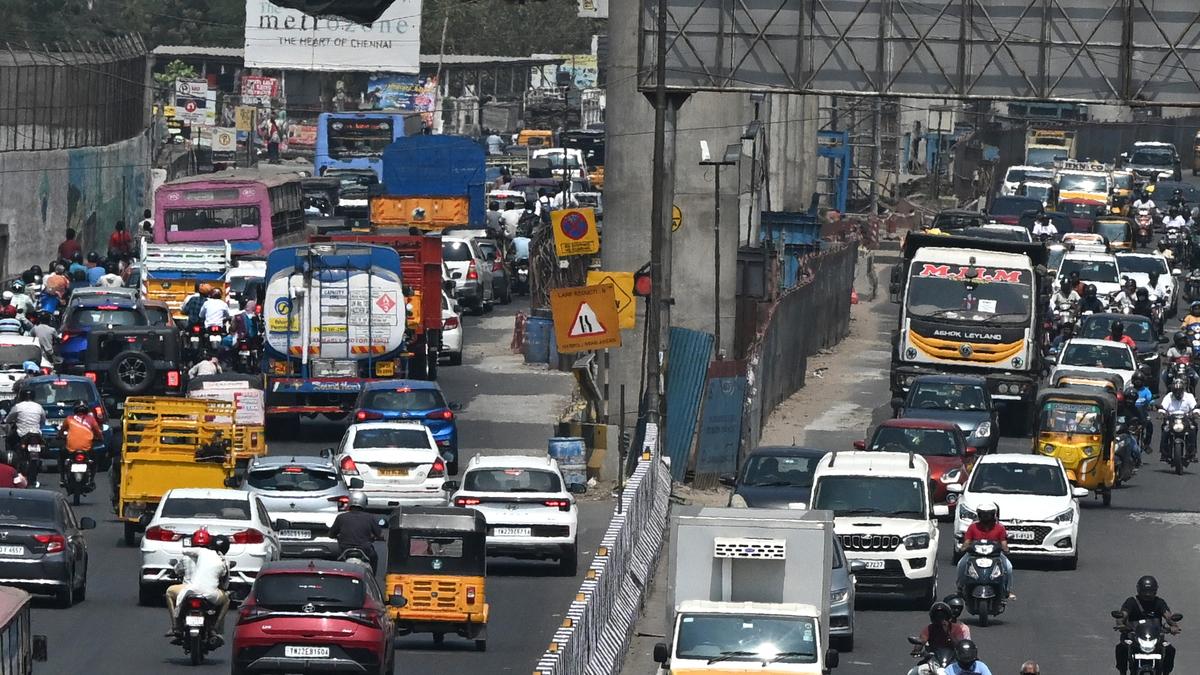
Chennai’s railway mobility network is undergoing a structural transition as Southern Railway accelerates the removal of manual level crossings, replacing them with grade-separated infrastructure aimed at reducing congestion, improving commuter safety, and enhancing train movement across the metropolitan region.
During the 2025–26 financial year, multiple level crossings across Chennai and adjoining suburban corridors were either removed or brought under redevelopment through road overbridges, road under bridges, and pedestrian subways. Railway officials said the initiative is part of a wider strategy to modernise ageing rail interfaces that continue to create delays, accident risks, and fragmented urban mobility in rapidly expanding neighbourhoods. The latest phase included the closure of several manually operated crossings within the city limits, with transport infrastructure upgrades reportedly crossing ₹100 crore in investment. Urban planners say such interventions are becoming increasingly necessary as Chennai’s suburban rail corridors witness rising commuter volumes alongside growing vehicular traffic around dense residential and commercial clusters.
One of the significant projects was completed near Chromepet, where a new subway connection improved movement between residential areas and the Grand Southern Trunk corridor. The redesign has reduced long traffic queues previously caused by repeated gate closures during peak suburban rail operations. Similar works have also been implemented in rail-linked growth centres beyond the city core, including industrial and logistics belts that depend heavily on uninterrupted road access. Transport analysts note that replacing level crossings with grade-separated infrastructure delivers long-term civic and environmental benefits. Reduced idling time at railway gates lowers fuel consumption and roadside emissions, while uninterrupted train operations improve network efficiency across passenger and freight services. In high-density cities such as Chennai, these projects are increasingly viewed as critical urban resilience measures rather than standalone railway upgrades.
However, commuter groups argue that infrastructure planning must move beyond engineering execution and incorporate accessibility concerns. Residents in western suburban neighbourhoods have raised demands for more inclusive pedestrian connectivity, especially around stations where overbridges require steep stair access. Senior citizens, persons with disabilities, daily wage workers, and schoolchildren often struggle to navigate elevated crossings that lack lifts, ramps, or seamless pedestrian integration.In areas such as Pattabhiram and Avadi, citizens continue to seek additional underpasses and subways to improve movement between residential settlements, transit hubs, and market districts divided by railway lines. Mobility advocates believe future railway modernisation projects should prioritise universal access standards alongside traffic decongestion targets.
Urban infrastructure experts also point out that railway crossing elimination projects influence surrounding real estate activity and local economic growth. Improved connectivity often increases land values and commercial viability near stations, but planners caution that transport upgrades must remain aligned with equitable urban development goals and public accessibility. As Chennai expands outward and rail dependency rises, the success of the city’s railway mobility transformation may increasingly depend on how effectively infrastructure investments balance operational efficiency with commuter-centric design and sustainable urban integration.