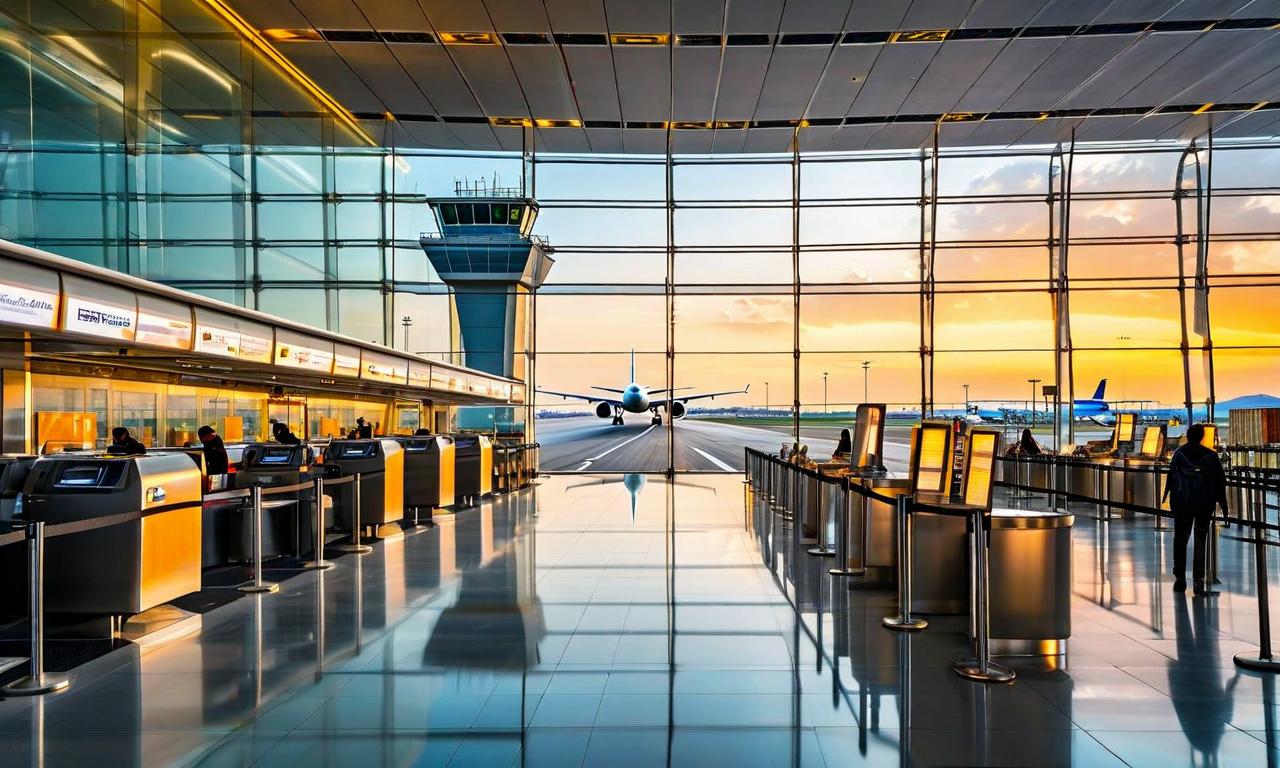
Navi Mumbai is poised to enter a new era in urban mobility and regional connectivity as its long-awaited international airport prepares to commence operations on 25 December. The launch is expected to ease pressure on Mumbai’s ageing aviation infrastructure while unlocking fresh capacity for one of the world’s fastest-growing air travel markets.
India has witnessed a rapid rise in domestic and international passenger volumes over the past decade, with traffic now surpassing pre-pandemic levels. Officials estimate that more than 170 million passengers travel annually through Indian airports, underscoring the scale of demand and the urgency for modern, resilient aviation facilities. The new Navi Mumbai International Airport (NMIA) forms a critical component of this expansion, adding capacity without overburdening the congested city core.
The greenfield airport is designed with two parallel runways, enabling simultaneous take-offs and landings an upgrade from Mumbai’s older, intersecting runway system that limits operational efficiency. In its first phase, NMIA will be able to handle around 20 million passengers a year, with a planned scale-up to nearly 90 million passengers once all four terminals are completed. “The additional runway capacity will reduce delays and significantly improve aircraft movement,” a senior civil aviation official said.Industry experts note that the airport’s location in Navi Mumbai aligns with the region’s long-term urban development plans, which prioritise balanced growth across the metropolitan region. Improved connectivity to the airport through new road corridors, metro extensions, and public transport links has also been positioned as an opportunity to promote lower-carbon travel choices for commuters. “Well-planned airport integration can support sustainable last-mile mobility and reduce pressure on existing corridors,” an urban transport planner observed.
Beyond aviation, the project is expected to influence economic development patterns across the Mumbai Metropolitan Region (MMR). The surrounding nodes in Navi Mumbai, including Ulwe, Dronagiri, Taloja, and Kharghar, have already seen heightened real estate interest as businesses and residents look towards emerging urban centres with better land availability and future-oriented infrastructure. Analysts caution, however, that the growth must be managed with attention to environmental sensitivity, as large-scale construction risks putting pressure on wetlands and coastal ecosystems.
The airport’s phased development includes provisions for energy-efficient building design, integrated transit hubs, and green landscaping. While these measures signal progress, experts emphasise that long-term sustainability will require strong governance and community participation. “A major urban gateway like this should work for all sections of society, ensuring accessibility, affordability, and ecological protection,” a regional planner said.With NMIA’s opening, the wider region is set to benefit from improved air connectivity, reduced congestion, and new opportunities in logistics, tourism, and commercial development. As Navi Mumbai steps into its expanded role, the challenge ahead lies in shaping growth that remains inclusive and climate-resilient key priorities for India’s next generation of cities.
Navi Mumbai Airport Opening On December Twenty Five To Boost National Aviation Capacity