Delhi Launches Rs 240 Billion Infrastructure Plan to Combat Traffic Woes
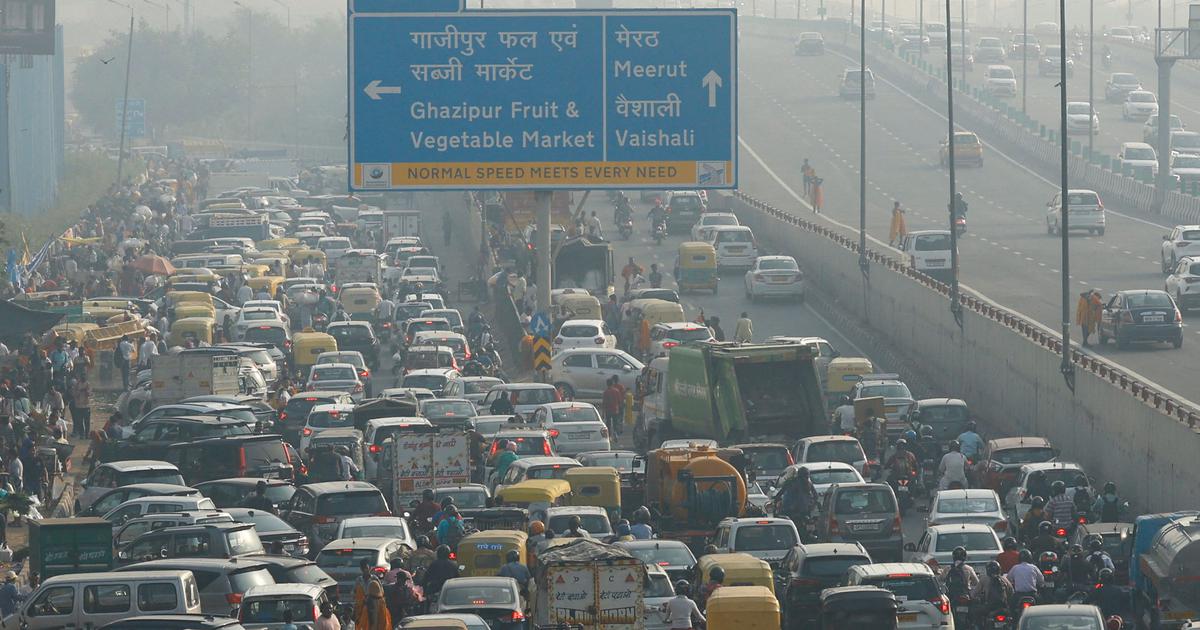
Delhi is embarking on a monumental Rs 240 billion infrastructure upgrade, jointly approved by the Centre and the Delhi government, to decisively tackle its persistent traffic congestion. This ambitious initiative involves nine major projects designed to streamline commuting, reduce air pollution, and significantly enhance connectivity across the sprawling capital. The comprehensive plan underscores a strategic commitment to transforming urban mobility for millions, aiming to create more efficient and sustainable city living.
The expansive plan includes a diverse mix of new tunnels, elevated flyovers, crucial metro line extensions, and upgraded arterial roads. Key projects feature the 12.3-kilometre extension of the Pink Line Metro from Majlis Park to Maujpur, completing its circular loop for seamless cross-city travel. Additionally, an elevated corridor between AIIMS and Mahipalpur Bypass, and a 5-kilometre tunnel linking Shiv Murti to Vasant Kunj, are set to drastically reduce congestion in critical zones, improving transit for daily commuters and freight alike.
These infrastructure investments are pivotal for fostering a truly sustainable and equitable urban future. By significantly easing traffic bottlenecks, the plan is expected to reduce vehicle idling time and fuel consumption, thereby lowering carbon emissions and improving air quality—a critical step towards Delhi’s eco-friendly goals. Enhanced connectivity also promotes social equity by providing more efficient and accessible transportation options for all residents, integrating various parts of the city and boosting economic activity.
Officials confirm that phased work will commence this year, with all projects slated for completion by 2027. This proactive overhaul, rather than a mere patchwork fix, promises to fundamentally transform Delhi’s daily commute. It represents a long-term vision for robust urban infrastructure, ensuring the capital’s continued growth is supported by efficient, environmentally conscious, and accessible transport networks for years to come.