


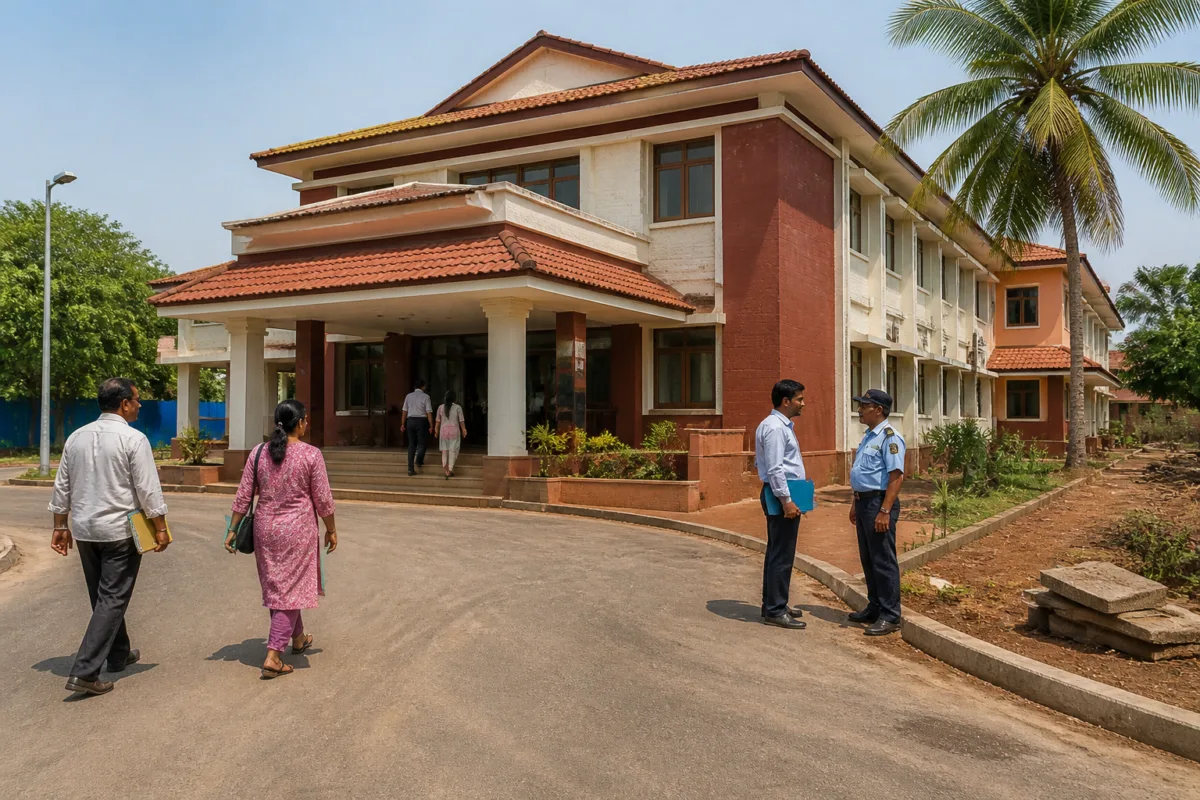
Nearly 11 months after Goa notified Kushavati as its third district with headquarters at Quepem, key district offices are still operating from locations outside the new district, according to a report by The Times of India, leaving residents uncertain about where to seek official services.
The notification, published in the Official Gazette on December 31, 2025, reorganised Goa into North Goa, South Goa and Kushavati under Section 3(1) of the Goa Land Revenue Code, 1968. Kushavati was carved out of South Goa and comprises the talukas of Quepem, Sanguem, Dharbandora and Canacona. The notification stated that the new district’s headquarters “shall be Quepem” and took effect on the date of publication.
However, the report says the administrative footprint has not shifted in line with the notification. Residents allege that the district collector continues to operate from Margao, the district registrar from Ponda, and other officials from different locations. This has created uncertainty over where district-level work is handled and has reportedly contributed to delays.
Azim Shaikh, a Quepem-based activist, said the government should have established district offices in Quepem, or at least within Kushavati, after designating the town as headquarters. He also pointed to delays in basic infrastructure, including the construction of a new Quepem police station building.
Shaikh said the district collector, additional collectors and district registrar had been appointed, but residents did not know where the officials were functioning. He also cited staff shortages and additional-charge arrangements that existed before Kushavati was created, saying the new district had added to the administrative burden.
Lawyer John Fernandes of Quepem similarly said the notification had produced little visible change for residents. He questioned the creation of the district without the facilities required to support its headquarters and said residents continued to depend on offices in Margao and other locations for district-level work.
The reported arrangement highlights the difference between notifying a new administrative district and making it operational on the ground. A district headquarters requires more than a legal designation: residents need identifiable offices, functioning public counters, adequate staffing and clear information on which authority handles each service.
For people across Kushavati’s four talukas, the continued dispersal of offices can mean additional travel, repeated visits and uncertainty over where applications or grievances should be submitted. The report does not include a response from the Goa government on the schedule for shifting offices, staffing arrangements or the infrastructure planned for Quepem.
Until those details are clarified, the new district remains administratively recognised but only partially established in physical and service-delivery terms.

