


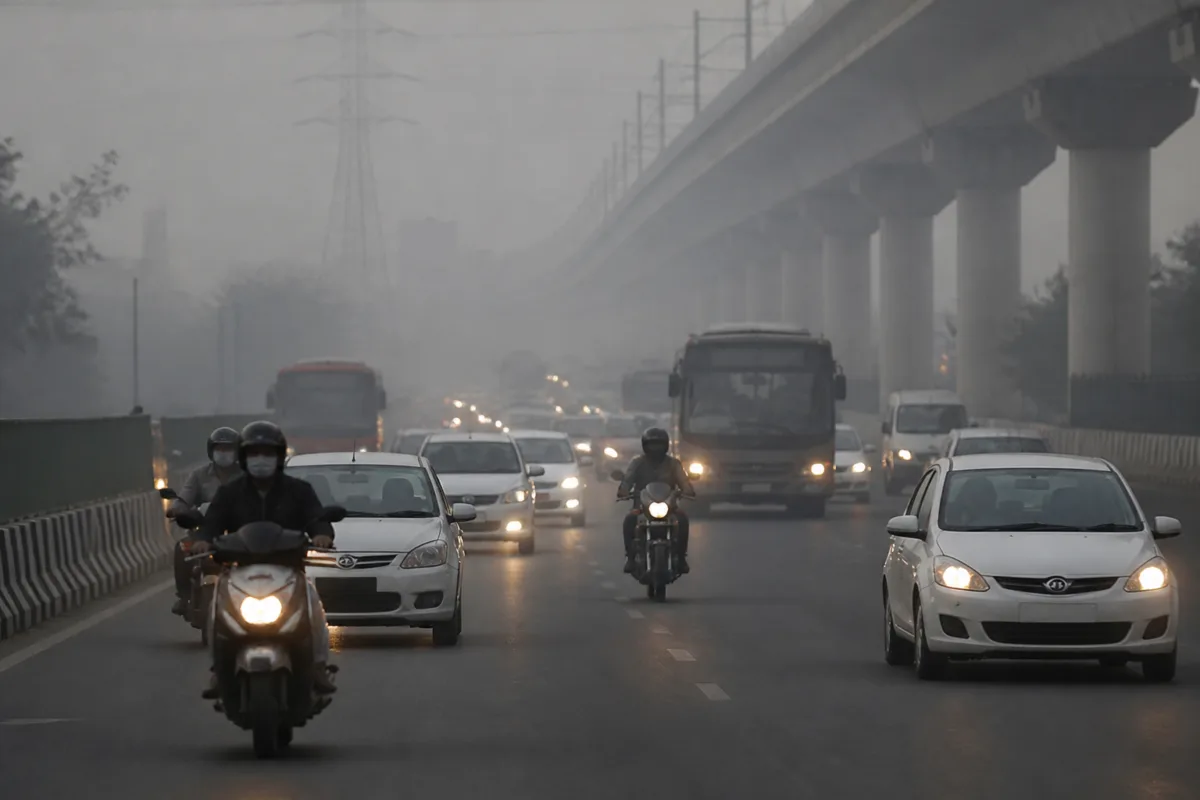
Delhi-NCR air pollution intensified on Friday morning, 6 November, as several locations in Delhi, Noida and Greater Noida recorded reported Air Quality Index readings above 700, with Greater Noida reaching 773, according to a report by Jagran. Dense haze and smog covered the region, reducing visibility and raising concerns over breathing difficulties and other health symptoms.
The deterioration was reported on Dhanteras morning across the national capital and neighbouring parts of Uttar Pradesh. Residents experienced a thick layer of haze despite a forecast of clear skies and sunshine during the day. The maximum temperature was expected to reach 30 degrees Celsius, while the minimum temperature was forecast at 18 degrees Celsius.
The reported pollution levels were accompanied by complaints of throat irritation, breathing discomfort and burning eyes. Health experts cited in the report advised older people, children and those with respiratory conditions to take particular care and avoid going outdoors during the morning, when the haze was especially dense.
The episode affected both Delhi and the adjoining urban areas of Noida and Greater Noida, highlighting the connected nature of the region’s air basin. Pollution and visibility conditions do not follow municipal boundaries, leaving residents who travel between the capital and satellite cities exposed to similar conditions during daily commutes.
Visibility conditions were also being monitored at Indira Gandhi International Airport. Runway visibility at the airport was recorded between 1,300 metres and 1,700 metres during Friday morning, while normal visibility was described in the report as being around 1,000 metres. No major impact on flight operations had been reported at the time of publication, although haze remained present in the area.
The reported AQI readings place the focus on the immediate health and mobility effects of the pollution episode. Reduced visibility can complicate travel conditions, while prolonged exposure to polluted air can be particularly difficult for people with existing respiratory problems. The report did not identify a single cause for the deterioration or provide a breakdown of the contribution from local emissions, weather conditions or pollution transported across the region.
Authorities were monitoring the situation, according to the report. Residents in affected areas were advised to limit morning outdoor activity, with vulnerable groups urged to exercise additional caution until conditions improve. Further changes in air quality, visibility and travel conditions will determine the next operational response across Delhi, Noida and Greater Noida.

