


The reported offer by Iran to reopen the Hormuz Strait within seven days if the United States reduces military pressure and lifts a blockade on Iranian ports has turned a geopolitical confrontation into a test of global energy resilience. The immediate issue is not only whether one strategic waterway will reopen, but how quickly fuel-dependent economies and cities can absorb a disruption when the movement of oil, gas and other commercial cargo falls sharply.
According to a Reuters report cited by Aaj Tak Business, an Iranian official said Tehran could fully reopen the strait within seven days if Washington takes specific steps. These include reducing military pressure, lifting the blockade on Iranian ports, officially clarifying that it wants a diplomatic solution and agreeing to a timeline for that process. The proposal, the report said, had already been submitted to the United States on 16 September.
The condition remains a diplomatic position, not a confirmed reopening plan. The supplied report does not establish that the United States has accepted it, that a formal agreement has been reached or that shipping will resume within seven days. That distinction is important because the economic effect of the crisis is being shaped by actual vessel movements, not only by statements from governments.
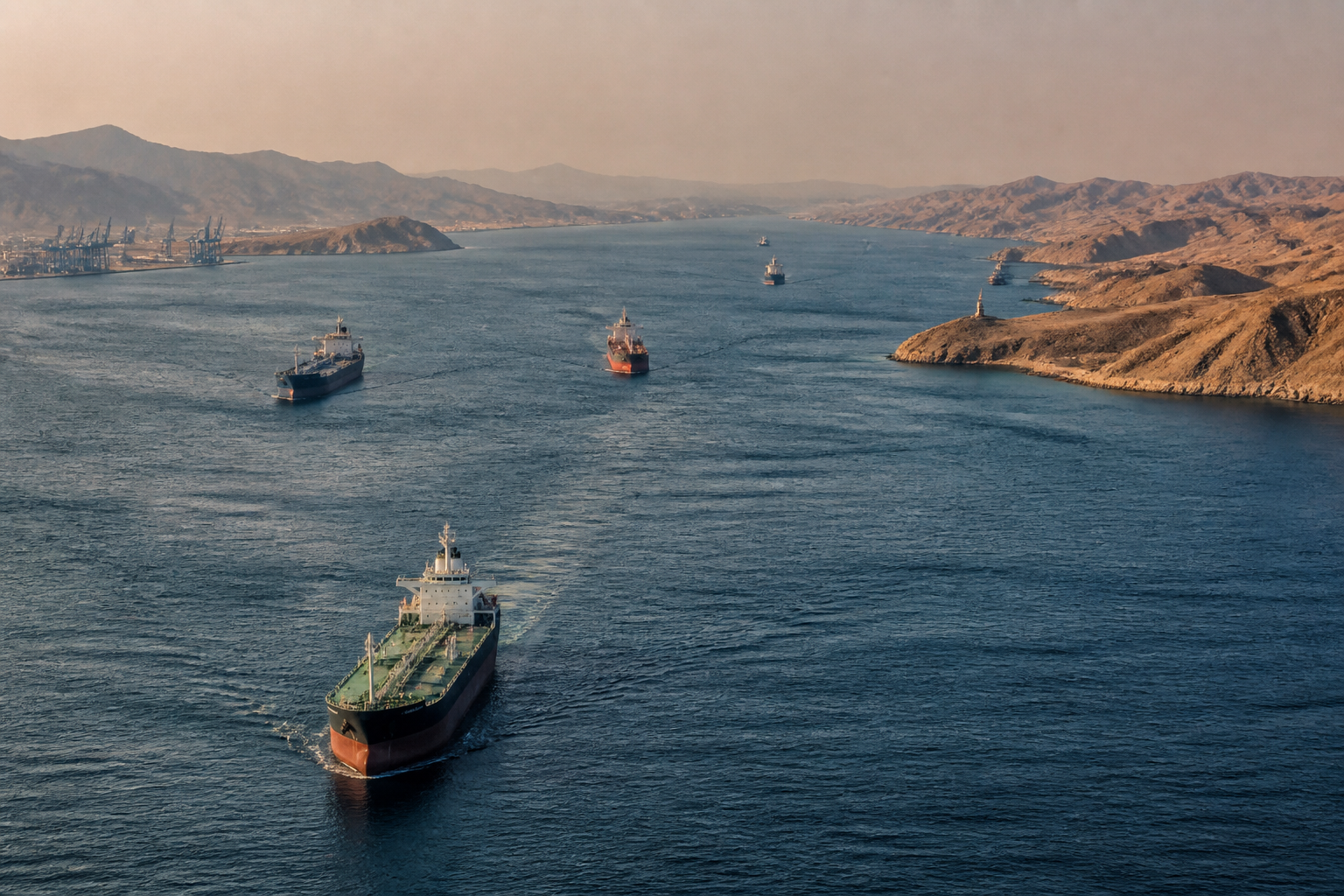
The Hormuz Strait is a narrow maritime route between the Persian Gulf and the Gulf of Oman. The report describes it as a route connected to approximately 20% of the world’s daily crude oil and liquefied natural gas supply. It also says that, before the reported US-Iran war began, approximately 125 large commercial vessels crossed the strait each day. These included oil tankers, gas carriers, bulk carriers and container ships.
The reported decline in traffic is therefore more significant than a temporary delay affecting one category of cargo. It represents a simultaneous contraction in the movement of energy and commercial goods through a route that serves as a central connection between producing regions and international markets. When such a route becomes difficult or unsafe to use, the consequences can move through prices, transport systems and household budgets even before a formal shortage is recorded.
The report says that vessel movement has fallen to two large commercial ships a day from the usual level of around 125 before the conflict. It also separately states that cargo-ship traffic fell from 10 vessels on the previous day to two on Monday. The two figures describe different comparisons and should not be treated as identical measures. Together, however, they indicate the scale of the reported disruption and the pressure on one of the world’s busiest energy corridors.
For cities, the importance of the strait lies in their dependence on uninterrupted flows of fuel and electricity-related inputs. Urban systems are built around daily movement: buses, taxis, delivery vehicles, construction equipment, emergency services and freight networks all require energy. The supplied report specifically links the conflict to a rise in crude oil prices and says that fuel-price increases and inflation have affected countries dependent on crude imports. It does not provide country-specific price data, but the transmission mechanism is clear in the account: disruption at the maritime chokepoint increases pressure on the cost of fuel and, in turn, on the cost of mobility and goods.
This is why a shipping crisis can become an urban crisis without a vessel entering a city. Ports connect cities to national and global supply chains, while roads, public transport and distribution networks carry the effects inland. Higher fuel costs can raise the operating burden for freight and passenger transport. They can also increase the cost of moving construction materials and everyday goods. The supplied report does not quantify these effects, and it would be premature to assign a specific increase to any city. But the reported relationship between the disruption, crude prices and inflation places urban affordability at the centre of the story.
The seven-day condition also reveals the institutional complexity behind the route. The strait cannot be treated only as a shipping lane whose status is determined by commercial operators. Its operation is linked to military activity, port access, diplomatic negotiations and decisions by regional states. The Iranian military central command was reported to have warned that the United States might resume military operations with support from regional countries. Iranian officials also warned that Tehran would respond without limits or consideration if such action took place.
That warning makes the proposed seven-day reopening conditional on a wider political process. The report says the Iranian president, Masoud Pezeshkian, travelled to New York for the United Nations General Assembly but would not meet US President Donald Trump. It also says that Iranian representatives had authority to restart diplomacy through intermediaries. These details show that the shipping question is embedded in negotiations over military pressure, port access and a possible diplomatic settlement rather than being an isolated maritime decision.
For infrastructure planners, the reported collapse in traffic raises a basic resilience question: how much dependence can be concentrated in a single route before a security crisis becomes an economic shock? The supplied material does not provide alternative-route capacity, stock levels, reserve data or government contingency plans. It therefore cannot establish how long affected economies could withstand the disruption or whether alternate supply channels can compensate for the decline.
What the evidence does establish is the difference between nominal global connectivity and operational connectivity. A route may be open on a map while becoming commercially unusable because ships, insurers, ports or cargo owners judge the risk too high. The fall from approximately 125 large commercial vessels a day to two, as reported, illustrates how security conditions can reduce effective capacity without a formal closure being announced.
This distinction matters for cities because urban infrastructure depends on reliability, not merely on the existence of physical networks. A road, port, pipeline or power-related supply chain may have sufficient design capacity in normal conditions but remain vulnerable to a sudden interruption at one upstream point. The Hormuz episode, as described in the report, places that vulnerability at the maritime end of the urban supply system.
The policy choices visible in the report are primarily diplomatic and military. Iran is seeking reduced military pressure, removal of the reported blockade on its ports and an official US commitment to diplomacy within an agreed timeline. The United States and regional countries are described as considering or supporting possible military action, but the supplied material does not include an official US response to the Iranian condition. Nor does it provide a statement from shipping companies, port authorities or energy-importing governments.
That absence limits what can responsibly be concluded. The report supports the view that the crisis has already disrupted shipping and contributed to pressure on oil prices. It does not confirm that the strait will reopen, that the diplomatic proposal will be accepted or that traffic will return immediately to its earlier level. Even if a reopening were announced, the recovery of commercial movement would depend on how operators assess safety and how quickly cargo systems regain confidence.
The numbers in the report provide the clearest measure of the immediate problem. A route associated with about 20% of daily crude oil and liquefied natural gas supply is reported to have seen large commercial traffic fall from about 125 vessels a day to two. The Iranian proposal adds a possible seven-day timeline, while the report places the diplomatic offer against a conflict that began with US air strikes on 28 February. These figures describe a supply route under severe pressure, but they do not by themselves predict the duration or final economic cost of the disruption.
The larger urban question is whether cities and national governments treat energy security as a transport issue, a fiscal issue or a resilience issue. The report suggests that it is all three. Fuel prices affect mobility and household costs; crude disruptions affect inflation; and reduced maritime traffic exposes the dependence of urban economies on infrastructure located far beyond municipal boundaries.
The evidence currently confirms a sharp reported reduction in commercial traffic through the Hormuz Strait and an Iranian offer tied to diplomatic and military conditions. It does not confirm a reopening agreement or establish the specific impact on any Indian city. The developments that require monitoring are the United States’ response, the status of the reported blockade, further military activity, the movement of vessels through the strait and whether the seven-day reopening condition advances from a reported proposal to an implemented arrangement.
