


Karnataka will take a series of measures to prevent power shortages during drought conditions, including arranging electricity through power exchanges, purchasing additional supply if required and expanding its transmission infrastructure, Energy and Tourism Minister K.J. George said on Tuesday.
Speaking to reporters after attending the Bengaluru roadshow for the Bharat Renewable Energy Summit and Expo 2026, George said the state had not faced a power shortage so far and that a plan was being prepared to maintain supply in the coming months.
The minister said Karnataka had obtained electricity from Uttar Pradesh, Punjab and Haryana through an exchange arrangement during the previous summer. That supply was returned between June and September, and Karnataka is expected to seek electricity from the same states again in the coming period. If the anticipated supply is not available, the state will purchase electricity from other sources, he said.
“Whatever the cost of purchase, the government is ready to bear it,” George said, according to the statement reported by Prajavani.
He said agricultural pump sets had not faced power cuts despite the drought. Some short-duration interruptions were being reported in areas without last-mile connectivity, he said, adding that the government was focusing on improving the final links in the distribution network.
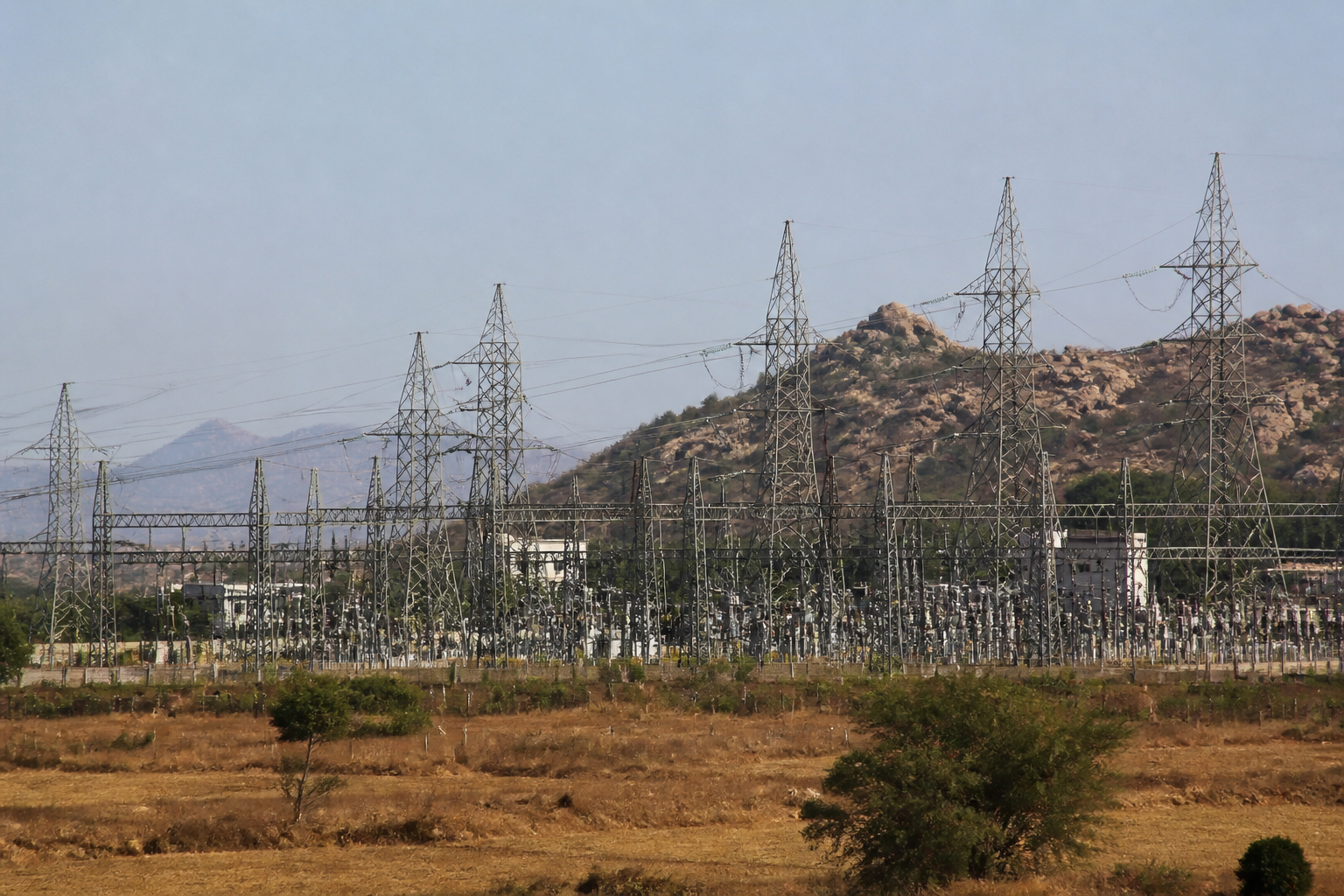
Karnataka is constructing 12 substations during the current financial year, while a plan is being prepared to build about 400 substations over the next two to three years. The programme will also include installing new electricity lines and upgrading existing ones, George said.
The minister also defended the proposed use of pumped-storage projects, saying they would help address the gap between renewable power generation and periods of peak demand. Karnataka’s current electricity demand is about 18,000 megawatts, according to George, with around 70% supplied by renewable energy sources.
He said renewable power was mainly available during daylight hours and that pumped-storage facilities would allow electricity to be stored and supplied during periods of higher demand. Some groups have opposed the projects, he said.
George said proposed projects would be sent for approval to the state pollution control board and wildlife board before being forwarded to the Union Ministry of Environment, Forest and Climate Change. Projects would be implemented only if the required approvals were secured, he said.
On the review of the Gruha Jyothi free-power scheme, George said 65% to 70% of the verification process had been completed. The deadline for the review has been extended until the end of September. He said consumers who did not want the scheme’s benefit would not need to submit the requested documents, while eligible beneficiaries would not be removed from the programme.
