Pune Eyes German Partnership For Greener Urban Growth
Pune: Pune is exploring a structured partnership with three German cities to address some of its most pressing urban challenges, including mobility, waste management, infrastructure and technology. Discussions between Pune Municipal Corporation officials and representatives from Raunheim, Rüsselsheim and Kelsterbach could also open a route for local micro, small and medium enterprises to access European markets, linking civic cooperation with broader economic opportunities.
The discussions centre on four areas: MSME development, circular-economy practices, urban planning and transportation. A proposed 12-month programme would help Pune-based businesses understand German market requirements, develop entry strategies and establish connections with European customers and commercial partners. For Pune, the urban component could be more consequential than the international branding attached to a city partnership. Rapid expansion has placed pressure on roads, public transport, waste collection and other municipal systems. International cooperation can be useful when it brings tested approaches that can be adapted to local conditions rather than simply transferred without considering Pune’s scale and density. Waste management is one area where that distinction will matter. Discussions have included segregation, recycling, waste-to-energy systems and biogas. These approaches can reduce the amount of material sent to landfills, but their effectiveness depends on reliable segregation at source, collection systems and markets for recovered materials. Energy recovery should also complement, rather than replace, efforts to reduce waste and increase recycling.
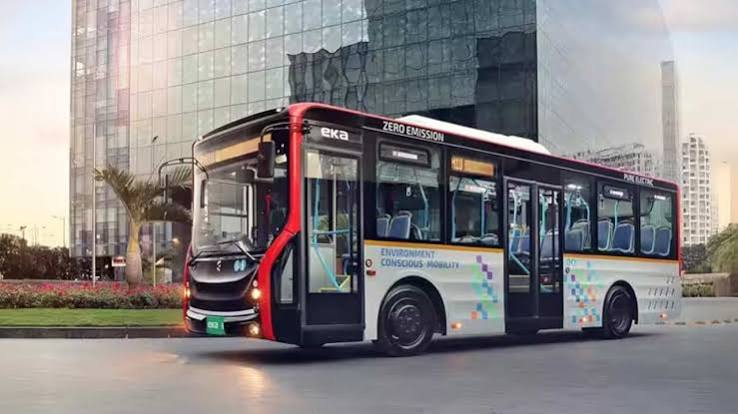
Mobility presents another major test. Pune’s growing employment centres and expanding residential areas have increased daily travel demand. Urban planners say cooperation on transport should focus on public and shared mobility, safer walking and cycling routes, and better connections between different modes. Increasing road capacity alone is unlikely to address congestion over the long term. The proposed economic link could give the partnership a second dimension. Pune’s manufacturing, technology, education and start-up sectors provide a base for smaller businesses seeking international customers. For MSMEs, however, entering European markets can involve regulatory, financing and compliance barriers. Practical support on these issues would determine whether the proposed programme delivers measurable economic value.
The partnership remains at the discussion stage. Officials are expected to examine specific programmes, institutional arrangements and nodal teams responsible for coordinating future work. No single initiative has yet established the scale, funding or implementation timeline of the proposed cooperation. The next phase will therefore be measured by outcomes rather than the partnership itself. For Pune, meaningful international collaboration would need to translate into cleaner resource systems, more accessible mobility and stronger opportunities for smaller businesses while fitting within the city’s existing infrastructure and environmental capacity.