Pune Noise Debate Puts Festival Planning Under Scrutiny
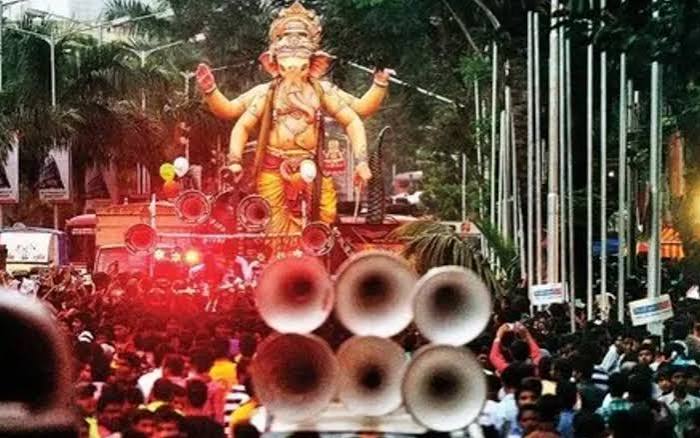
Pune: A growing dispute over high-volume music during Pune’s Ganeshotsav has brought noise pollution, public-space management and civic enforcement back into focus ahead of this year’s festival. A Narayan Peth resident and environmental campaigner has challenged the use of high-powered DJs and loudspeakers, while wider citizen complaints have prompted scrutiny from national and environmental authorities.
The issue is larger than one resident’s objection. Pune’s annual celebrations draw large crowds onto roads and neighbourhoods, placing competing demands on public space. The question now is how the city can protect the cultural character of the festival while ensuring that residents are not exposed to excessive sound or denied safe access to their streets. The campaigner came into wider public attention after raising concerns during civic discussions on festival preparations. His position has centred on controlling high-decibel sound and reconsidering how processions and public celebrations use roads. His arguments have since triggered a broader public conversation about the changing scale of Pune’s festivities. That debate comes as the Pune noise pollution issue faces increased institutional scrutiny. The National Human Rights Commission has directed the Maharashtra Pollution Control Board to submit an action-taken report following a complaint alleging violations of prescribed noise limits during Ganeshotsav.
The regulatory framework is not new. Maharashtra’s pollution-control authority maintains records of noise monitoring during Ganesh festivals and publishes the applicable Noise Pollution (Regulation and Control) Rules. Previous monitoring in Pune has examined sound levels around hundreds of festival locations and traffic junctions, showing that noise management is a measurable urban-governance issue rather than simply a matter of competing preferences. The implications extend beyond sound levels. Large processions can affect traffic circulation, pedestrian movement, emergency access and local businesses. Pune’s municipal guidelines for this year’s celebrations have already called for roads and footpaths to remain clear and for temporary structures not to obstruct traffic or emergency movement. There is also an equity dimension. Excessive sound does not affect every resident in the same way. Older people, children, people working irregular hours and residents living close to procession routes can face prolonged disruption. At the same time, sound and event-service businesses depend on festival activity for seasonal income, making predictable and enforceable rules important for both citizens and workers.
For Pune noise pollution to be addressed effectively, enforcement will matter as much as regulation. Clear sound limits, real-time monitoring, transparent complaint mechanisms and coordinated action between civic and police authorities could reduce conflict while allowing celebrations to continue. With Ganeshotsav approaching, the immediate test is whether Pune can manage its public celebrations as part of a liveable city — protecting cultural traditions while keeping streets accessible, neighbourhoods healthy and public space usable for everyone.