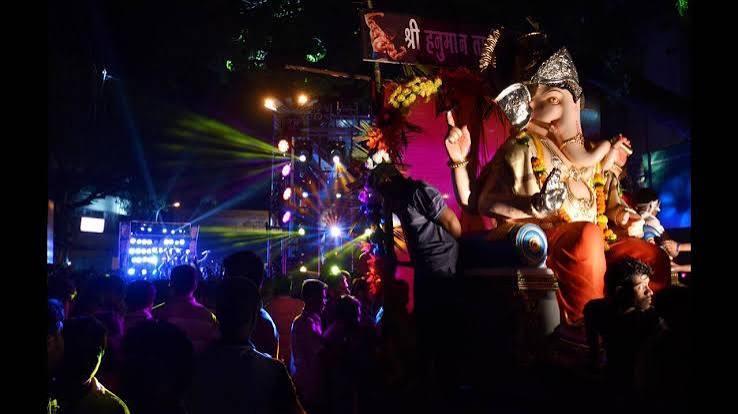
Pune Faces Growing Noise Concerns Ahead Of Ganeshotsav
Pune, August 31, 2026: A growing public dispute over festival noise has emerged in Pune ahead of Ganeshotsav, with residents calling for restrictions on high-decibel music and DJ systems during processions. The campaign has brought renewed attention to how India’s major cultural festivals can balance public celebration with neighbourhood health, environmental quality and the right to live without excessive noise.
The Ganesh festival begins on September 14, with immersion processions expected to draw large crowds across the city. Residents who participated in a recent demonstration near Goodluck Cafe Chowk said prolonged exposure to loud sound systems has become particularly difficult for people living along procession routes. Some protesters said the problem extends beyond temporary inconvenience. They reported physical discomfort and said some residents leave Pune during the busiest festival days to avoid sustained noise. Their demand is for a complete prohibition on DJ systems during the celebrations rather than tighter controls on volume alone. The issue also raises questions about how Pune manages public spaces during large cultural events. Noise from amplified music can affect residential neighbourhoods, hospitals, schools, workplaces and elderly residents differently. Urban planners note that enforcement becomes harder when several sound sources operate simultaneously across densely populated areas.
Representatives of Ganesh mandals have pushed back against what they regard as selective scrutiny. They have argued that pollution concerns in Pune extend beyond festival sound, pointing to the condition of the Mutha river and other persistent environmental problems. At the same time, mandal representatives have indicated that organisers are prepared to modify sound practices. Some groups have decided against using particularly powerful sound equipment and have said they will follow the restrictions and directions issued by civic and administrative authorities. For Pune, the immediate challenge is enforcement. Regulations on permissible noise levels have limited value if monitoring is inconsistent or complaints are addressed only after violations occur. A more predictable system could involve clearly designated procession routes, calibrated sound limits, real-time monitoring and rapid response teams during peak events.
The debate also reflects a wider urban planning challenge. Festivals bring substantial cultural and economic activity, supporting local vendors, transport workers, artisans and small businesses. Yet their benefits need to coexist with basic urban services and public health protections. A workable approach would therefore focus on managing sound rather than restricting cultural participation. Transparent rules, advance communication with residents and organisers, and consistent enforcement could reduce conflict while allowing the festival to remain accessible. As Pune prepares for another major Ganeshotsav, the outcome will depend on whether authorities and organisers can turn competing demands into practical arrangements that protect neighbourhoods without undermining the public character of the celebration.