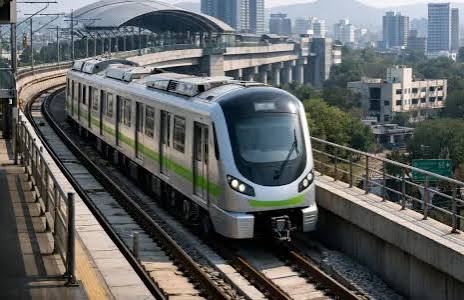
Pune Metro Line Three Nears September Passenger Launch
Pune Metro Line Three is moving towards the start of passenger operations in September, bringing a new mass-transit corridor closer to service for commuters across the city’s western and north-western growth belt. The development is significant for Pune’s expanding urban economy, where increasing road congestion is putting pressure on travel times and highlighting the need for reliable alternatives to private vehicles.
The corridor is being developed by the Pune Metropolitan Region Development Authority (PMRDA) and is expected to strengthen public transport connectivity across areas that have experienced rapid residential, commercial and employment growth. Its opening would add capacity to Pune’s wider metro network and create additional options for daily commuters. The timing is important as development continues to spread beyond the traditional city core. Areas along the metro alignment have seen substantial construction activity, including housing, offices and institutional developments. Better mass-transit access could influence how residents choose to travel and, over time, affect development patterns around stations. For commuters, however, the value of a new metro line will depend on more than the trains themselves. Last-mile connectivity will be critical. Safe pedestrian routes, feeder buses, cycle access, accessible station entrances and convenient interchange facilities can determine whether residents can use the system without relying on private vehicles for the first and final parts of their journey.
Urban transport experts also point to the importance of service frequency and integration. A metro corridor can reduce pressure on roads only when it forms part of a connected public transport system. Coordinated bus services and easy transfers can help extend the effective catchment of stations, particularly for residents living beyond walking distance. The project also has implications for Pune’s environmental footprint. Transport remains a major contributor to urban emissions, and shifting even a portion of daily journeys from private cars and two-wheelers to electric mass transit can support cleaner mobility. The broader benefit will depend on sustained ridership and whether future urban growth is planned around public transport rather than simply alongside it.
The September target therefore represents more than an infrastructure milestone. It will provide an early test of how effectively Pune can convert large-scale transport investment into everyday mobility gains. As the line approaches operations, attention will shift towards commissioning, passenger readiness and integration with existing services. For the city, the measure of success will ultimately be whether the new corridor makes daily journeys faster, safer and more predictable while supporting a less vehicle-dependent pattern of urban growth.