Bengaluru Elevated Road Toll Future Hangs In Balance
The concession agreement governing the 9.9-km Electronics City elevated road is due to expire on September 10, putting the future of toll collection on one of Bengaluru’s busiest technology corridors under review. The Centre is considering several options, including ending the existing toll arrangement, retaining collection under the national highway authority or transferring the corridor to Karnataka.
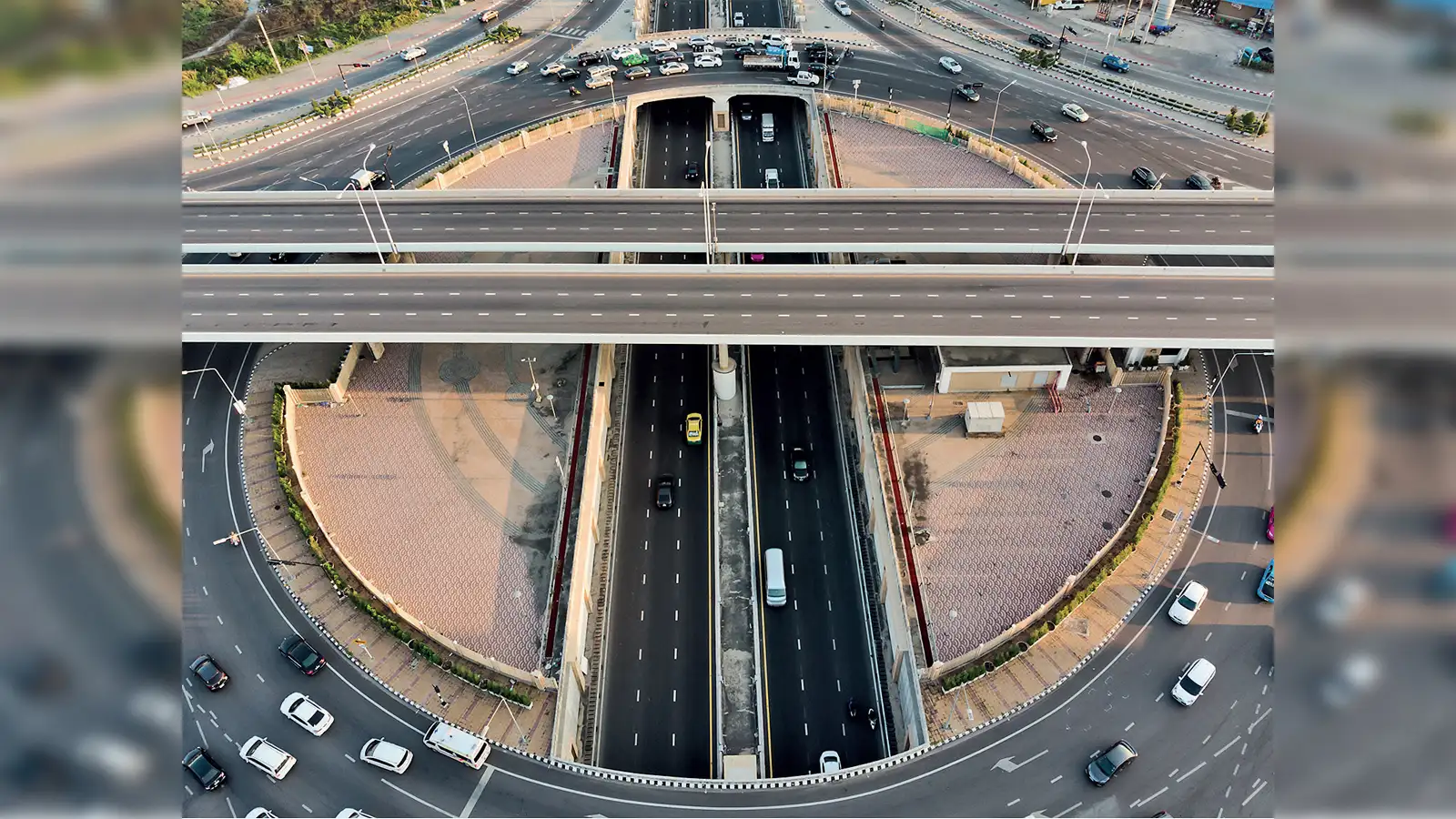
The elevated road connects Central Silk Board Junction with Electronics City and forms part of the Bengaluru–Hosur corridor towards the Karnataka-Tamil Nadu border. Built under a build-operate-transfer model, the project was developed at a reported cost of about Rs 990 crore and opened to traffic in 2010. The immediate decision is significant for thousands of commuters who use the corridor to access Electronics City and surrounding employment districts. The toll has long been part of the road’s operating model, but Bengaluru’s expansion has changed the context in which the elevated route functions.
The Union Ministry of Road Transport and Highways and the National Highways Authority of India are examining four broad possibilities: ending toll collection at the Electronics City and Attibele plazas, allowing NHAI to collect tolls for maintenance, transferring the road to Karnataka’s Public Works Department or relocating one of the toll plazas. The location of the two toll plazas has itself become an issue. Officials are examining whether one should be shifted because the existing plazas are relatively close together. Any relocation would require consideration by the relevant toll committee and compliance with national highway rules governing the spacing of toll plazas. For commuters, however, the larger question is what toll revenue delivers in return. The elevated corridor requires continued maintenance not only of the structure but also of the surface road, drainage systems, subways and associated infrastructure.Ending toll collection without establishing a reliable maintenance mechanism could create a different infrastructure challenge.
The financial history of the project adds another layer. The concessionaire has reportedly sought compensation over revenue losses associated with disruptions to toll collection and has sought an extension of the collection period. Any decision on the concession will therefore need to account for outstanding financial and contractual issues. The current toll structure also affects travel costs. Rates revised from July 1 include a Rs 65 single-trip charge for cars, jeeps and vans on the elevated section, while two-wheelers also pay tolls. The adjoining Attibele section carries a separate charge. From an urban-mobility perspective, toll policy should be considered alongside public transport. Electronics City is increasingly connected to Bengaluru’s expanding metro network, making it possible to examine whether road pricing and mass transit can work together to manage congestion rather than treating them as separate systems. The corridor’s future also has implications for climate resilience. Drainage and structural maintenance are essential during Bengaluru’s intense monsoon spells, particularly on elevated and surface road infrastructure.
The September 10 deadline therefore represents more than the end of a concession agreement. It is an opportunity to reassess how a mature urban transport asset should be financed, maintained and integrated into Bengaluru’s evolving mobility network. The final decision will need to balance commuter costs, infrastructure upkeep, contractual obligations and the city’s longer-term shift towards more efficient public transport.