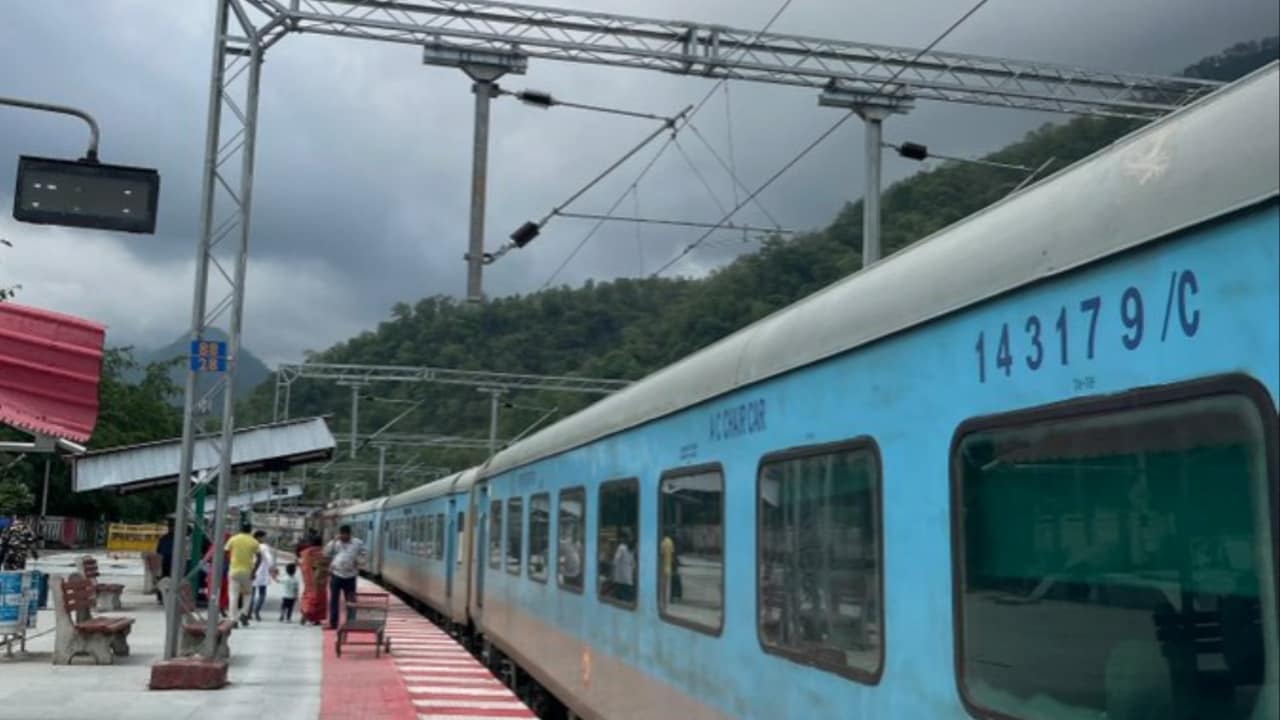
Bengaluru Rail Network Misses Centre Quadrupling Plan
Bengaluru’s exclusion from a proposed national railway quadrupling programme covering about 11,000 km has triggered fresh concerns over the city’s long-term rail capacity. The development comes as passenger and freight movement around Karnataka’s capital continues to expand, raising questions about whether existing railway infrastructure can keep pace with the city’s economic and urban growth. The proposed national programme focuses on expanding railway capacity on heavily utilised corridors by adding additional tracks.
Bengaluru has reportedly not been included in the current list of corridors identified for quadrupling, prompting criticism from Karnataka representatives. The criticism reflects a state-level position and does not establish that Bengaluru will remain outside future phases of the programme. Rail capacity is becoming increasingly important for Bengaluru because the city is not only a major passenger destination but also part of a wider freight and regional transport network. Additional tracks can allow passenger and freight services to operate with fewer conflicts, potentially improving frequency and reducing delays. The issue becomes more significant as Bengaluru’s metropolitan footprint expands beyond its traditional core. Employment, housing and industrial activity are spreading towards peripheral areas, increasing demand for connections between the city and surrounding towns. Railways can provide high-capacity regional mobility without requiring the same road space as equivalent private-vehicle movement. The absence of additional capacity could also affect the city’s ability to shift more journeys from roads to rail. Bengaluru already faces persistent congestion, while the expansion of suburban rail and metro systems requires integration with the existing railway network. Mainline capacity is therefore an important component of the city’s wider public transport ecosystem. Quadrupling, however, is not automatically the answer for every corridor. Track expansion requires substantial land, capital, construction and environmental assessment. The most effective approach would be to prioritise sections where demand, operational constraints and future growth justify additional capacity, while improving signalling and train management where those measures can deliver benefits without major land acquisition.
The economic implications extend beyond commuters. Faster and more reliable freight movement can reduce logistics costs for businesses and improve connections between industrial areas, ports and consumption centres. Bengaluru’s technology, manufacturing and services economy depends on dependable regional and national connectivity. There is also a climate dimension. Electrified rail can carry large passenger and freight volumes with substantially less road-space demand than individual motor vehicles. Strengthening rail capacity can therefore complement efforts to reduce transport emissions, provided new infrastructure is planned alongside efficient land use and public transport access. For Bengaluru, the immediate question is whether heavily used corridors serving the city will receive sufficient capacity upgrades as national railway planning progresses. Transparent demand assessments and long-term passenger and freight forecasts will be important in determining where investment delivers the greatest public benefit. The debate highlights a wider planning challenge: Bengaluru’s infrastructure needs cannot be considered separately across metro, suburban rail, highways and regional rail. Coordinating these systems will be essential as the metropolitan economy continues to grow.
If railway capacity is to keep pace with Bengaluru’s expansion, future investment decisions will need to look beyond today’s bottlenecks and account for the city’s projected population, employment and freight requirements. Building that capacity early could help prevent today’s congestion from becoming tomorrow’s structural constraint.