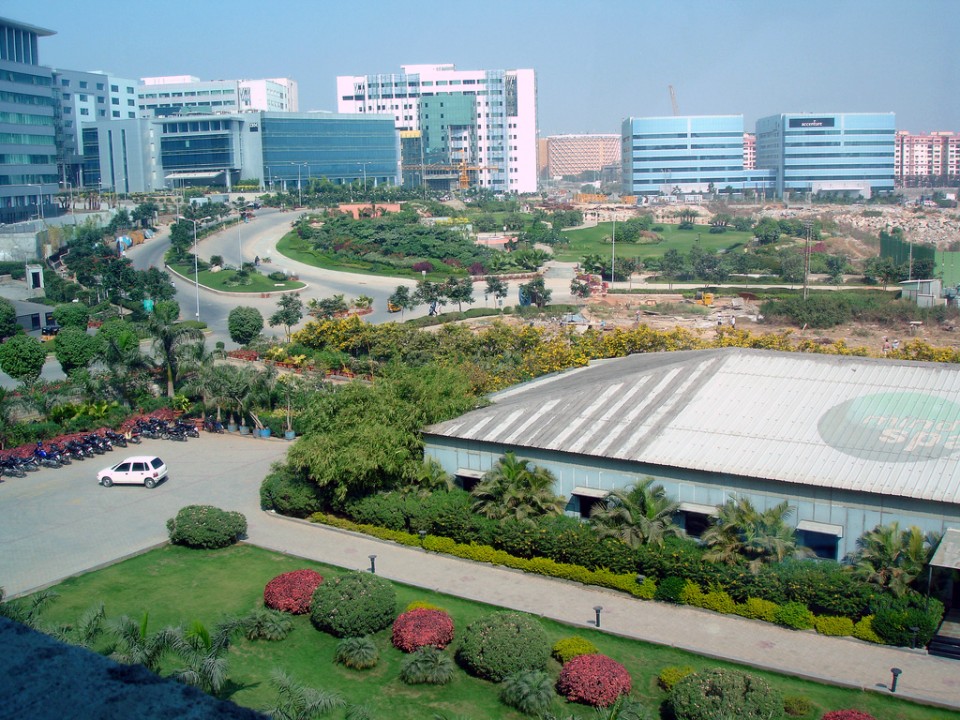
Hyderabad Growth Puts Urban Sustainability In Focus
HYDERABAD: Hyderabad’s rapid expansion is increasingly raising questions about how new housing and commercial development can keep pace with climate pressures, resource constraints and residents’ expectations for liveable neighbourhoods. As construction spreads across multiple growth corridors, concerns around heat, water security, waste management and open spaces are becoming central to the city’s long-term development outlook.
The debate comes as Hyderabad continues to attract investment, employment and new residential projects. Expansion has strengthened the city’s economic base and improved infrastructure in several areas, but it has also increased pressure on natural resources and civic systems. Urban growth is often measured through new buildings, roads and commercial projects. Yet the quality of development also depends on how efficiently those assets use water and energy, how they respond to extreme weather and how effectively they integrate with surrounding communities. For residential neighbourhoods, heat resilience is becoming particularly important. Hyderabad experiences increasingly intense summer conditions, making building orientation, shading, ventilation and landscaping relevant not only to environmental performance but also to household comfort and energy consumption.
Water management presents another long-term challenge. New housing clusters increase demand for drinking water while also generating wastewater and stormwater. Better rainwater management, efficient fixtures, wastewater treatment and protection of natural drainage systems could reduce pressure on municipal networks as development intensifies. The sustainability discussion is also moving closer to homebuyers. Property seekers are increasingly considering factors such as open spaces, air quality, water availability, maintenance standards and the ability of homes to remain comfortable during extreme weather. These considerations can influence both residential quality and the long-term value of properties. For developers, this shift could change how projects are planned and marketed. Sustainability is increasingly linked to practical features rather than simply energy-efficient technology. Shaded outdoor areas, natural ventilation, greenery, waste segregation and efficient water systems can affect everyday living while reducing pressure on local resources.
The wider challenge is ensuring that individual projects contribute to healthier neighbourhoods rather than functioning as isolated developments. Transport access, public spaces, drainage, waste systems and access to essential services need to be considered alongside the buildings themselves. Hyderabad’s growth therefore presents both an economic opportunity and a planning test. Continued construction can support jobs, investment and housing supply, but its long-term success will depend on whether infrastructure and natural resources can support that expansion. For a city facing hotter summers and rising urban demand, sustainability is increasingly becoming a measure of development quality. The next phase of Hyderabad’s growth will need to focus not only on how much the city builds, but on how well those neighbourhoods function for residents over decades