Bengaluru Infrastructure Projects Get New Legal Cover
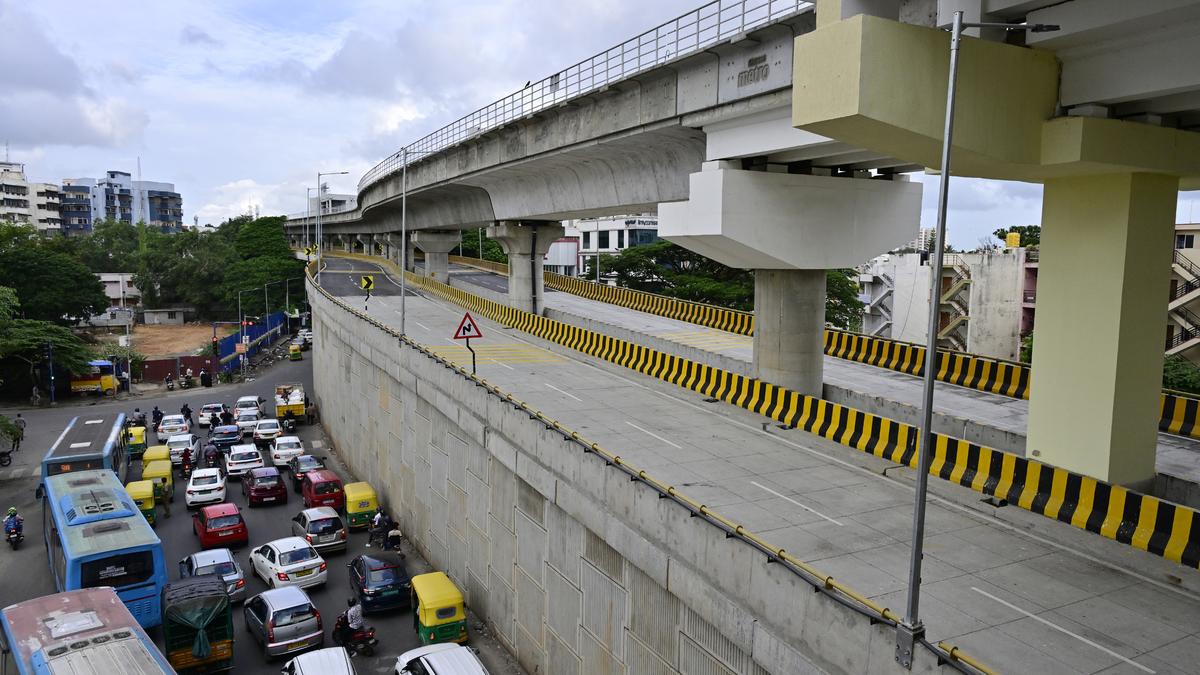
Bengaluru’s major infrastructure projects are set to receive exemptions from certain requirements under the amended Bengaluru Metropolitan Land Transport Authority Act, raising questions about how the city will balance faster project execution with integrated transport planning. The legislative change could affect how large developments are assessed for their wider impact on metropolitan mobility.
The amendment to the BMLTA Act changes the framework governing how major infrastructure proposals are reviewed by the Bengaluru Metropolitan Land Transport Authority. Projects classified under specified categories will not face the same level of scrutiny under the authority’s transport-planning framework. BMLTA was created to bring greater coordination to Bengaluru’s fragmented transport system. Its broader role is to consider how roads, public transport, land use and major developments interact across the metropolitan region rather than evaluating projects in isolation. That coordination becomes particularly important as Bengaluru continues to expand its metro network, roads, flyovers and other large infrastructure. A project may improve capacity at one location while increasing traffic or development pressure elsewhere. Integrated assessment is intended to identify such effects before construction begins. The amendment could therefore have implications for Bengaluru infrastructure planning. Faster approvals can help address long-standing capacity constraints and reduce delays in delivering public assets. However, exemptions from broader transport review can also make it harder to assess cumulative impacts when multiple large projects are developed simultaneously. The issue is particularly relevant to land use. Major transport infrastructure can change property values, encourage new commercial development and influence where housing expands. Without coordination between transport and land-use planning, new infrastructure can unintentionally encourage longer commutes or development in areas where public services are less prepared.
There is also a climate-resilience dimension. Large projects can affect stormwater flows, tree cover, groundwater recharge and local heat conditions. Transport infrastructure that is assessed primarily for vehicle movement may overlook these wider urban impacts unless environmental and land-use considerations remain part of the planning process. For citizens, the practical question is whether the amendment improves project delivery without weakening accountability. Large public investments involve significant financial commitments, and their value ultimately depends on whether they improve accessibility, reduce travel time and support more efficient urban growth. A stronger metropolitan planning framework would not necessarily prevent large projects from moving forward. Instead, it could help identify design changes that improve their performance across multiple objectives, including public transport access, pedestrian safety, environmental resilience and integration with surrounding neighbourhoods.The future of Bengaluru infrastructure will depend increasingly on how these competing priorities are reconciled. The city needs faster delivery, but speed alone cannot determine whether an infrastructure investment succeeds.
As Bengaluru expands beyond its traditional core, transport decisions made today will shape land development and commuting patterns for decades. Maintaining a clear view of these cumulative effects will be essential if the city’s next generation of infrastructure is to support more connected, efficient and resilient urban growth.