Bengaluru Vacant Plots Face Notices After Low Compliance
Bengaluru’s campaign to clean neglected vacant plots is moving towards enforcement, with civic authorities preparing notices for owners who have not complied with cleanup directions. The low response has raised a larger urban-management question: how can the city prevent privately owned empty land from becoming dumping grounds while ensuring that waste removed from these sites is handled through a reliable municipal system?
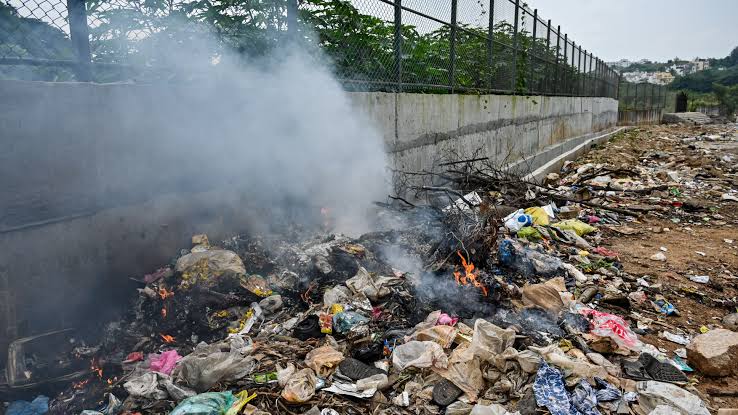
The Bengaluru vacant plots campaign is part of the wider ‘Freedom from Waste’ exercise being implemented across the five city corporations under the Greater Bengaluru Authority. Owners had been directed to clear garbage, construction debris, overgrown vegetation and other waste from their properties. Recent civic reviews indicate that a large majority have yet to comply. The administration has indicated that notices will be issued to non-compliant owners, followed by civic intervention where necessary. Cleaning expenses can be recovered through property-tax bills, making maintenance of unused land a direct financial responsibility for property holders rather than an indefinite civic burden. The issue is significant because vacant land can quickly become part of Bengaluru’s informal waste network. Construction debris and household refuse are often dumped in sites that lack regular supervision, while weeds and accumulated material can obstruct drainage and worsen neighbourhood conditions during the monsoon. But cleaning the Bengaluru vacant plots is only one side of the problem. If illegal dumping continues, newly cleared sites could become waste collection points again. Enforcement therefore needs to target both negligent property maintenance and the movement of waste into unauthorised locations. The scale of Bengaluru’s construction-waste problem illustrates the challenge.
More than 1 lakh tonnes of construction and demolition waste had been identified at thousands of locations under the city’s wider cleanup campaign, with a substantial quantity already removed. This places pressure on the city’s waste infrastructure. Removing debris from vacant land has limited value if adequate collection, transport and authorised processing capacity are unavailable.Construction and demolition material can be recycled or reused as aggregate in appropriate facilities, reducing the need for fresh material and limiting pressure on landfill capacity. There is also a real-estate implication. Empty plots are part of Bengaluru’s land market, whether they are awaiting construction, investment or redevelopment. Their condition affects neighbouring properties and public spaces through dust, waste, pests and blocked drainage. Basic maintenance can therefore protect surrounding communities as well as the value of private land. The Bengaluru vacant plots drive also provides an opportunity to improve civic monitoring. Geo-tagged records, transparent notices and citizen reporting can help authorities identify repeat problem sites and track whether cleaned properties remain compliant. The immediate priority is enforcement, but the longer-term goal should be prevention.
Clear property-owner obligations, dependable waste-disposal systems and action against illegal dumping can prevent vacant land from repeatedly becoming a civic liability. For Bengaluru, the success of this campaign will not be measured by how many plots are cleaned once. It will be measured by whether those plots stay clean, whether waste reaches authorised facilities and whether residents see a lasting improvement in their neighbourhood environment.