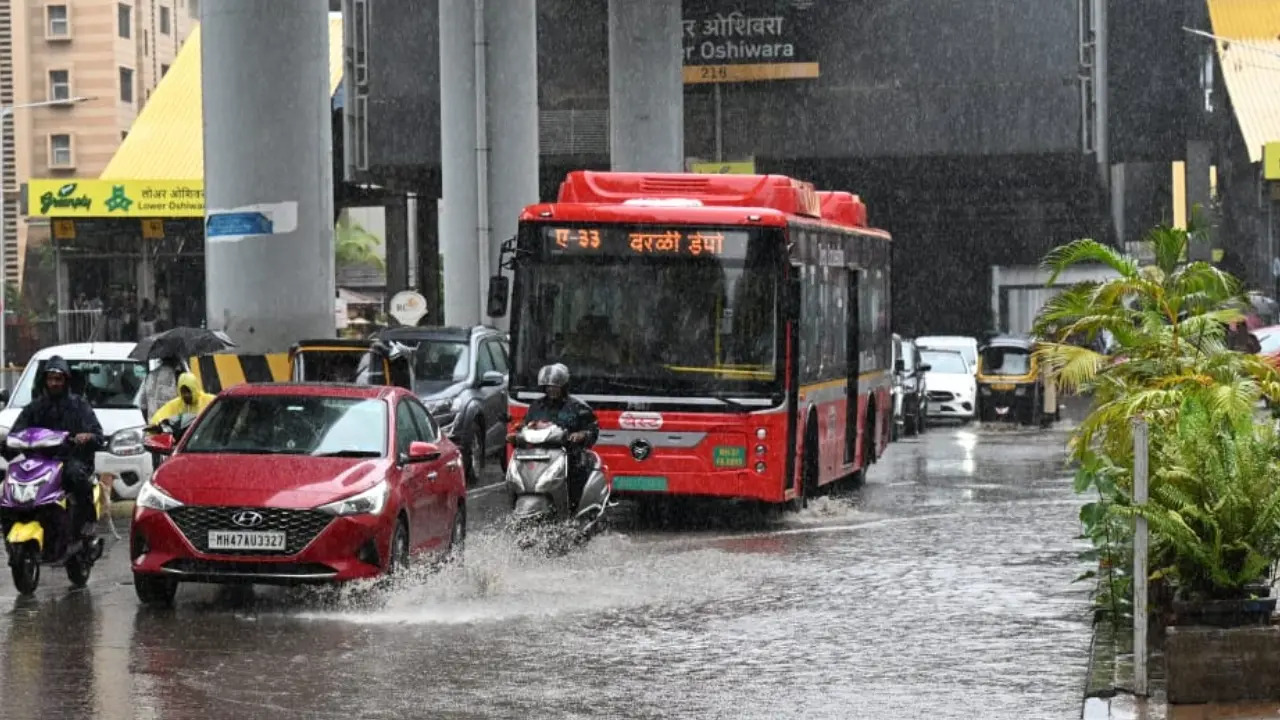
Mumbai is set for another wet day on Friday, with the India Meteorological Department forecasting moderate rainfall and persistent cloud cover across the city and suburbs. Thane remains under a yellow warning for isolated heavy showers. The forecast comes as the wider Mumbai Metropolitan Region continues to manage the transport, drainage and infrastructure pressures that accompany sustained monsoon activity. The latest Mumbai weather forecast points to moderate rain rather than an extreme rainfall event across the city. However, rainfall intensity can vary sharply between neighbourhoods, making localised flooding and traffic disruption a continuing concern during the monsoon. Rainfall recorded over the preceding 24 hours highlighted that uneven pattern. The Eastern Suburbs received an average of 23.19 mm, according to the information provided in the latest weather update. Such differences matter for a city where drainage capacity, road conditions and flood exposure vary considerably between areas.
The yellow warning for Thane adds another layer of risk for the region’s daily transport system. Thousands of people travel between Mumbai, Thane and adjoining urban centres for work, education and commerce. Even short periods of heavy rain can slow road traffic and affect last-mile connections, particularly around low-lying stretches and busy junctions. For Mumbai, the Mumbai weather forecast also has implications beyond commuting. Heavy monsoon spells test storm-water drainage, pumping infrastructure, roads and pedestrian facilities. They can expose weaknesses in construction standards and maintenance, especially where rapid development has increased pressure on already constrained urban systems.
Urban planners increasingly view rainfall management as a citywide resilience issue rather than simply a seasonal response. Protecting natural drainage channels, maintaining open spaces and improving water-retention capacity can help reduce the pressure placed on conventional drainage networks. Better coordination between transport agencies and civic authorities is equally important when weather conditions deteriorate. The current forecast also comes against a backdrop of relatively strong water availability in Mumbai’s reservoirs. The city’s seven lakes had reached more than 90 per cent of their combined live storage capacity by August 14, providing a stronger buffer for the remainder of the water year.
For residents, the immediate priority remains practical: allow additional travel time, monitor local rainfall conditions and avoid waterlogged routes where possible. For the city, each monsoon spell offers another test of whether infrastructure investment is keeping pace with changing rainfall patterns and the demands of a densely built metropolitan region.