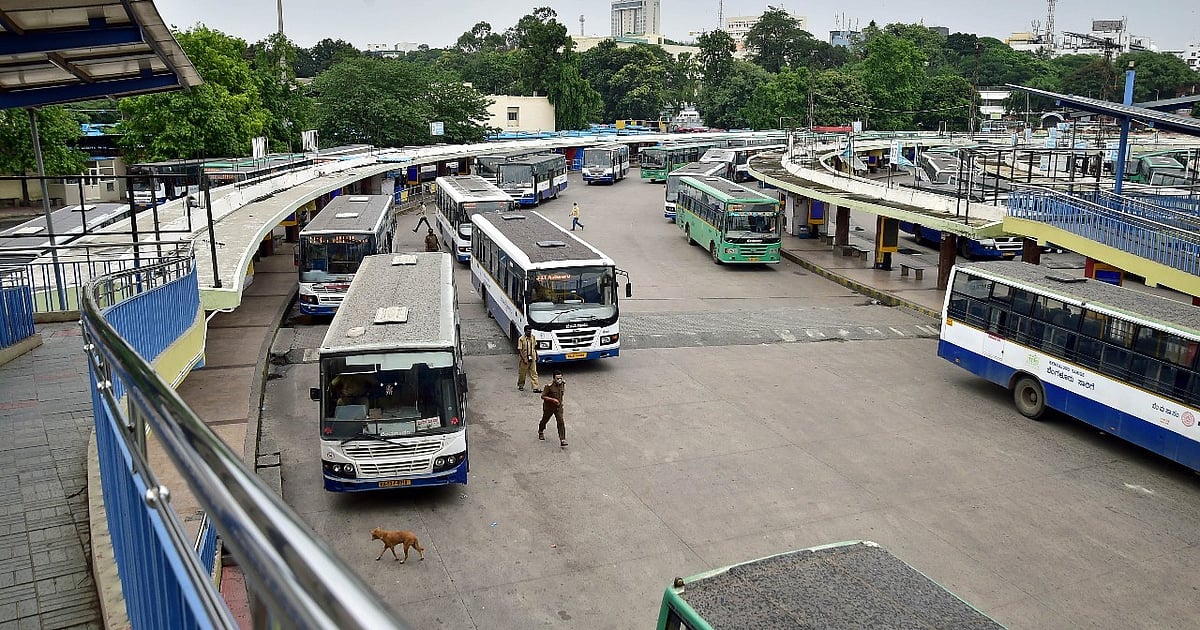
Bengaluru Electric Bus Services Face Depot Disruption
Bengaluru’s electric air-conditioned bus services faced disruption after drivers staged a protest at a depot, affecting operations on some routes. The incident highlights the dependence of the city’s clean-mobility transition on stable frontline operations, while raising broader questions about workforce management as Bengaluru expands its reliance on electric public transport.
The disruption was linked to a protest by drivers at a depot operating electric AC buses. Services on affected routes were interrupted as vehicles could not be deployed as scheduled, leaving some commuters facing delays and reduced availability. For Bengaluru, even a localised disruption can have a wider effect because buses remain an essential component of the city’s public transport network. Metro services do not cover every neighbourhood, while buses provide connections to workplaces, residential areas, markets and transit stations. Electric buses have become an increasingly important part of Bengaluru’s efforts to modernise public transport and reduce dependence on fossil-fuel-powered vehicles. Their environmental benefits, however, depend on reliable daily operations. A bus that remains in a depot because of operational or workforce issues provides no mobility benefit, regardless of its technology. The episode therefore brings workforce conditions into the sustainability conversation. Drivers, technicians, charging staff and other employees are essential to the functioning of an electric fleet. Transitioning from conventional buses to electric vehicles changes equipment, maintenance and operating requirements, but does not reduce the importance of people. Service reliability is particularly important for passengers who depend on buses for daily commuting.
Workers travelling to industrial areas, students and passengers connecting to metro stations may have limited alternatives when scheduled services are withdrawn.There is also an economic cost to disrupted bus services. Longer waiting times can lead to missed work hours and additional spending on autos, taxis or other modes. For lower-income households, even a single disrupted journey can impose a disproportionate financial burden. The incident highlights the need for stronger contingency planning as Bengaluru’s electric fleet expands. Operators need mechanisms that allow affected routes to be covered by spare vehicles or alternate crews where possible, while workplace disputes should be addressed before they escalate into service disruptions. Electric-bus deployment also requires investment beyond vehicles. Charging infrastructure, depot capacity, maintenance systems, driver training and workforce planning all determine whether the fleet can deliver consistent service. From an environmental perspective, reliability matters because public transport needs to be convenient enough to compete with private vehicles. If passengers cannot depend on scheduled buses, some may shift to cars or two-wheelers, potentially increasing congestion and emissions.
Bengaluru’s clean-mobility transition should therefore be measured not only by the number of electric buses introduced but also by their availability, punctuality and passenger experience. Resolving workforce concerns quickly and maintaining clear operational arrangements will be important as the city expands electric public transport. The long-term success of Bengaluru’s transition will depend on combining cleaner technology with dependable services and a stable workforce.