


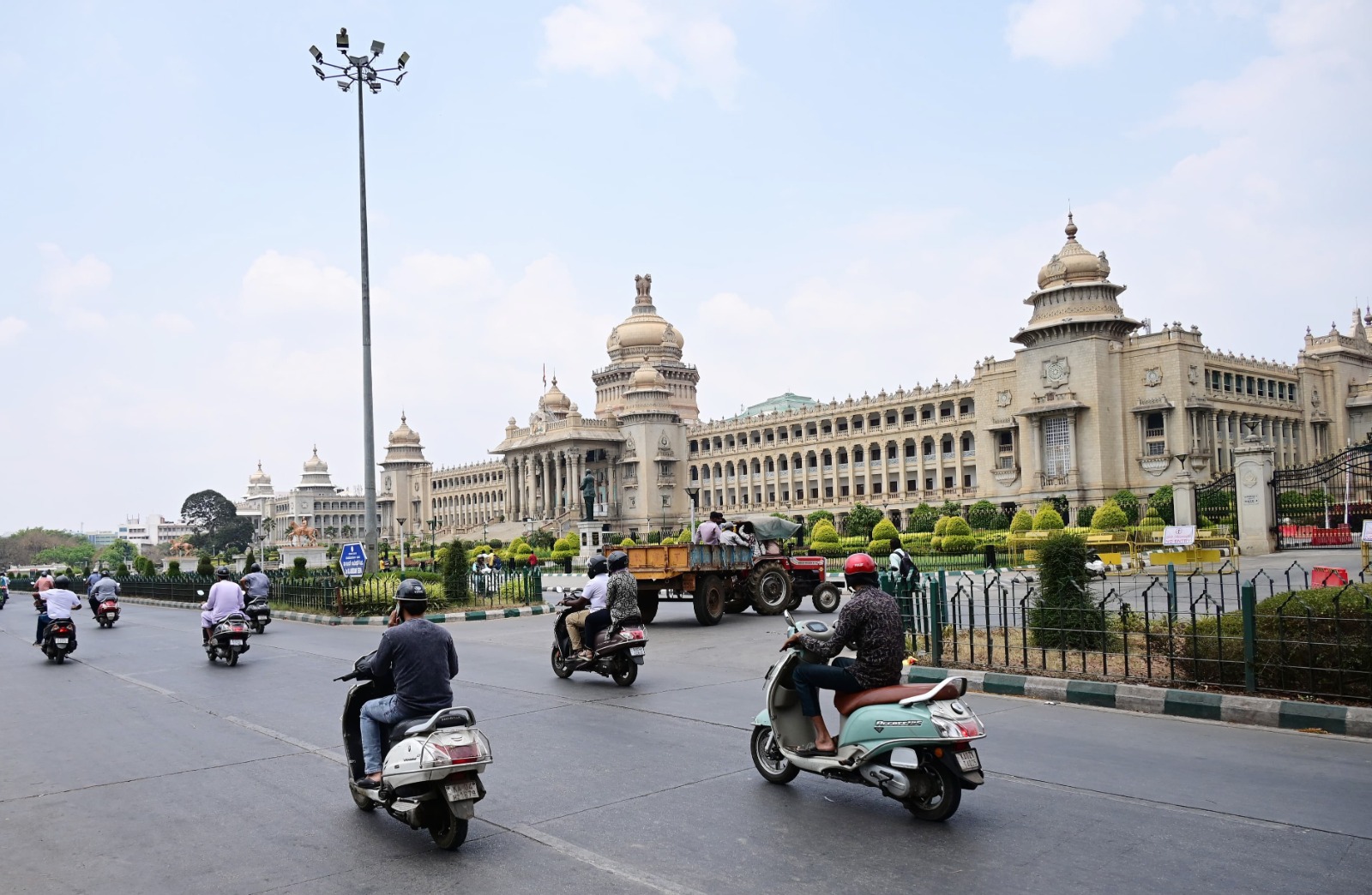
The Karnataka government is preparing to unveil a new set of city-focused welfare measures aimed at addressing urban service gaps, rising living costs, and uneven access to civic infrastructure across major municipalities. The proposed framework, expected to prioritise localised governance solutions, reflects a growing recognition that urban challenges differ significantly between metropolitan centres, tier-two cities, and rapidly expanding suburban regions.
Officials familiar with the development indicated that the initiative seeks to move beyond uniform welfare delivery models by designing interventions aligned with each city’s demographic, economic, and infrastructure conditions. The announcement is expected to hold particular significance for Bengaluru, where rapid population growth and expanding economic activity have intensified pressure on housing, transport systems, water supply, and public services.Urban policy analysts say the move could represent an important shift in how Indian states approach welfare governance in increasingly complex urban environments.Unlike rural-focused schemes that often follow standardised frameworks, city administrations face varying demands shaped by migration, employment patterns, land use pressures, and climate vulnerability. Tailored policy interventions may therefore become more necessary as urban populations continue to grow.While details remain limited, government sources suggest the proposed measures may focus on affordability, mobility access, women’s safety, digital governance, and support for informal workers. Experts believe such targeted programmes could help strengthen urban productivity if implemented alongside investments in transport, public healthcare, and basic infrastructure.
The initiative also emerges at a time when cities across Karnataka are undergoing accelerated physical expansion driven by technology industries, manufacturing growth, and real estate development. Economists note that urban centres are now central to the state’s economic output, making efficient civic administration increasingly important for sustaining investment and employment generation.However, urban development specialists caution that city-specific welfare planning must be supported by stronger municipal capacity and transparent financing structures.Many urban local bodies continue to struggle with limited revenue streams, fragmented planning systems, and delays in project execution. Without institutional reforms, experts warn that welfare announcements alone may have limited long-term impact.Questions are also likely to emerge around implementation equity between larger cities and smaller municipalities. Planners argue that while Bengaluru often receives policy attention due to its economic significance, secondary urban centres also require investment in public transport, sanitation, climate resilience, and affordable housing to avoid widening developmental disparities.The broader policy direction nevertheless signals a growing shift in governance thinking, where urban welfare is increasingly linked not only to social support but also to economic sustainability and liveability. As Indian cities confront mounting infrastructure stress and environmental pressures, localised planning models are being viewed as essential for balancing growth with inclusion.
The effectiveness of the proposed city-specific guarantees will ultimately depend on execution, funding continuity, and coordination between state agencies and municipal administrations. For residents, the key measure of success may lie in whether such initiatives translate into visible improvements in daily urban life rather than remaining limited to policy announcements.
Also Read:Bengaluru Hotels Raise Concerns Over Tax Pressures
Karnataka Urban Welfare Plans Target City Specific Needs
