


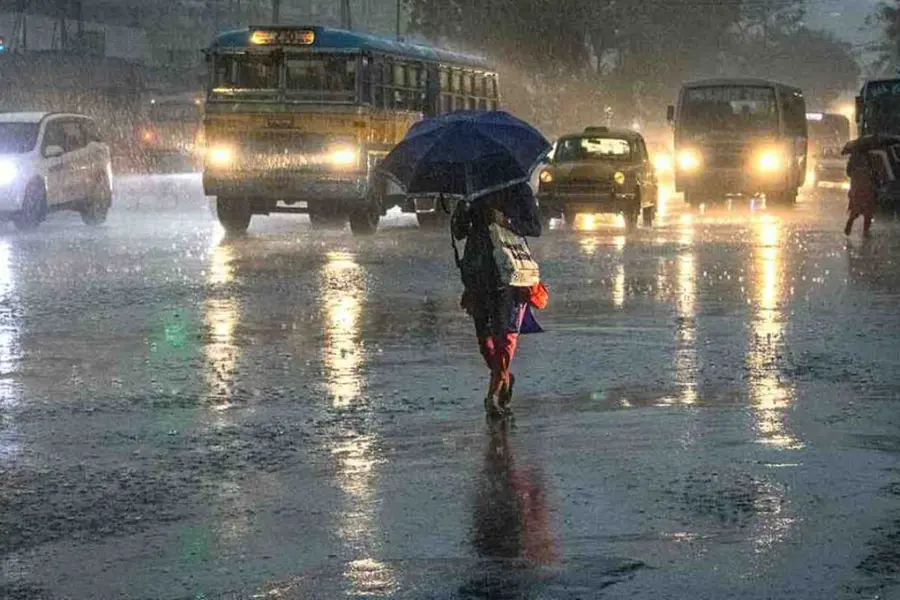
Kolkata is expected to witness a week of intermittent rain and thunderstorms, bringing temporary relief from rising temperatures while once again exposing the growing pressure climate volatility places on dense urban regions. Weather officials have forecast recurring pre-monsoon activity across the city and adjoining districts, with changing wind patterns and moisture inflow influencing conditions through the coming days.
The expected weather shift is significant for a city that has faced increasingly erratic seasonal cycles in recent years. Urban planners and environmental researchers say recurring thunderstorm events in eastern Indian metros are becoming more intense due to a combination of rising surface temperatures, rapid construction activity and declining natural drainage buffers.The latest Kolkata thunderstorms are likely to reduce daytime temperatures and improve short-term thermal comfort for residents after prolonged humid conditions. However, civic agencies remain alert over the possibility of waterlogging in low-lying neighbourhoods, traffic delays and pressure on ageing drainage infrastructure during peak rainfall periods.Meteorological experts note that pre-monsoon storm systems, locally associated with seasonal convective activity, play an important role in balancing heat conditions across eastern India. Yet their increasing unpredictability is raising concerns for cities already struggling with infrastructure stress and uneven climate preparedness.In Kolkata, recurring rainfall events often disrupt mobility networks, especially in densely populated residential and commercial pockets where stormwater evacuation remains inadequate. Transport corridors, informal settlements and roadside markets are among the most vulnerable areas during sudden downpours.
Urban development specialists argue that climate-responsive infrastructure planning must now move beyond reactive flood management towards integrated resilience systems.The current spell of Kolkata thunderstorms also arrives at a time when Indian cities are confronting the wider economic implications of extreme weather. Delayed commutes, interruptions to informal work sectors and increased strain on public services frequently translate into hidden productivity losses. Businesses dependent on uninterrupted logistics and workforce mobility are particularly sensitive to weather instability during the pre-monsoon season.Environmental experts believe the situation underlines the urgency of preserving wetlands, urban lakes and open green spaces that naturally absorb excess runoff and regulate local temperatures. Rapid concretisation across metropolitan regions has reduced permeable land surfaces, intensifying both urban heat and flooding risks.While the cooler conditions are expected to offer immediate relief for residents, specialists caution that isolated rainfall events alone cannot offset the broader trend of rising urban temperatures linked to climate change. Instead, cities like Kolkata may need long-term investments in climate-adaptive transport systems, upgraded drainage networks, heat-resilient housing and decentralised emergency response infrastructure.
For citizens, the immediate concern remains daily mobility and safety during storm hours. Authorities are expected to monitor vulnerable locations and maintain readiness for traffic diversions and emergency response measures if rainfall intensifies.As Kolkata enters another volatile weather cycle, the week ahead reflects a larger urban reality facing Indian metros balancing rapid growth with the urgent need for climate-resilient infrastructure capable of protecting both livelihoods and liveability.
Read More : NCR Emerging Corridors Redefine Urban Growth Patterns
Kolkata Thunderstorms Bring Relief From Rising Heat
