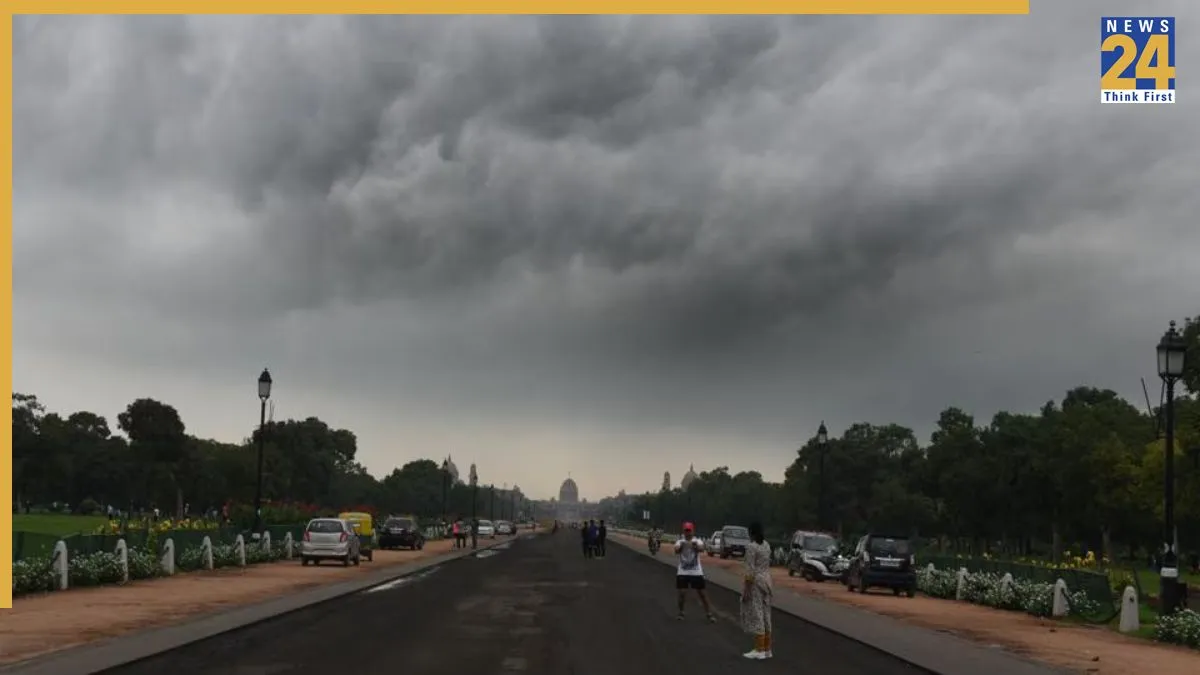
Meerut Braces for Rain Relief After Early Heat Surge. A sharp rise in daytime heat across Meerut on Saturday has renewed concerns around urban heat exposure, even as meteorological agencies forecast rainfall between 12 and 14 May that could temporarily ease conditions across western Uttar Pradesh and parts of the National Capital Region. The expected weather shift carries implications not only for public health and mobility, but also for local agriculture and urban resilience planning.
Clear skies and strong sunshine from the morning hours pushed outdoor temperatures higher across the city, reducing pedestrian movement in several commercial areas by late morning. While intermittent winds offered limited relief, the overall rise in humidity and surface heat highlighted the increasing vulnerability of rapidly growing urban centres to erratic seasonal patterns. According to weather officials, the current conditions are linked to a changing western disturbance system expected to influence north Indian weather over the coming days. Forecast models indicate light to moderate rainfall activity across Meerut and adjoining districts, potentially bringing down daytime temperatures after a prolonged spell of dry heat. The Meerut weather forecast has become particularly significant this year as fluctuating pre-monsoon conditions continue to affect urban infrastructure, energy consumption and public health preparedness. Maximum temperatures in the city are currently hovering around 34 degrees Celsius, while minimum temperatures remain elevated near 26 degrees Celsius, increasing discomfort during both day and night hours.
Meteorological observations from the wider NCR region suggest that intermittent rain events earlier this season helped delay extreme temperature spikes. Several parts of the region recently experienced short-duration showers and hail activity, resulting in a noticeable reduction in surface heat. Climate analysts note that such fragmented weather patterns are becoming increasingly common due to shifting atmospheric behaviour linked to broader climate variability. Urban planners and environmental experts argue that the recurring cycle of intense heat followed by sudden rainfall underscores the need for climate-responsive city planning. Dense construction, declining green cover and heat-retaining road infrastructure continue to intensify localised warming across expanding tier-two cities such as Meerut. Experts say the impact is often most severe for outdoor workers, commuters and low-income residents with limited access to cooling infrastructure.
The agriculture sector may, however, benefit from the anticipated rainfall window. Early summer showers can help stabilise moisture levels in standing crops and reduce irrigation dependency in nearby rural belts. Agricultural observers caution that uneven rainfall distribution remains a risk, especially as weather systems become less predictable. Health authorities have meanwhile advised residents to minimise direct sun exposure during afternoon hours, stay hydrated and use protective coverings while outdoors. Public health specialists warn that rising heat stress incidents are increasingly becoming an urban governance challenge during extended summer periods. With additional cloud activity and scattered rain expected next week, the coming days may provide temporary respite. Yet the recurring swings between heatwaves and sudden rain events continue to raise larger questions around how fast-growing cities prepare for a climate-uncertain future.