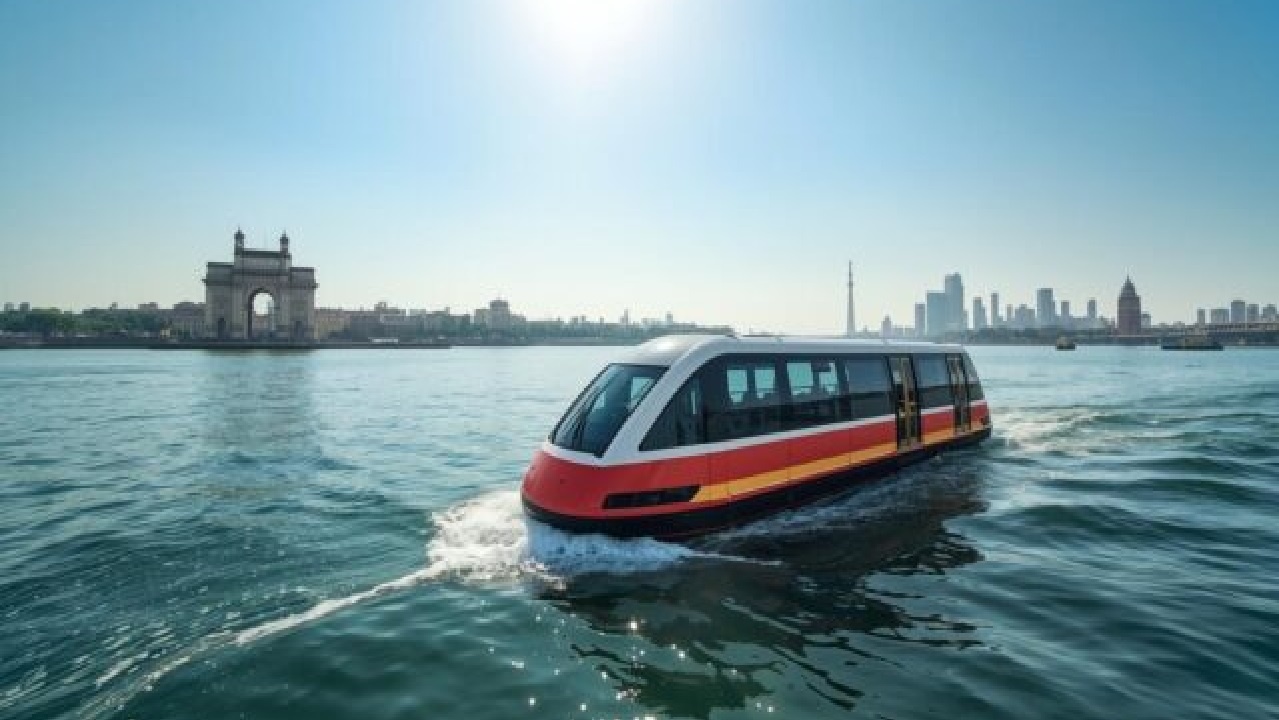
Mumbai’s long-discussed transition towards large-scale urban water transport moved closer to execution this week after Maharashtra’s maritime authorities entered into a strategic partnership with a Norwegian marine technology firm for the proposed Mumbai Water Metro network. The development signals a major shift in how the Mumbai Metropolitan Region (MMR) plans to address mounting pressure on roads and suburban rail systems while exploring lower-emission mobility infrastructure. The agreement, signed between the Maharashtra Maritime Board and a Scandinavian maritime technology company, is expected to support vessel technology, operational planning and future shipbuilding collaboration linked to the Mumbai Water Metro project. The proposed network is designed to connect coastal communities, business districts and emerging urban nodes through integrated ferry and water transit routes across the region.
Government officials said the wider plan envisions a 340-km water-based transit ecosystem across Mumbai and neighbouring urban centres. The Detailed Project Report prepared for the initiative proposes upgrades to dozens of existing passenger terminals while introducing new jetties and routes across creeks and coastal corridors that currently remain underutilised for daily mobility. The first phase is expected to prioritise high-density travel corridors connecting south Mumbai, Navi Mumbai, western suburbs and fast-growing peripheral zones including Kalyan-Dombivli and Mira-Bhayander. Urban planners tracking the project said the proposed routes could improve regional accessibility while reducing dependence on private vehicles for intercity travel. The Mumbai Water Metro initiative arrives at a time when transport agencies across Indian cities are under pressure to reduce congestion-linked emissions and diversify transit infrastructure beyond roads. Mumbai’s suburban rail network continues to operate under heavy passenger loads, while arterial road corridors remain vulnerable to severe peak-hour delays and monsoon disruptions. Transport experts believe water-based mobility could offer a complementary transit layer if supported by reliable last-mile connectivity, integrated ticketing and predictable scheduling.
Officials involved in the project have already initiated discussions around a unified digital ticketing system aimed at allowing passengers to access ferries, water taxis and future metro-linked services through a single platform. The project is also expected to influence Maharashtra’s maritime economy. State authorities are examining the possibility of developing local shipbuilding infrastructure to manufacture electric and hybrid passenger vessels required for the network. Industry observers note that domestic vessel production could create new employment opportunities while strengthening India’s green marine mobility ecosystem. However, experts caution that long-term success will depend on affordability, commuter adoption and ecological safeguards. Coastal infrastructure expansion in sensitive creek systems and mangrove regions will require careful environmental assessment to ensure marine biodiversity and tidal ecosystems are not adversely affected.
Urban policy specialists say the Mumbai Water Metro could become a significant test case for climate-responsive transport planning in India if execution balances commuter efficiency with ecological resilience. As the project moves from planning to implementation, attention will increasingly shift towards integration, environmental governance and equitable access across the wider metropolitan region.