Mumbai Water Transport Push Targets Digital Ticketing
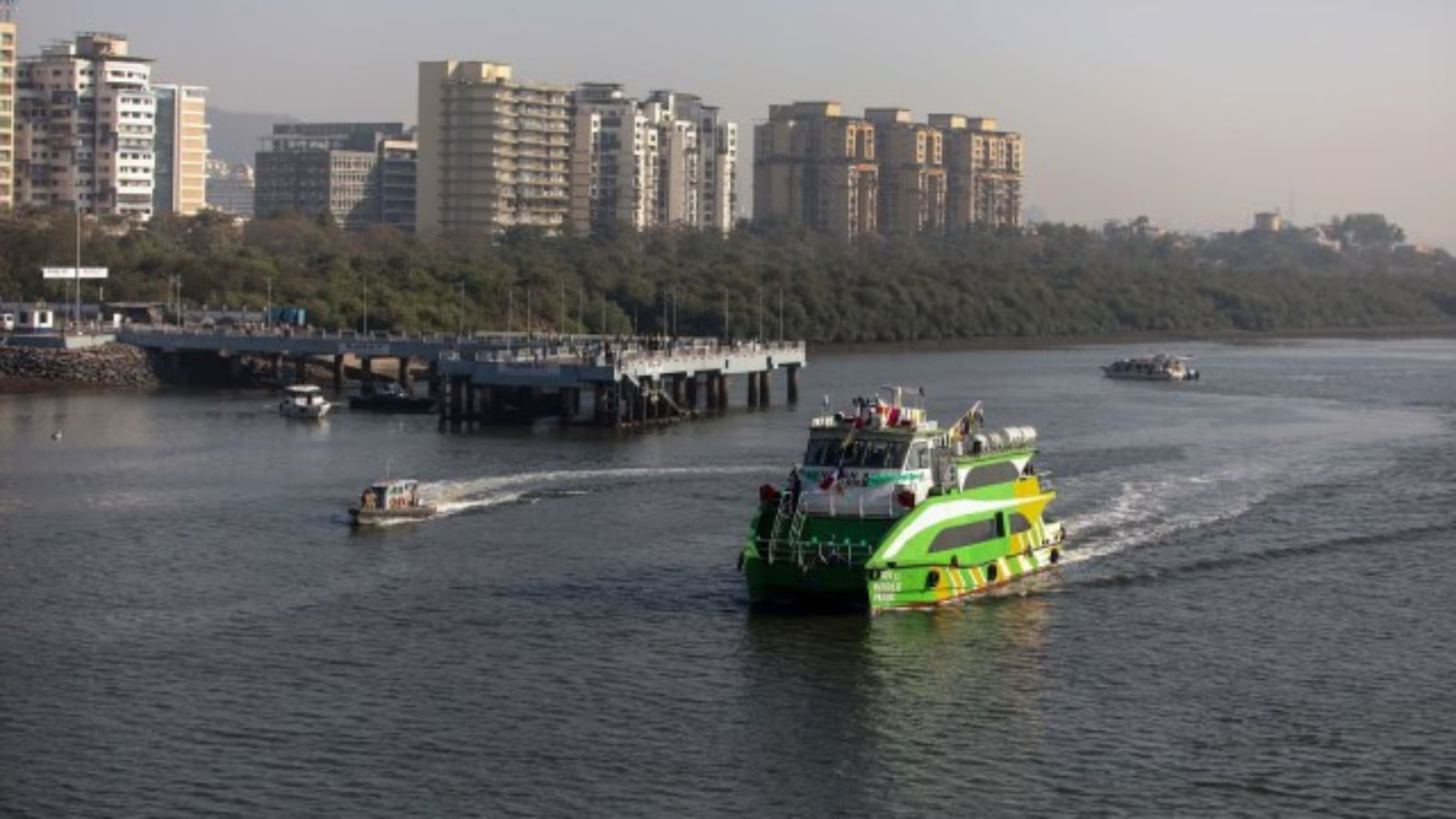
Maharashtra’s push to expand water-based public transport across the Mumbai Metropolitan Region is now moving towards a digitally integrated commuter system, with authorities directing an accelerated rollout of online ticketing for ferry and water transit services. The move is expected to support the region’s long-term strategy of reducing pressure on overcrowded roads and suburban rail corridors through greater use of coastal and inland waterways. At a recent infrastructure review meeting in Mumbai, state transport and maritime officials discussed the implementation of a unified digital platform intended to streamline ticket booking for passenger water transport services operating across the metropolitan region. The proposed system is aimed at improving commuter convenience, operational transparency and service efficiency as authorities prepare for the expansion of Mumbai’s emerging water transit network.
The Mumbai water transport system has increasingly become part of broader conversations around sustainable urban mobility. Transport planners argue that coastal cities such as Mumbai possess underutilised waterways that can supplement conventional rail and road infrastructure while reducing congestion, emissions and travel delays in densely populated urban corridors. Officials associated with the project indicated that the online platform would allow passengers to access ferry and water-based transit services more efficiently through digital booking systems. Authorities are also planning training programmes for operational staff and transport agencies to support implementation and reduce service disruptions during the transition phase. Urban mobility experts note that digital integration is essential if water transport is to function as a viable component of Mumbai’s wider public transport ecosystem. Fragmented ticketing systems and limited passenger information have historically slowed adoption of ferry-based commuting despite the city’s extensive coastline and creek networks.
The Mumbai water transport initiative is being developed alongside larger plans for water metro and water taxi corridors intended to connect key parts of the Mumbai Metropolitan Region. Proposed routes are expected to complement existing metro, road and suburban rail systems while offering alternative travel options in congestion-prone zones. Infrastructure analysts say integrated digital ticketing can also improve transport planning by generating real-time commuter data, enabling authorities to assess passenger demand, optimise schedules and identify under-served urban corridors. Such systems have increasingly become standard in multimodal transit networks globally, particularly in cities seeking to improve last-mile connectivity and commuter accessibility. The emphasis on digitalisation also reflects a broader shift in urban governance towards technology-enabled civic services. Authorities are simultaneously exploring ways to improve passenger awareness and public participation through outreach campaigns designed to familiarise commuters with water-based mobility options. However, transport observers caution that the success of Mumbai water transport will depend on more than ticketing systems alone. Terminal accessibility, affordable pricing, weather resilience and seamless integration with land-based transport networks will be critical in determining long-term commuter adoption.
As Mumbai continues to confront rising vehicle density and mounting infrastructure pressure, policymakers increasingly view water mobility as part of a diversified and climate-responsive transport strategy. The planned digital ticketing rollout signals an attempt to modernise not only how citizens travel, but also how urban transport systems are coordinated in one of India’s most densely populated metropolitan regions.