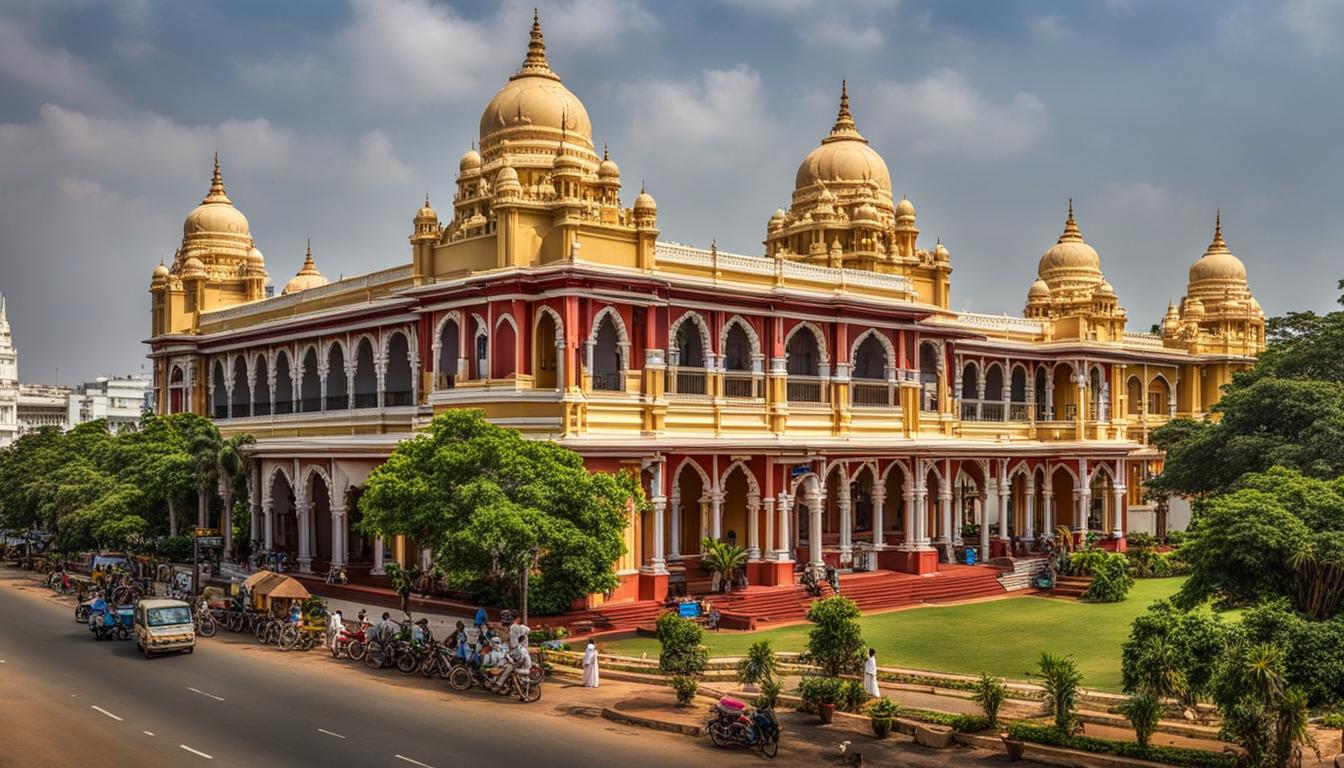
Chennai is preparing to expand its urban tourism footprint through a network of curated heritage walks and guided transit tours designed around the city’s colonial-era districts, transport landmarks and historic neighbourhoods, signalling a wider shift toward experience-led and culture-based urban development.
The initiative, led by tourism authorities in partnership with civic transport agencies, heritage researchers and local cultural groups, is expected to activate some of the city’s oldest public spaces while drawing attention to neglected built heritage across North and Central Chennai. The proposed circuits will cover historic corridors such as George Town, Royapuram, Mylapore, Egmore and Santhome areas that continue to face mounting pressure from congestion, unregulated commercialisation and ageing infrastructure. Urban planners say the move reflects a growing recognition among Indian cities that heritage assets can serve as economic and civic infrastructure rather than merely archival monuments. By integrating walking tours, storytelling sessions and photography-led explorations with public bus transport, Chennai’s heritage walks could encourage low-carbon tourism models that reduce dependence on private vehicles while improving public engagement with the city’s historic core.
Officials associated with the programme indicated that heritage-themed bus circuits and pedestrian tours are being designed around landmarks including Fort St George, the Armenian Church, Royapuram railway station, Ripon Building and Santhome Basilica. Some tours are also expected to incorporate the Marina waterfront and older commercial stretches along Anna Salai, highlighting Indo-Saracenic and art deco architecture that often remains overlooked amid rapid urban expansion. The renewed focus on Chennai heritage walks comes at a time when several Indian cities are attempting to monetise cultural infrastructure without triggering large-scale redevelopment or displacement. Heritage experts note that neighbourhood-based tourism can create employment opportunities for local guides, small vendors, artists and community enterprises, particularly in older districts where conventional real estate investment remains uneven.
Photography-led street tours planned across Triplicane, Mylapore and the Senate House precinct are also expected to attract younger residents and domestic travellers seeking experiential tourism formats. Urban researchers say such programmes can help build public awareness around conservation needs while strengthening citizen participation in preserving public architecture, waterfront zones and historic mobility networks. However, conservationists caution that heritage tourism must be accompanied by stronger urban management measures. Several of Chennai’s heritage structures continue to face issues linked to encroachment, poor pedestrian access, visual clutter and inadequate maintenance. Without sustained investment in walkability, drainage, waste management and adaptive reuse policies, experts warn that tourism-led visibility alone may not guarantee long-term preservation outcomes.
The expansion of Chennai heritage walks also intersects with broader debates around inclusive urban planning. Public historians argue that future editions of these tours should move beyond colonial narratives to include labour histories, fishing settlements, railway communities and indigenous cultural traditions that shaped the city’s growth over centuries. As Chennai positions heritage tourism within its urban economy strategy, the effectiveness of the initiative may ultimately depend on whether cultural preservation is integrated with sustainable mobility, public infrastructure upgrades and citizen-first planning rather than remaining limited to seasonal tourism programming.