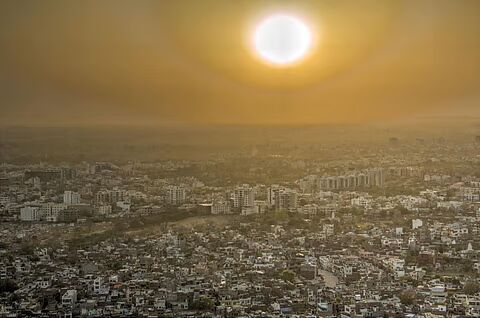
A forecast of widespread rainfall across Telangana is expected to bring a temporary drop in temperatures, offering relief to Hyderabad and surrounding districts after weeks of extreme heat. The shift, driven by evolving weather systems, could lower daytime temperatures by up to 5°C over the coming days, marking a significant pause in the ongoing heatwave that has strained urban infrastructure and public health systems.
According to meteorological assessments, thunderstorms accompanied by lightning and gusty winds are likely across multiple districts, including Hyderabad. The cooling effect is expected to keep maximum temperatures below 39°C for several days, compared to recent highs exceeding 42°C in the city and over 45°C in parts of the state. This weather shift comes after a prolonged period of intense heat that pushed electricity demand, water consumption, and health risks to critical levels. Urban centres such as Hyderabad have seen rising energy use due to cooling needs, exposing the vulnerability of city systems to climate extremes. The expected rainfall may ease immediate pressure, but experts caution that such fluctuations reflect deeper climate variability rather than a stable seasonal transition.Meteorologists attribute the incoming rain to a trough system influencing weather patterns across central and southern India. Official forecasts indicate light to moderate rainfall activity persisting for several days, with thunderstorms and wind speeds reaching 30–40 kmph in some areas.
For cities, the implications extend beyond temperature relief. Sudden pre-monsoon rainfall can disrupt traffic flows, strain drainage systems, and expose gaps in urban flood preparedness. Hyderabad, like many fast-growing cities, faces recurring challenges in managing short bursts of intense rainfall due to uneven infrastructure upgrades and rapid land-use changes.Urban planners note that such weather events highlight the need for climate-responsive infrastructure — including improved stormwater drainage, heat-resilient building design, and better early warning systems. While rainfall offers short-term respite, it does little to address longer-term concerns such as groundwater depletion and uneven water distribution, both of which have been exacerbated by erratic weather cycles.The agricultural hinterland around Hyderabad is also on alert, as unseasonal rains combined with strong winds can damage standing crops and harvested produce. This creates a ripple effect on urban food supply chains and market prices, reinforcing how closely city economies are tied to regional climate patterns.
As Telangana transitions into the pre-monsoon phase, the current rainfall episode underscores a broader trend: cities must adapt to increasingly unpredictable weather. For Hyderabad, balancing rapid urban growth with climate resilience will be central to managing both heat stress and sudden rainfall events in the years ahead.