Mumbai Waterfront Marina Plan Moves Towards Execution
Mumbai’s long-delayed waterfront marina development at Victoria Dock is moving closer to execution, with construction activity expected to begin after the monsoon season if environmental approvals are secured in the coming weeks. The proposed project marks one of the city’s most ambitious attempts to reposition parts of its historic port infrastructure towards tourism, recreation and maritime services. Officials associated with the planning process indicated that the Mumbai marina project is currently awaiting clearance from the State Level Environment Impact Assessment Authority following additional reviews linked to built-up area provisions and environmental management systems. Bid assessments for the development are also underway, signalling a transition from proposal stage to implementation planning.
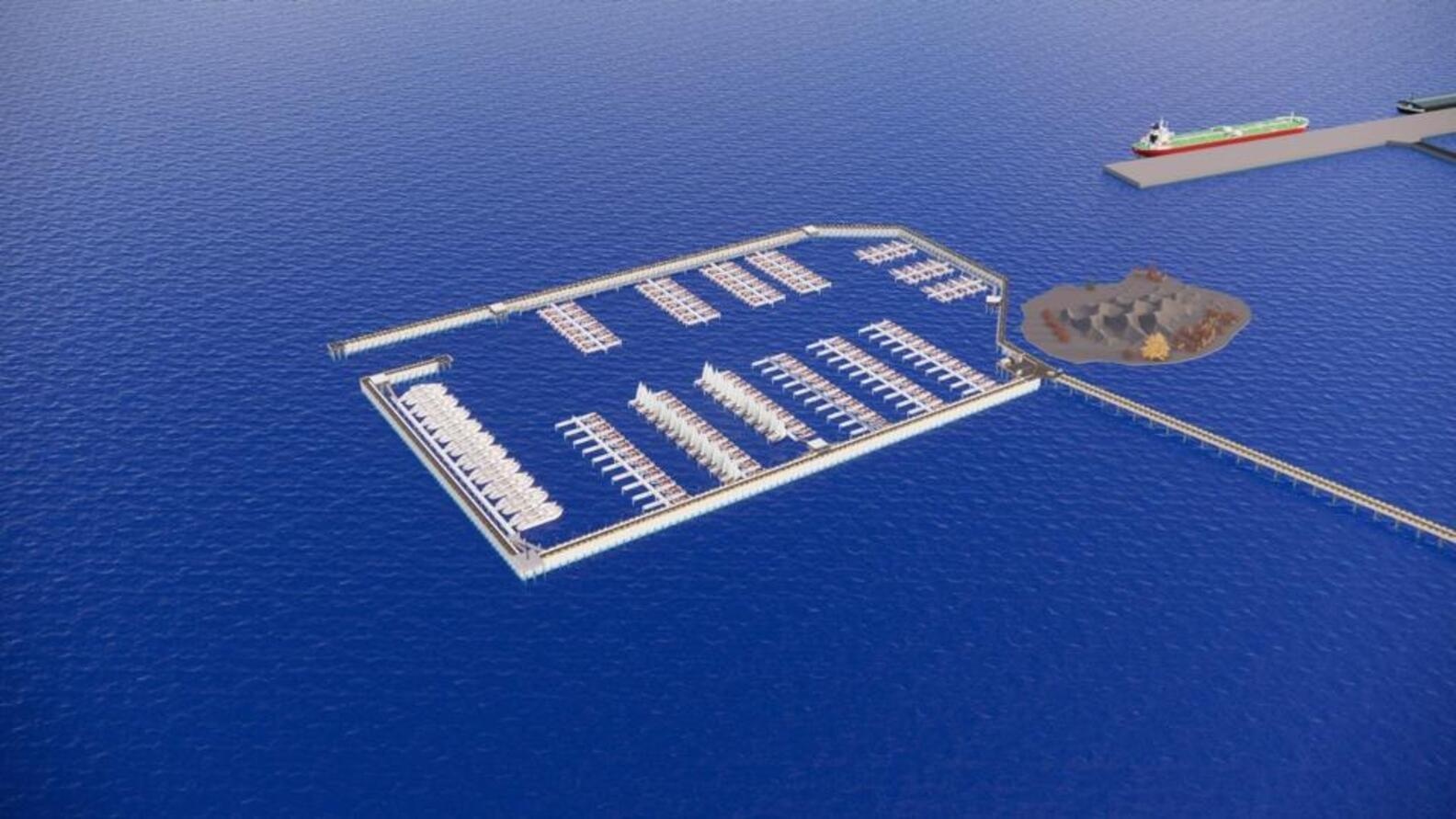
Planned across a large section of Mumbai Harbour near Victoria Dock, the project combines marine infrastructure with commercial, hospitality and recreational facilities. Authorities envision the development as a gateway for yacht tourism, sailing activities and waterfront-based economic activity in the Mumbai Metropolitan Region. The proposed Mumbai marina project includes berthing infrastructure capable of accommodating hundreds of yachts and recreational vessels alongside supporting amenities such as passenger terminals, repair facilities, hospitality spaces and marine training centres. Urban planners say the initiative reflects a broader trend among global coastal cities attempting to redevelop underutilised port areas into mixed-use waterfront districts. The onshore component is expected to include transport access systems, parking infrastructure and tourism-oriented facilities integrated with the harbourfront. Plans under discussion also include sailing education and marine sports infrastructure intended to support leisure and training activity along Mumbai’s eastern waterfront. Infrastructure economists note that maritime tourism remains relatively underdeveloped in Mumbai despite the city’s extensive coastline and strategic harbour location. Supporters of the project believe improved marine infrastructure could create new economic opportunities linked to hospitality, coastal mobility and recreational services.
However, urban environmental experts caution that large-scale waterfront redevelopment in ecologically sensitive coastal zones requires careful planning and long-term monitoring. Mumbai’s eastern waterfront remains vulnerable to flooding, tidal variations and climate-related risks, making environmental safeguards central to project execution. Marine planners also point to the importance of wastewater treatment, shoreline management and waste disposal systems within the proposed marina basin. Specialists say improper marine infrastructure management can place pressure on coastal ecosystems and water quality if environmental compliance mechanisms remain weak. The project site currently includes ageing cargo-related infrastructure and storage facilities dating back decades. Redevelopment plans involve clearing older industrial structures and repurposing parts of the dock area for public-facing maritime activity. Urban development analysts say this transition reflects a wider shift in Indian port cities where industrial waterfronts are increasingly being reconsidered for mixed urban uses. Yet experts argue that public access and equitable waterfront planning should remain priorities as redevelopment advances. Coastal projects in major cities have often faced criticism for privileging high-end commercial activity while limiting community accessibility to public waterfront spaces.
The final shape and long-term impact of the Mumbai marina project will likely depend on how effectively authorities balance tourism growth, environmental resilience and inclusive urban planning. As regulatory approvals move forward, the project is emerging as a key test case for the future transformation of Mumbai’s eastern harbour districts.